News / National
Moneybags vs old guard: Zanu-PF warns against 'buying' power
02 Feb 2026 at 04:58hrs |
649 Views
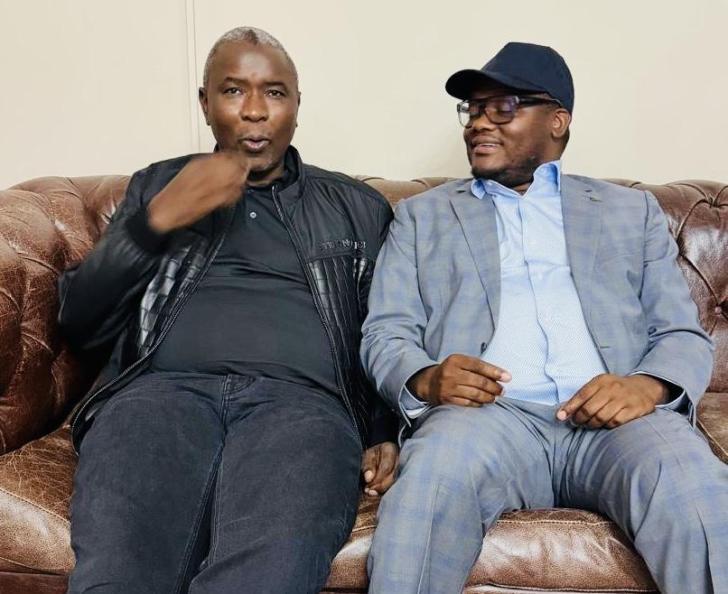
There is growing unease within Zanu-PF over the rising influence of wealthy business figures accused of attempting to buy their way into the ruling party's structures, a trend that senior officials warn is threatening internal cohesion.
Alarm bells were raised in Mashonaland West after reports emerged that some party members were allegedly accepting money in exchange for positions, as cash-rich individuals seek to capture key organs of the party.
The issue took centre stage at a provincial coordinating committee meeting held in Chinhoyi, where Zanu-PF provincial chairperson Mary Mliswa-Chikoka delivered a stinging rebuke to members she accused of auctioning party posts to so-called "moneybags".
Mliswa claimed that some officials had gone as far as approaching prominent businessmen, including Paul Tungwarara and Wicknell Chivayo, inviting them to assume positions within the province.
"Some members have approached people like Tungwarara; some approached Wicknell, asking them to come here to do what?" Mliswa said.
"Because people now want money. They want to sell positions in the party.
We don't want that… we don't want that as a party."
Her remarks were echoed by Politburo member and Justice Minister Ziyambi Ziyambi, who warned that Zanu-PF has clear constitutional procedures governing how party posts are filled.
"Positions are not for sale in the party," Ziyambi said.
"The commissariat has not spoken, the politburo has not spoken, yet positions are already being sold.
If this continues, we will recommend that the co-option process be stopped."
The warnings come as Zanu-PF in Mashonaland West prepares to fill the Makonde central committee seat left vacant by Mike Chimombe, who is currently serving a jail sentence for fraud linked to a controversial government goat scheme involving more than US$7 million.
The practice of co-opting wealthy benefactors into party structures is not new and has previously sparked debate within Zanu-PF.
Last year, businessman Kudakwashe Tagwirei was co-opted into the party's central committee following a recommendation from Harare province. The move came after Tagwirei donated cash and vehicles to the province and to central committee members.
Another businessman, Paul Tungwarara, was also recommended for co-option into the central committee by Manicaland province. Shortly afterwards, he embarked on a high-profile donation spree under the presidential empowerment fund, disbursing money and vehicles, including US$25 000 to various constituencies.
However, Tungwarara's activities were later curtailed after Zanu-PF stopped his rallies held under the empowerment initiative. This followed his unsubstantiated public attacks on other wealthy party members, whom he accused of plotting to seize President Emmerson Mnangagwa's position.
Party insiders said the attacks were widely seen as being directed at Tagwirei, who has been repeatedly linked to alleged presidential ambitions.
Chinhoyi-based political analyst Catherine Maboya said the unusually blunt public warnings from senior leaders reflected growing anxiety among the party's old guard.
"It is clear that some leaders are now running from their own shadows," Maboya said.
"They fear losing their positions and influence to emerging rich elites within the party.
"This internal fight is less about ideology and more about preserving power against those who can bankroll it."
Vice-President Constantino Chiwenga has also been vocal about the growing influence of wealthy businessmen in Zanu-PF. Last year, he referred to them as zvigananda — a Shona term for the suddenly and often ostentatiously rich — accusing them of growing "big tummies from unexplained wealth".
Some of the businessmen have been linked to alleged manoeuvres aimed at sidelining Chiwenga in the succession race to succeed Mnangagwa, deepening factional tensions within the ruling party.
Alarm bells were raised in Mashonaland West after reports emerged that some party members were allegedly accepting money in exchange for positions, as cash-rich individuals seek to capture key organs of the party.
The issue took centre stage at a provincial coordinating committee meeting held in Chinhoyi, where Zanu-PF provincial chairperson Mary Mliswa-Chikoka delivered a stinging rebuke to members she accused of auctioning party posts to so-called "moneybags".
Mliswa claimed that some officials had gone as far as approaching prominent businessmen, including Paul Tungwarara and Wicknell Chivayo, inviting them to assume positions within the province.
"Some members have approached people like Tungwarara; some approached Wicknell, asking them to come here to do what?" Mliswa said.
"Because people now want money. They want to sell positions in the party.
We don't want that… we don't want that as a party."
Her remarks were echoed by Politburo member and Justice Minister Ziyambi Ziyambi, who warned that Zanu-PF has clear constitutional procedures governing how party posts are filled.
"Positions are not for sale in the party," Ziyambi said.
"The commissariat has not spoken, the politburo has not spoken, yet positions are already being sold.
If this continues, we will recommend that the co-option process be stopped."
The warnings come as Zanu-PF in Mashonaland West prepares to fill the Makonde central committee seat left vacant by Mike Chimombe, who is currently serving a jail sentence for fraud linked to a controversial government goat scheme involving more than US$7 million.
The practice of co-opting wealthy benefactors into party structures is not new and has previously sparked debate within Zanu-PF.
Last year, businessman Kudakwashe Tagwirei was co-opted into the party's central committee following a recommendation from Harare province. The move came after Tagwirei donated cash and vehicles to the province and to central committee members.
Another businessman, Paul Tungwarara, was also recommended for co-option into the central committee by Manicaland province. Shortly afterwards, he embarked on a high-profile donation spree under the presidential empowerment fund, disbursing money and vehicles, including US$25 000 to various constituencies.
However, Tungwarara's activities were later curtailed after Zanu-PF stopped his rallies held under the empowerment initiative. This followed his unsubstantiated public attacks on other wealthy party members, whom he accused of plotting to seize President Emmerson Mnangagwa's position.
Party insiders said the attacks were widely seen as being directed at Tagwirei, who has been repeatedly linked to alleged presidential ambitions.
Chinhoyi-based political analyst Catherine Maboya said the unusually blunt public warnings from senior leaders reflected growing anxiety among the party's old guard.
"It is clear that some leaders are now running from their own shadows," Maboya said.
"They fear losing their positions and influence to emerging rich elites within the party.
"This internal fight is less about ideology and more about preserving power against those who can bankroll it."
Vice-President Constantino Chiwenga has also been vocal about the growing influence of wealthy businessmen in Zanu-PF. Last year, he referred to them as zvigananda — a Shona term for the suddenly and often ostentatiously rich — accusing them of growing "big tummies from unexplained wealth".
Some of the businessmen have been linked to alleged manoeuvres aimed at sidelining Chiwenga in the succession race to succeed Mnangagwa, deepening factional tensions within the ruling party.
Source - The Standard.
Join the discussion
Loading comments…



