News / National
Court throws out former cop's bid to reverse dismissal
01 Mar 2026 at 09:18hrs |
0 Views
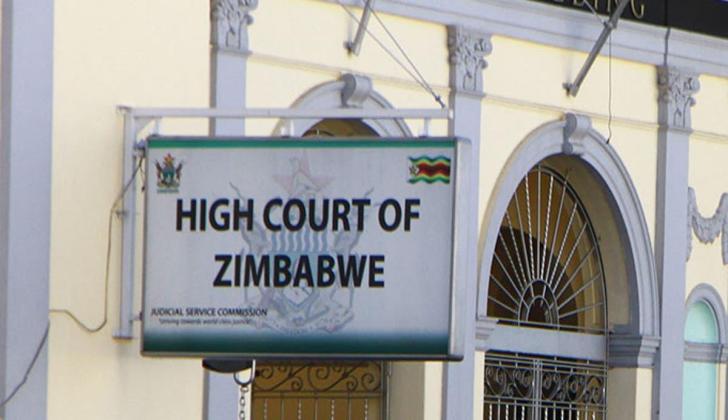
A former Zimbabwe Republic Police (ZRP) officer's attempt to overturn his dismissal has collapsed after the High Court struck off the respondents' opposing affidavit and ruled that his own application was filed out of time and lacked merit.
William Nengwekuru had taken the Police Service Commission and the Commissioner-General of Police to court, seeking a review of the decision that upheld his discharge from the force following disciplinary proceedings in which he was found guilty of misconduct. His internal appeal to the Commission had previously been dismissed.
However, Justice Joel Mambara, sitting at the Harare High Court, found that the matter was fatally flawed on procedural grounds before its substance could assist the applicant.
The court struck out the respondents' opposing affidavit after it emerged that it had been commissioned by a police legal officer employed by the first respondent. Justice Mambara ruled that attesting an affidavit for one's employer in such circumstances created a direct conflict with the requirement of impartiality. He emphasised that the law prohibits any commissioner of oaths who has "any involvement or advantage in the proceedings" from administering affidavits in the matter.
Despite the affidavit being struck off, leaving the case technically unopposed, the judge said this did not automatically entitle Nengwekuru to relief.
Justice Mambara held that the review application had been filed out of time. In terms of Rule 62(4) of the High Court Rules, a review must be instituted within eight weeks of the decision being challenged. Nengwekuru was notified on 1 April 2025 that his internal appeal had failed, giving him until 27 May to file his review. Instead, he approached the court in mid-June.
"The applicant's review was instituted out of time and, absent an application for extension, the matter is not properly before the court," the judge ruled.
Nengwekuru's lawyer had argued that because the case invoked section 68 of the Constitution, which guarantees the right to administrative justice, strict time limits should not apply. Justice Mambara rejected the argument, stating that constitutional rights do not give litigants a free pass to ignore procedural rules unless those rules themselves are unconstitutional.
For completeness, the court went on to assess the merits of the case and found that Nengwekuru had failed to demonstrate any irregularity, bias, illegality or unfairness in either the disciplinary process or the Commission's decision to dismiss his appeal.
Although he complained about delays in receiving the outcome of his internal appeal, the judge found that the delay alone was insufficient to justify setting aside the decision. The court was not satisfied that any prejudice had been shown that would warrant interference.
In the end, the High Court concluded that the application was defective both procedurally and substantively. The former police officer was ordered to pay the costs of the failed application.
William Nengwekuru had taken the Police Service Commission and the Commissioner-General of Police to court, seeking a review of the decision that upheld his discharge from the force following disciplinary proceedings in which he was found guilty of misconduct. His internal appeal to the Commission had previously been dismissed.
However, Justice Joel Mambara, sitting at the Harare High Court, found that the matter was fatally flawed on procedural grounds before its substance could assist the applicant.
The court struck out the respondents' opposing affidavit after it emerged that it had been commissioned by a police legal officer employed by the first respondent. Justice Mambara ruled that attesting an affidavit for one's employer in such circumstances created a direct conflict with the requirement of impartiality. He emphasised that the law prohibits any commissioner of oaths who has "any involvement or advantage in the proceedings" from administering affidavits in the matter.
Despite the affidavit being struck off, leaving the case technically unopposed, the judge said this did not automatically entitle Nengwekuru to relief.
"The applicant's review was instituted out of time and, absent an application for extension, the matter is not properly before the court," the judge ruled.
Nengwekuru's lawyer had argued that because the case invoked section 68 of the Constitution, which guarantees the right to administrative justice, strict time limits should not apply. Justice Mambara rejected the argument, stating that constitutional rights do not give litigants a free pass to ignore procedural rules unless those rules themselves are unconstitutional.
For completeness, the court went on to assess the merits of the case and found that Nengwekuru had failed to demonstrate any irregularity, bias, illegality or unfairness in either the disciplinary process or the Commission's decision to dismiss his appeal.
Although he complained about delays in receiving the outcome of his internal appeal, the judge found that the delay alone was insufficient to justify setting aside the decision. The court was not satisfied that any prejudice had been shown that would warrant interference.
In the end, the High Court concluded that the application was defective both procedurally and substantively. The former police officer was ordered to pay the costs of the failed application.
Source - zimlive
Join the discussion
Loading comments…



