News / National
Zanu-PF leadership survives ouster plot
01 Mar 2026 at 11:36hrs |
655 Views
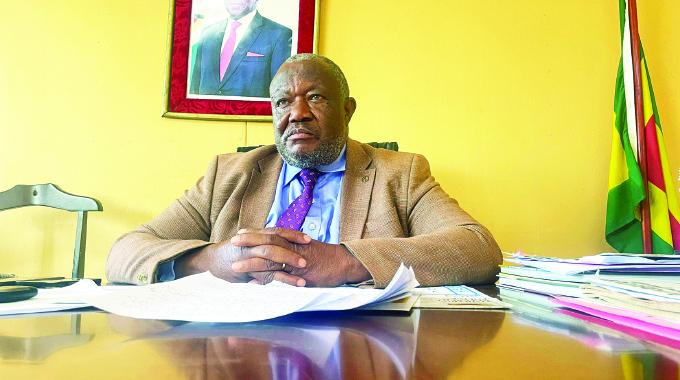
Manicaland provincial leaders in Zanu-PF narrowly survived an attempt to remove them amid intensifying factional battles within the ruling party, fueled by the influence of wealthy businessmen around President Emmerson Mnangagwa.
The crisis emerged during a policy meeting last Monday, where Zanu-PF commissar Munyaradzi Machacha reportedly sought to oust provincial chairperson Tawanda Makodza, claiming that his executive held office on an interim basis and accusing him of involvement in criminal activities.
The clash stems from a long-running feud over the elevation of Mnangagwa's advisor Paul Tungwarara to the central committee. Machacha had previously attempted to block Tungwarara's advancement, opposing his co-option into the party's top structures.
During the meeting, Machacha presented a report from his investigation into disturbances in Manicaland, alleging that Makodza and provincial political commissar Albert Nyakuedzwa held non-substantive positions. He accused them of hiring thugs to attack provincial members during meetings, a situation that had escalated after a violent provincial executive committee session late last year.
Machacha recommended that Makodza be hauled before the national disciplinary committee and that substantive replacements be appointed for the provincial chairperson and political commissar positions. He reportedly labelled Makodza a smuggler, gangster, and drug dealer.
Zanu-PF leadership pushed back. Secretary for administration Jacob Mudenda questioned Machacha's motives, noting that Makodza had received praise from Mnangagwa for organising a successful conference in October last year. Spokesperson Christopher Mutsvangwa, aligned with Tungwarara, reminded Machacha that Makodza could not be dismissed without presidential approval and highlighted that the provincial chair had no criminal convictions.
"The provincial chairman is answerable to Mnangagwa. You cannot be the police, judge, and jury," Mutsvangwa reportedly said. Mudenda subsequently assigned Webster Shambu, the national commissar's deputy, to investigate the matter, effectively sidelining Machacha.
Factional alignments were apparent during the meeting. Machacha, along with treasurer-general Patrick Chinamasa, is linked to a camp supporting Kudakwashe Tagwirei, who opposes Tungwarara. Tagwirei's faction reportedly resisted Tungwarara's elevation, fearing he would overshadow their influence in the party. Some senior members, including Tendai Chirau and Chinamasa, intentionally abstained from the session to avoid offending Tagwirei's camp, leaving Machacha isolated.
Despite the tension, Tungwarara's co-option into the central committee was approved, with Mutsvangwa and Vice-President Constantino Chiwenga playing decisive roles. Chiwenga reportedly supported Tungwarara to prevent wealthy individuals from monopolising party influence, referencing Tagwirei's prior co-option as a precedent.
The feud has historical roots in Tungwarara's campaign against Tagwirei, where so-called empowerment programmes were used to target his rival, nearly plunging Zanu-PF into a major crisis. Party authorities had to suspend the programmes to prevent further escalation.
The Manicaland episode underscores the fragility of internal unity within Zanu-PF, as business interests, factional loyalties, and presidential influence collide in shaping the ruling party's provincial and national leadership.
The crisis emerged during a policy meeting last Monday, where Zanu-PF commissar Munyaradzi Machacha reportedly sought to oust provincial chairperson Tawanda Makodza, claiming that his executive held office on an interim basis and accusing him of involvement in criminal activities.
The clash stems from a long-running feud over the elevation of Mnangagwa's advisor Paul Tungwarara to the central committee. Machacha had previously attempted to block Tungwarara's advancement, opposing his co-option into the party's top structures.
During the meeting, Machacha presented a report from his investigation into disturbances in Manicaland, alleging that Makodza and provincial political commissar Albert Nyakuedzwa held non-substantive positions. He accused them of hiring thugs to attack provincial members during meetings, a situation that had escalated after a violent provincial executive committee session late last year.
Machacha recommended that Makodza be hauled before the national disciplinary committee and that substantive replacements be appointed for the provincial chairperson and political commissar positions. He reportedly labelled Makodza a smuggler, gangster, and drug dealer.
Zanu-PF leadership pushed back. Secretary for administration Jacob Mudenda questioned Machacha's motives, noting that Makodza had received praise from Mnangagwa for organising a successful conference in October last year. Spokesperson Christopher Mutsvangwa, aligned with Tungwarara, reminded Machacha that Makodza could not be dismissed without presidential approval and highlighted that the provincial chair had no criminal convictions.
"The provincial chairman is answerable to Mnangagwa. You cannot be the police, judge, and jury," Mutsvangwa reportedly said. Mudenda subsequently assigned Webster Shambu, the national commissar's deputy, to investigate the matter, effectively sidelining Machacha.
Factional alignments were apparent during the meeting. Machacha, along with treasurer-general Patrick Chinamasa, is linked to a camp supporting Kudakwashe Tagwirei, who opposes Tungwarara. Tagwirei's faction reportedly resisted Tungwarara's elevation, fearing he would overshadow their influence in the party. Some senior members, including Tendai Chirau and Chinamasa, intentionally abstained from the session to avoid offending Tagwirei's camp, leaving Machacha isolated.
Despite the tension, Tungwarara's co-option into the central committee was approved, with Mutsvangwa and Vice-President Constantino Chiwenga playing decisive roles. Chiwenga reportedly supported Tungwarara to prevent wealthy individuals from monopolising party influence, referencing Tagwirei's prior co-option as a precedent.
The feud has historical roots in Tungwarara's campaign against Tagwirei, where so-called empowerment programmes were used to target his rival, nearly plunging Zanu-PF into a major crisis. Party authorities had to suspend the programmes to prevent further escalation.
The Manicaland episode underscores the fragility of internal unity within Zanu-PF, as business interests, factional loyalties, and presidential influence collide in shaping the ruling party's provincial and national leadership.
Source - the standard
Join the discussion
Loading comments…





