News / National
Massive crackdown against ED2030 critics
01 Mar 2026 at 11:34hrs |
0 Views
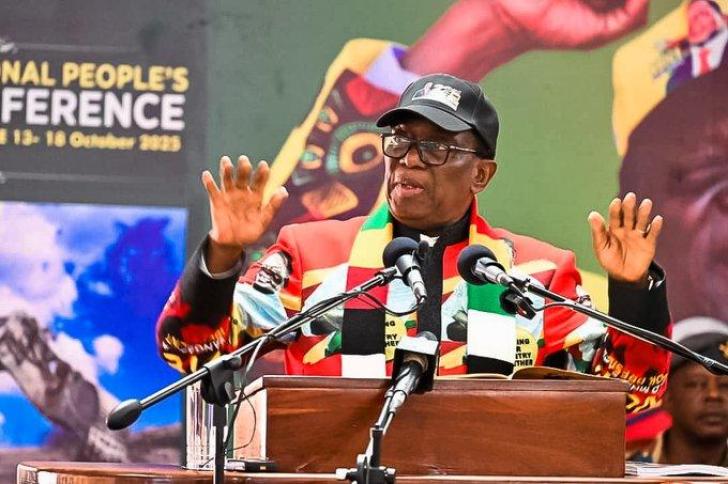
Concerns are mounting among political activists and civic leaders over what they describe as an intensifying crackdown on dissent surrounding Constitutional Amendment Bill No. 3, which seeks to extend President Emmerson Mnangagwa's term and postpone national elections from 2028 to 2030.
Authorities have reportedly banned public meetings to discuss the proposed changes, while alleged abductions and intimidation tactics target politicians and civic leaders opposed to the Bill.
Last week, unknown individuals painted "X" graffiti on the residences and offices of prominent critics, including Jameson Timba, convener of the Defend the Constitution Platform, the National Constitutional Assembly (NCA) offices in Harare, and Ibbo Mandaza, director of the Sapes Trust.
Two NCA members were allegedly abducted, assaulted, and dumped in Harare's Highlands after attending a meeting focused on strategies to challenge the Bill, according to NCA leader Lovemore Madhuku. In a separate incident, a member of the Constitution Defenders Forum was reportedly abducted and tortured for participating in gatherings opposing the amendment.
Public discussions on the Bill have also faced restrictions. A planned dialogue in Harare with Madhuku, Fadzayi Mahere, and Douglas Mwonzora was banned, while a similar meeting in Bulawayo involving David Coltart and Jabulani Sibanda was also prohibited.
Timba condemned the graffiti and intimidation, stating, "Engaging in constitutional debate is not subversion. It is a democratic right and duty. Zimbabwe cannot claim constitutionalism while tolerating anonymous tactics meant to silence lawful discussion."
NCA spokesperson Madock Chivasa echoed the sentiment, saying: "No amount of fear or threats will deter us from campaigning against the 2030 agenda. There will not be enough jails if the government decides to put those who are against the 2030 agenda in jail. It is not a crime to challenge the push to extend the presidential term."
Police spokesperson Commissioner Paul Nyathi said authorities are yet to verify whether formal reports of the alleged abductions have been lodged.
Critics argue that the crackdown highlights shrinking civic space at a time when Parliament has invited citizens to submit views on the proposed amendments, primarily through email—a method they say may exclude those without reliable internet access.
The Bill proposes repealing Section 92 of the Constitution and replacing it with a parliamentary process for electing the president. Political commentator Tendai Ruben Mbofana warned that blocking public debates undermines the credibility of the consultation process:
"You cannot invite citizens to express views while simultaneously preventing them from gathering to formulate those views. Public consultation requires an environment where people are free to assemble, debate, and interrogate the implications of the bill without fear."
Mandaza described the situation as a "constitutional coup," saying, "Every attempt at a public meeting is blocked, and civic leaders and citizens are being harassed and intimidated by state agents specially employed for the purpose."
Analyst Rashweat Mukundu added that the alleged intimidation reflects a lack of confidence among those pushing the amendments: "If Zanu-PF has confidence that the people support them, they should allow open debate."
The government has maintained that no referendum is necessary to pass the proposed amendments in Parliament, where Zanu-PF holds a two-thirds majority.
The unfolding situation has raised alarm among civil society, opposition figures, and political commentators, who warn that the combination of intimidation, bans on public meetings, and restricted civic space threatens democratic principles and the integrity of public consultation.
Authorities have reportedly banned public meetings to discuss the proposed changes, while alleged abductions and intimidation tactics target politicians and civic leaders opposed to the Bill.
Last week, unknown individuals painted "X" graffiti on the residences and offices of prominent critics, including Jameson Timba, convener of the Defend the Constitution Platform, the National Constitutional Assembly (NCA) offices in Harare, and Ibbo Mandaza, director of the Sapes Trust.
Two NCA members were allegedly abducted, assaulted, and dumped in Harare's Highlands after attending a meeting focused on strategies to challenge the Bill, according to NCA leader Lovemore Madhuku. In a separate incident, a member of the Constitution Defenders Forum was reportedly abducted and tortured for participating in gatherings opposing the amendment.
Public discussions on the Bill have also faced restrictions. A planned dialogue in Harare with Madhuku, Fadzayi Mahere, and Douglas Mwonzora was banned, while a similar meeting in Bulawayo involving David Coltart and Jabulani Sibanda was also prohibited.
Timba condemned the graffiti and intimidation, stating, "Engaging in constitutional debate is not subversion. It is a democratic right and duty. Zimbabwe cannot claim constitutionalism while tolerating anonymous tactics meant to silence lawful discussion."
NCA spokesperson Madock Chivasa echoed the sentiment, saying: "No amount of fear or threats will deter us from campaigning against the 2030 agenda. There will not be enough jails if the government decides to put those who are against the 2030 agenda in jail. It is not a crime to challenge the push to extend the presidential term."
Police spokesperson Commissioner Paul Nyathi said authorities are yet to verify whether formal reports of the alleged abductions have been lodged.
Critics argue that the crackdown highlights shrinking civic space at a time when Parliament has invited citizens to submit views on the proposed amendments, primarily through email—a method they say may exclude those without reliable internet access.
The Bill proposes repealing Section 92 of the Constitution and replacing it with a parliamentary process for electing the president. Political commentator Tendai Ruben Mbofana warned that blocking public debates undermines the credibility of the consultation process:
"You cannot invite citizens to express views while simultaneously preventing them from gathering to formulate those views. Public consultation requires an environment where people are free to assemble, debate, and interrogate the implications of the bill without fear."
Mandaza described the situation as a "constitutional coup," saying, "Every attempt at a public meeting is blocked, and civic leaders and citizens are being harassed and intimidated by state agents specially employed for the purpose."
Analyst Rashweat Mukundu added that the alleged intimidation reflects a lack of confidence among those pushing the amendments: "If Zanu-PF has confidence that the people support them, they should allow open debate."
The government has maintained that no referendum is necessary to pass the proposed amendments in Parliament, where Zanu-PF holds a two-thirds majority.
The unfolding situation has raised alarm among civil society, opposition figures, and political commentators, who warn that the combination of intimidation, bans on public meetings, and restricted civic space threatens democratic principles and the integrity of public consultation.
Source - the standard
Join the discussion
Loading comments…





