News / National
Biggest obstacle facing ZIG
08 May 2026 at 21:08hrs |
0 Views
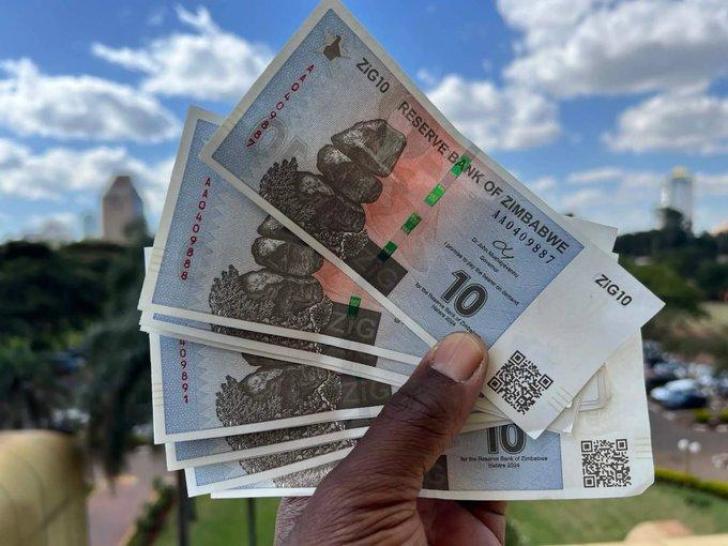
Zimbabwe's government has acknowledged that public confidence remains the biggest obstacle facing the country's gold-backed currency, the Zimbabwe Gold (ZiG), despite official backing and growing foreign currency reserves.
Deputy Finance Minister Kuda Mnangagwa told Parliament this week that while Treasury fully supports the ZiG currency, confidence could not be imposed on the public.
"As the government and as the minister, we have faith in our currency. What we cannot force among the people is the confidence that the people have," Mnangagwa said during a parliamentary question-and-answer session.
Zimbabwe introduced the ZiG in April 2024 in its latest attempt to stabilise a currency system battered by years of hyperinflation, sharp devaluations and repeated currency changes. The unit, backed by gold and foreign currency reserves, replaced the Zimbabwe dollar as authorities sought to restore monetary stability and reduce reliance on the U.S. dollar.
Official reserves backing the ZiG rose to about $1.4 billion at the end of March from $1.2 billion in December last year, according to government figures.
Despite that, the currency continues to struggle for broad acceptance in the economy, accounting for less than half of national transactions. Usage on Zimbabwe's national payments system averaged between 35% and 40% last year, while many retailers continue pricing goods in U.S. dollars or charging premiums for ZiG payments.
The trend has entrenched a de facto dollarised economy, with consumers and businesses preferring the U.S. dollar for savings and day-to-day transactions.
"We are supporting our currency and we will continue supporting it and make it stronger until a time when everyone has faith in the same currency," Mnangagwa said.
He said government was pursuing a gradual, market-driven approach rather than forcing adoption of the currency.
"Confidence is not built overnight. We are not forcing it down the throat, although we have confidence in our own currency," he said.
Responding to questions over the limited use of ZiG in fuel purchases, Mnangagwa said some service stations had started accepting the currency but broader adoption would depend on confidence levels.
Critics say the ZiG has continued to lose ground to the U.S. dollar in practical transactions, with parallel market activity remaining strong as many Zimbabweans quickly convert local currency earnings into dollars.
Deputy Finance Minister Kuda Mnangagwa told Parliament this week that while Treasury fully supports the ZiG currency, confidence could not be imposed on the public.
"As the government and as the minister, we have faith in our currency. What we cannot force among the people is the confidence that the people have," Mnangagwa said during a parliamentary question-and-answer session.
Zimbabwe introduced the ZiG in April 2024 in its latest attempt to stabilise a currency system battered by years of hyperinflation, sharp devaluations and repeated currency changes. The unit, backed by gold and foreign currency reserves, replaced the Zimbabwe dollar as authorities sought to restore monetary stability and reduce reliance on the U.S. dollar.
Official reserves backing the ZiG rose to about $1.4 billion at the end of March from $1.2 billion in December last year, according to government figures.
Despite that, the currency continues to struggle for broad acceptance in the economy, accounting for less than half of national transactions. Usage on Zimbabwe's national payments system averaged between 35% and 40% last year, while many retailers continue pricing goods in U.S. dollars or charging premiums for ZiG payments.
"We are supporting our currency and we will continue supporting it and make it stronger until a time when everyone has faith in the same currency," Mnangagwa said.
He said government was pursuing a gradual, market-driven approach rather than forcing adoption of the currency.
"Confidence is not built overnight. We are not forcing it down the throat, although we have confidence in our own currency," he said.
Responding to questions over the limited use of ZiG in fuel purchases, Mnangagwa said some service stations had started accepting the currency but broader adoption would depend on confidence levels.
Critics say the ZiG has continued to lose ground to the U.S. dollar in practical transactions, with parallel market activity remaining strong as many Zimbabweans quickly convert local currency earnings into dollars.
Source - newsday
Join the discussion
Loading comments…



