News / National
Telecel rescue bid opens
07 May 2026 at 14:30hrs |
660 Views
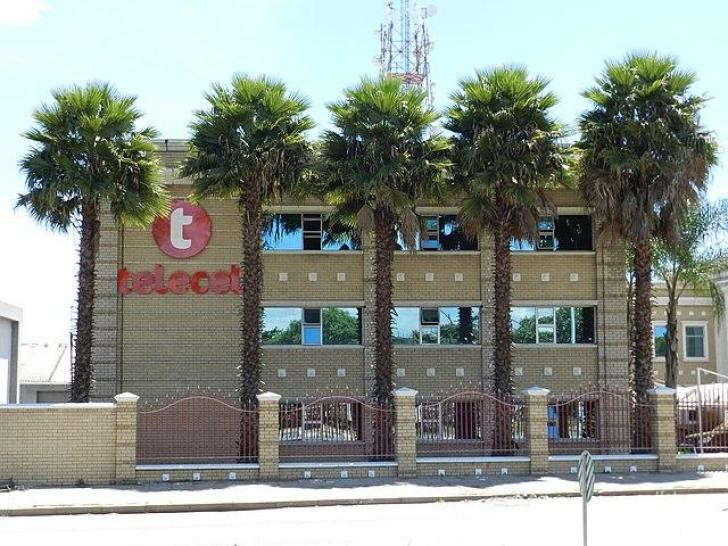
Telecel Zimbabwe, once Zimbabwe's second-largest mobile network operator, has entered a critical phase in its survival after being placed under voluntary corporate rescue, with bids for the distressed telecoms company now open until June 15.
The company, which commanded 1.92 million active subscribers and a 15.1 percent market share in 2015, is now operating under the supervision of auditing and advisory firm Grant Thornton Zimbabwe following a board resolution adopted on October 22, 2025.
The rescue practitioner says the operator carries liabilities estimated at US$240 million and requires at least US$50 million in immediate capital injection to stabilise operations and rebuild the network into a commercially competitive mobile operator.
Despite the severe financial distress, industry analysts say the real value of Telecel lies not in its current subscriber base or revenues, but in its strategic telecommunications licence.
Zimbabwe has only three Public Cellular Telecommunications Network licences, held by Econet Wireless Zimbabwe, NetOne and Telecel. No new full mobile network licence has been issued in more than two decades, making Telecel's operating permit one of the country's most strategic telecommunications assets.
The licence was renewed in July 2013 for a 20-year term running until 2033, giving any incoming investor at least seven years of operational certainty before renewal considerations arise.
Telecel's decline traces back to 2015 when international shareholder VimpelCom exited the business. The Zimbabwean government, through ZARNet and the National Social Security Authority, acquired the operator in a US$40 million transaction.
However, after the takeover, investment into the network slowed sharply. Infrastructure deteriorated and subscribers steadily migrated to competitors offering stronger network quality and wider coverage.
By the second quarter of 2025, Telecel's active subscriber base had fallen to just 319,548 subscribers, representing less than two percent of the national market.
Its infrastructure footprint also reflects the decline. By the end of 2025, Telecel operated 671 2G towers, 435 3G base stations and only 17 LTE sites. In comparison, Econet had deployed approximately 1,700 4G towers and established the country's dominant 5G footprint.
Sector statistics further illustrate the scale of the collapse. Telecel accounted for only 0.02 percent of national voice traffic and 0.16 percent of mobile data traffic.
Analysts argue that the decline was not caused by lack of demand for a third mobile operator, but by prolonged underinvestment that left the network unable to compete.
Zimbabwe's mobile telecommunications market remains sizeable and continues to expand, with active subscriptions estimated at 16.78 million by the fourth quarter of 2025.
Industry observers say the investment opportunity lies in acquiring permanent access to that market through a distressed-asset transaction rather than through the impossible process of securing a new telecoms licence.
The corporate rescue process is expected to attract interest from regional telecommunications investors, infrastructure funds and strategic operators seeking entry into Zimbabwe's communications sector.
Potential investors are being advised that success will depend not only on recapitalising the network, but also on introducing a differentiated commercial strategy capable of attracting subscribers away from dominant market leader Econet.
Analysts say aggressive pricing on mobile data, targeted enterprise services, fixed wireless broadband and diaspora-focused mobile money products could form part of a realistic turnaround strategy.
However, significant risks remain.
Apart from the US$240 million debt burden, investors will also have to navigate regulatory obligations with the Postal and Telecommunications Regulatory Authority of Zimbabwe (POTRAZ), including accumulated licence fees and spectrum-related liabilities.
Government ownership through ZARNet is also expected to shape negotiations around governance, management control and future capital allocation.
Telecel employees have gone for extended periods without regular United States dollar salaries, while the network has seen little meaningful infrastructure investment over recent years.
Industry experts say the outcome of the rescue process could determine whether Zimbabwe regains a viable third mobile operator capable of restoring competition in a sector currently dominated by Econet.
The winning bidder is expected to be the investor able to combine financial capacity, telecommunications operating expertise and a credible long-term strategy for rebuilding both the network and consumer confidence in the Telecel brand.
The company, which commanded 1.92 million active subscribers and a 15.1 percent market share in 2015, is now operating under the supervision of auditing and advisory firm Grant Thornton Zimbabwe following a board resolution adopted on October 22, 2025.
The rescue practitioner says the operator carries liabilities estimated at US$240 million and requires at least US$50 million in immediate capital injection to stabilise operations and rebuild the network into a commercially competitive mobile operator.
Despite the severe financial distress, industry analysts say the real value of Telecel lies not in its current subscriber base or revenues, but in its strategic telecommunications licence.
Zimbabwe has only three Public Cellular Telecommunications Network licences, held by Econet Wireless Zimbabwe, NetOne and Telecel. No new full mobile network licence has been issued in more than two decades, making Telecel's operating permit one of the country's most strategic telecommunications assets.
The licence was renewed in July 2013 for a 20-year term running until 2033, giving any incoming investor at least seven years of operational certainty before renewal considerations arise.
Telecel's decline traces back to 2015 when international shareholder VimpelCom exited the business. The Zimbabwean government, through ZARNet and the National Social Security Authority, acquired the operator in a US$40 million transaction.
However, after the takeover, investment into the network slowed sharply. Infrastructure deteriorated and subscribers steadily migrated to competitors offering stronger network quality and wider coverage.
By the second quarter of 2025, Telecel's active subscriber base had fallen to just 319,548 subscribers, representing less than two percent of the national market.
Its infrastructure footprint also reflects the decline. By the end of 2025, Telecel operated 671 2G towers, 435 3G base stations and only 17 LTE sites. In comparison, Econet had deployed approximately 1,700 4G towers and established the country's dominant 5G footprint.
Sector statistics further illustrate the scale of the collapse. Telecel accounted for only 0.02 percent of national voice traffic and 0.16 percent of mobile data traffic.
Zimbabwe's mobile telecommunications market remains sizeable and continues to expand, with active subscriptions estimated at 16.78 million by the fourth quarter of 2025.
Industry observers say the investment opportunity lies in acquiring permanent access to that market through a distressed-asset transaction rather than through the impossible process of securing a new telecoms licence.
The corporate rescue process is expected to attract interest from regional telecommunications investors, infrastructure funds and strategic operators seeking entry into Zimbabwe's communications sector.
Potential investors are being advised that success will depend not only on recapitalising the network, but also on introducing a differentiated commercial strategy capable of attracting subscribers away from dominant market leader Econet.
Analysts say aggressive pricing on mobile data, targeted enterprise services, fixed wireless broadband and diaspora-focused mobile money products could form part of a realistic turnaround strategy.
However, significant risks remain.
Apart from the US$240 million debt burden, investors will also have to navigate regulatory obligations with the Postal and Telecommunications Regulatory Authority of Zimbabwe (POTRAZ), including accumulated licence fees and spectrum-related liabilities.
Government ownership through ZARNet is also expected to shape negotiations around governance, management control and future capital allocation.
Telecel employees have gone for extended periods without regular United States dollar salaries, while the network has seen little meaningful infrastructure investment over recent years.
Industry experts say the outcome of the rescue process could determine whether Zimbabwe regains a viable third mobile operator capable of restoring competition in a sector currently dominated by Econet.
The winning bidder is expected to be the investor able to combine financial capacity, telecommunications operating expertise and a credible long-term strategy for rebuilding both the network and consumer confidence in the Telecel brand.
Source - The Chronicle
Join the discussion
Loading comments…





