News / National
Mthuli Ncube caught in Mnangagwa term extension crossfire
07 May 2026 at 14:37hrs |
0 Views
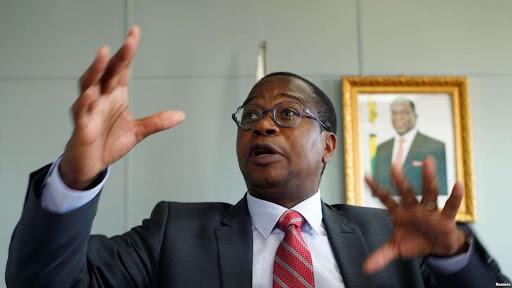
Mthuli Ncube is facing mounting criticism after linking Zimbabwe's controversial constitutional amendment proposals to economic stability and investor confidence.
Ncube made the remarks while backing the Constitution of Zimbabwe Amendment No. 3 Bill, commonly referred to as CAB3, which seeks to extend presidential and parliamentary terms from five to seven years.
If passed, the amendment would allow President Emmerson Mnangagwa to remain in office until 2030, extending his current and constitutionally final term beyond its scheduled expiry in 2028.
The Bill also proposes abolishing direct presidential elections, transferring that responsibility to lawmakers sitting in a joint parliamentary session. Members of Parliament would likewise benefit from extended terms under the proposed changes.
The proposed amendments have generated intense political debate, with critics arguing that they are designed primarily to consolidate executive power and reshape Zimbabwe's succession dynamics within the ruling ZANU PF.
Ncube's intervention has further fuelled the controversy, with opponents accusing him of attempting to frame constitutional changes around the authority of one individual rather than institutional governance principles.
The debate has also been intensified by comments from Virginia Mabhiza, who recently warned that Cabinet ministers are constitutionally obliged to publicly support government decisions.
Mabhiza said ministers unwilling to support official policy positions should resign, citing Section 104 of the Constitution, which grants the president authority to appoint and dismiss ministers.
Political observers interpreted the remarks as a warning aimed at dissenting voices within Cabinet and the ruling party, particularly amid growing reports of internal divisions over the proposed amendments.
Critics say the developments expose tensions within ZANU PF over succession politics and the future direction of the party.
Australia-based political commentator Reason Wafawarova said the Attorney-General's remarks raised broader constitutional and institutional concerns.
"Against that backdrop, any communication that appears to prescribe a uniform position for all ministers may invite questions about the balance between Cabinet solidarity and the expectation of independent legislative judgement," Wafawarova said.
"It is important that parliamentary processes are seen to be open, deliberative and not unduly constrained, particularly on matters of constitutional significance."
Wafawarova added that it would be premature to conclude that a political purge against perceived opponents of CAB3 was underway, but stressed the importance of allowing open participation without fear of reprisals.
Political analyst Vivid Gwede said the controversy surrounding the amendment process inadvertently revealed possible divisions within the ruling party.
"For outsiders, it inadvertently exposes the fact that there may not be agreement within Zanu-PF about the amendments," Gwede said.
"This is despite the proposals being presented as a unanimous party resolution."
Economists and governance experts have also criticised the proposed constitutional changes, warning that altering presidential term structures could undermine the policy predictability and institutional certainty required for long-term investment and economic confidence.
Government officials, however, continue to defend CAB3 as necessary for political stability and continuity of development programmes.
Ncube made the remarks while backing the Constitution of Zimbabwe Amendment No. 3 Bill, commonly referred to as CAB3, which seeks to extend presidential and parliamentary terms from five to seven years.
If passed, the amendment would allow President Emmerson Mnangagwa to remain in office until 2030, extending his current and constitutionally final term beyond its scheduled expiry in 2028.
The Bill also proposes abolishing direct presidential elections, transferring that responsibility to lawmakers sitting in a joint parliamentary session. Members of Parliament would likewise benefit from extended terms under the proposed changes.
The proposed amendments have generated intense political debate, with critics arguing that they are designed primarily to consolidate executive power and reshape Zimbabwe's succession dynamics within the ruling ZANU PF.
Ncube's intervention has further fuelled the controversy, with opponents accusing him of attempting to frame constitutional changes around the authority of one individual rather than institutional governance principles.
The debate has also been intensified by comments from Virginia Mabhiza, who recently warned that Cabinet ministers are constitutionally obliged to publicly support government decisions.
Mabhiza said ministers unwilling to support official policy positions should resign, citing Section 104 of the Constitution, which grants the president authority to appoint and dismiss ministers.
Political observers interpreted the remarks as a warning aimed at dissenting voices within Cabinet and the ruling party, particularly amid growing reports of internal divisions over the proposed amendments.
Critics say the developments expose tensions within ZANU PF over succession politics and the future direction of the party.
Australia-based political commentator Reason Wafawarova said the Attorney-General's remarks raised broader constitutional and institutional concerns.
"Against that backdrop, any communication that appears to prescribe a uniform position for all ministers may invite questions about the balance between Cabinet solidarity and the expectation of independent legislative judgement," Wafawarova said.
"It is important that parliamentary processes are seen to be open, deliberative and not unduly constrained, particularly on matters of constitutional significance."
Wafawarova added that it would be premature to conclude that a political purge against perceived opponents of CAB3 was underway, but stressed the importance of allowing open participation without fear of reprisals.
Political analyst Vivid Gwede said the controversy surrounding the amendment process inadvertently revealed possible divisions within the ruling party.
"For outsiders, it inadvertently exposes the fact that there may not be agreement within Zanu-PF about the amendments," Gwede said.
"This is despite the proposals being presented as a unanimous party resolution."
Economists and governance experts have also criticised the proposed constitutional changes, warning that altering presidential term structures could undermine the policy predictability and institutional certainty required for long-term investment and economic confidence.
Government officials, however, continue to defend CAB3 as necessary for political stability and continuity of development programmes.
Source - newsday
Join the discussion
Loading comments…




