News / National
Bulawayo dams reach highest water levels in 8 years
07 Jun 2026 at 15:18hrs |
0 Views
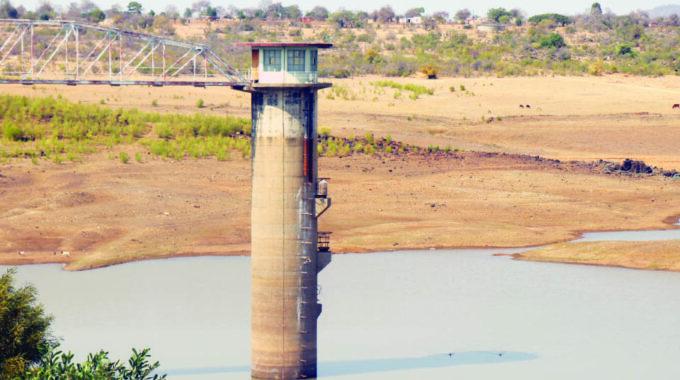
Bulawayo's water supply dams have recorded their strongest end-of-season storage levels in eight years, providing a significant boost to the city's water security following the close of the 2025/2026 rainy season.
According to the latest municipal water report, the city's dams ended the season at approximately 70 percent capacity, representing the highest combined storage level since 2018 and offering renewed hope for a city that has long battled chronic water shortages.
Officials described the season as one of solid recovery rather than exceptional replenishment, noting that improved inflows and favourable hydrological conditions had strengthened the city's water reserves ahead of the dry season.
"In summary, the 2025/2026 rainy season performed fairly well, closing with approximately 70 percent dam storage, indicating a solid recovery and system stability. While not an exceptional recharge year, it compared favourably with most recent seasons," the report states.
Authorities said the improved storage levels provide a reasonable buffer for the city, although long-term sustainability will depend on effective catchment protection measures and prudent water management practices.
The latest figures compare favourably with recent years. The last time Bulawayo recorded higher dam levels at the end of the rainy season was in 2018, when reservoirs stood at 78.9 percent capacity. The closest figure in recent years was recorded in 2021, when dams reached 68.9 percent full.
By comparison, storage levels at the end of the 2024/2025 rainy season stood at just 49.4 percent.
The highest dam storage levels recorded during the past decade were achieved in 2017, when reservoirs reached an impressive 97.6 percent capacity following exceptionally good rainfall.
Despite the encouraging improvement, municipal engineers have cautioned that water security remains closely tied to infrastructure performance, operational efficiency and demand management.
Data compiled as of May 19, 2026, shows that Bulawayo's dam system currently holds approximately 272 million cubic metres of usable water, excluding dead storage.
Individual reservoir projections indicate varying depletion timelines. Insiza Dam is expected to remain viable until November 2029, while Mtshabezi Dam could continue supplying water until August 2031. Inyankuni Dam is projected to last until October 2028, Umzingwane until August 2027, Upper Ncema until December 2027 and Lower Ncema until October 2026.
Municipal officials reported that the city's water sources are currently capable of supplying approximately 165 megalitres per day. However, actual abstraction stands at 128.2 megalitres daily due to maintenance work, equipment breakdowns and supply interruptions.
The average daily water production currently stands at 117.84 megalitres.
Groundwater abstraction from the Nyamandlovu Boreholes system continues to play an important supporting role in the city's water supply strategy.
The report indicates that 33 boreholes are currently operational, including 11 at Epping Forest and 22 at Rochester, collectively producing an average of 7.27 megalitres per day.
However, challenges persist within the borehole network, with seven pumps at Epping Forest reportedly burnt out and out of service, reducing overall efficiency.
Bulawayo has endured recurring water shortages for decades, prompting authorities to implement strict water rationing schedules and other demand management measures.
In the short term, the city has focused on reducing water losses through rapid repair of leaks and burst pipes, stricter enforcement of rationing measures and efforts to improve pumping and treatment efficiency.
Medium-term plans include rehabilitation of ageing infrastructure, upgrading pumping stations, expanding the Nyamandlovu borehole system and improving energy reliability to reduce interruptions affecting water production.
Looking further ahead, city officials continue to pin hopes on the proposed Glassblock Dam project, which is expected to significantly increase Bulawayo's raw water supply capacity and reduce dependence on existing reservoirs that remain vulnerable to increasingly erratic rainfall patterns.
While the latest dam levels provide welcome relief, authorities stress that careful management and continued infrastructure investment will be essential to securing the city's long-term water future.
According to the latest municipal water report, the city's dams ended the season at approximately 70 percent capacity, representing the highest combined storage level since 2018 and offering renewed hope for a city that has long battled chronic water shortages.
Officials described the season as one of solid recovery rather than exceptional replenishment, noting that improved inflows and favourable hydrological conditions had strengthened the city's water reserves ahead of the dry season.
"In summary, the 2025/2026 rainy season performed fairly well, closing with approximately 70 percent dam storage, indicating a solid recovery and system stability. While not an exceptional recharge year, it compared favourably with most recent seasons," the report states.
Authorities said the improved storage levels provide a reasonable buffer for the city, although long-term sustainability will depend on effective catchment protection measures and prudent water management practices.
The latest figures compare favourably with recent years. The last time Bulawayo recorded higher dam levels at the end of the rainy season was in 2018, when reservoirs stood at 78.9 percent capacity. The closest figure in recent years was recorded in 2021, when dams reached 68.9 percent full.
By comparison, storage levels at the end of the 2024/2025 rainy season stood at just 49.4 percent.
The highest dam storage levels recorded during the past decade were achieved in 2017, when reservoirs reached an impressive 97.6 percent capacity following exceptionally good rainfall.
Despite the encouraging improvement, municipal engineers have cautioned that water security remains closely tied to infrastructure performance, operational efficiency and demand management.
Data compiled as of May 19, 2026, shows that Bulawayo's dam system currently holds approximately 272 million cubic metres of usable water, excluding dead storage.
Municipal officials reported that the city's water sources are currently capable of supplying approximately 165 megalitres per day. However, actual abstraction stands at 128.2 megalitres daily due to maintenance work, equipment breakdowns and supply interruptions.
The average daily water production currently stands at 117.84 megalitres.
Groundwater abstraction from the Nyamandlovu Boreholes system continues to play an important supporting role in the city's water supply strategy.
The report indicates that 33 boreholes are currently operational, including 11 at Epping Forest and 22 at Rochester, collectively producing an average of 7.27 megalitres per day.
However, challenges persist within the borehole network, with seven pumps at Epping Forest reportedly burnt out and out of service, reducing overall efficiency.
Bulawayo has endured recurring water shortages for decades, prompting authorities to implement strict water rationing schedules and other demand management measures.
In the short term, the city has focused on reducing water losses through rapid repair of leaks and burst pipes, stricter enforcement of rationing measures and efforts to improve pumping and treatment efficiency.
Medium-term plans include rehabilitation of ageing infrastructure, upgrading pumping stations, expanding the Nyamandlovu borehole system and improving energy reliability to reduce interruptions affecting water production.
Looking further ahead, city officials continue to pin hopes on the proposed Glassblock Dam project, which is expected to significantly increase Bulawayo's raw water supply capacity and reduce dependence on existing reservoirs that remain vulnerable to increasingly erratic rainfall patterns.
While the latest dam levels provide welcome relief, authorities stress that careful management and continued infrastructure investment will be essential to securing the city's long-term water future.
Source - Sunday News
Join the discussion
Loading comments…




