News / National
Outrage over Chivayo 'bribes'
13 Jun 2026 at 11:51hrs |
0 Views
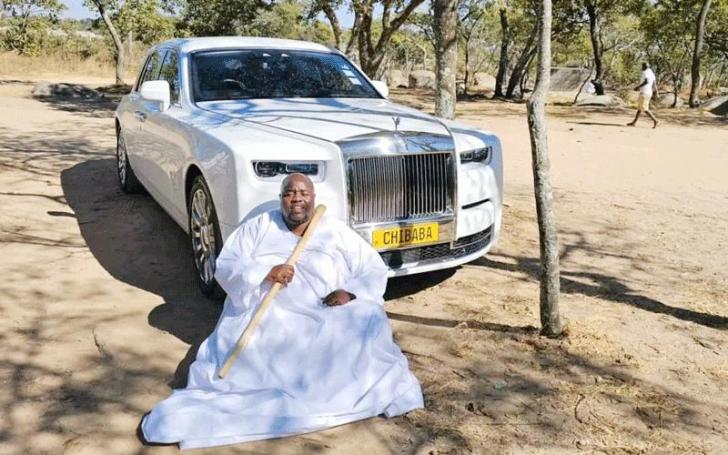
Controversial businessman Wicknell Chivayo has come under renewed scrutiny after gifting cash and luxury vehicles to legislators involved in the ongoing debate over Constitutional Amendment No. 3 Bill (CAB 3), with legal experts warning that such rewards may violate both parliamentary rules and Zimbabwean law.
The controversy has emerged as Parliament debates amendments that would extend President Emmerson Mnangagwa's tenure, lengthen the life of Parliament and introduce significant changes to the country's electoral framework.
Allegations circulating within political circles claim that legislators supporting the Bill have received substantial financial rewards. NewsDay Weekender reported that some lawmakers backing the proposed amendments allegedly received US$50,000 in cash.
The issue gained prominence after Chivayo publicly announced that he had gifted Samantha Mureyani a new Toyota Fortuner and US$50,000 in cash.
The announcement came shortly after Mureyani had reportedly threatened legal action against journalists who sought comment regarding allegations that she had been rewarded following her contribution to parliamentary debate in support of the Bill.
A day later, Chivayo announced a similar package for Remigious Matangira, further fuelling speculation that legislators were being rewarded for their positions on the constitutional amendments.
Constitutional lawyer Musa Kika described the developments as deeply troubling and potentially unlawful.
"The Parliament of Zimbabwe Code of Conduct and Ethics requires disclosure of any gift exceeding US$4,500 in a single year," Kika said.
"The same code prohibits promoting a matter in Parliament for financial gain or benefit."
Kika argued that several legal provisions may be relevant to the matter, including sections of the Criminal Law (Codification and Reform) Act dealing with bribery and criminal abuse of public office, as well as parliamentary legislation governing the conduct of lawmakers.
He pointed to provisions of the Privileges, Immunities and Powers of Parliament Act which prohibit Members of Parliament from receiving compensation, gifts or rewards in connection with support for or opposition to legislation before Parliament.
"Chivayo's gifts and rewards are criminal, and it is morally reprehensible for any Member of Parliament to accept such undue gifts and benefits," Kika said.
"It goes against the very constitutional duty of a Member of Parliament, who is required to represent their constituency diligently and with integrity.
"This violates all notions of good, responsible and constitutional governance."
Despite the criticism, allies of Sengezo Tshabangu appeared dismissive of concerns surrounding the gifts.
Tshabangu's spokesperson, Nqobizitha Mlilo, described the controversy as a distraction from broader political negotiations taking place around the Bill.
"They are non-issues to us. They are just morbid symptoms showing us that we are in a transition. In moments like the one we are in, all kinds of things happen," Mlilo said.
He argued that attention should remain focused on efforts to secure what he described as a broad-based political settlement and a "Government of National Consensus".
Civil society groups have also entered the debate.
Zimbabwe Constitutional Movement condemned any attempts to influence legislators through personal benefits and urged MPs to vote according to conscience and the wishes of their constituents.
"Zimbabwe is not for sale," the organisation said in a statement.
The group warned that constitutional amendments affecting presidential term limits and governance structures should be guided by public interest rather than individual gain.
Meanwhile, social and political commentator Jacob Kudzayi Mutisi has formally petitioned Parliament, the Zimbabwe Anti-Corruption Commission, the police and the Zimbabwe Lawyers for Human Rights seeking clarification on the legal implications of legislators accepting money or gifts linked to parliamentary decisions.
Mutisi questioned whether such conduct could constitute bribery, corruption, abuse of office or other offences under Zimbabwean law and sought guidance on disclosure requirements, disciplinary procedures and mechanisms for public complaints.
He argued that public confidence in Parliament depends on transparency, accountability and adherence to ethical standards by elected representatives.
Contacted for comment, Zanu PF chief whip Pupurai Togarepi said he could not comment on what he described as unverified allegations.
"It will be difficult for me to comment on speculation," Togarepi said.
"If ever that is true, I may need to understand the context in which the money or cars were given before I can have an opinion."
The controversy comes as Parliament prepares for a vote on CAB 3 next week, with the debate already exposing deep political divisions both within opposition ranks and among factions aligned to the ruling party.
As pressure mounts for clarity on the legality and ethics of the gifts, attention is likely to shift to whether investigative authorities or parliamentary institutions will take further action regarding the allegations.
The controversy has emerged as Parliament debates amendments that would extend President Emmerson Mnangagwa's tenure, lengthen the life of Parliament and introduce significant changes to the country's electoral framework.
Allegations circulating within political circles claim that legislators supporting the Bill have received substantial financial rewards. NewsDay Weekender reported that some lawmakers backing the proposed amendments allegedly received US$50,000 in cash.
The issue gained prominence after Chivayo publicly announced that he had gifted Samantha Mureyani a new Toyota Fortuner and US$50,000 in cash.
The announcement came shortly after Mureyani had reportedly threatened legal action against journalists who sought comment regarding allegations that she had been rewarded following her contribution to parliamentary debate in support of the Bill.
A day later, Chivayo announced a similar package for Remigious Matangira, further fuelling speculation that legislators were being rewarded for their positions on the constitutional amendments.
Constitutional lawyer Musa Kika described the developments as deeply troubling and potentially unlawful.
"The Parliament of Zimbabwe Code of Conduct and Ethics requires disclosure of any gift exceeding US$4,500 in a single year," Kika said.
"The same code prohibits promoting a matter in Parliament for financial gain or benefit."
Kika argued that several legal provisions may be relevant to the matter, including sections of the Criminal Law (Codification and Reform) Act dealing with bribery and criminal abuse of public office, as well as parliamentary legislation governing the conduct of lawmakers.
He pointed to provisions of the Privileges, Immunities and Powers of Parliament Act which prohibit Members of Parliament from receiving compensation, gifts or rewards in connection with support for or opposition to legislation before Parliament.
"Chivayo's gifts and rewards are criminal, and it is morally reprehensible for any Member of Parliament to accept such undue gifts and benefits," Kika said.
"It goes against the very constitutional duty of a Member of Parliament, who is required to represent their constituency diligently and with integrity.
"This violates all notions of good, responsible and constitutional governance."
Despite the criticism, allies of Sengezo Tshabangu appeared dismissive of concerns surrounding the gifts.
Tshabangu's spokesperson, Nqobizitha Mlilo, described the controversy as a distraction from broader political negotiations taking place around the Bill.
"They are non-issues to us. They are just morbid symptoms showing us that we are in a transition. In moments like the one we are in, all kinds of things happen," Mlilo said.
He argued that attention should remain focused on efforts to secure what he described as a broad-based political settlement and a "Government of National Consensus".
Civil society groups have also entered the debate.
Zimbabwe Constitutional Movement condemned any attempts to influence legislators through personal benefits and urged MPs to vote according to conscience and the wishes of their constituents.
"Zimbabwe is not for sale," the organisation said in a statement.
The group warned that constitutional amendments affecting presidential term limits and governance structures should be guided by public interest rather than individual gain.
Meanwhile, social and political commentator Jacob Kudzayi Mutisi has formally petitioned Parliament, the Zimbabwe Anti-Corruption Commission, the police and the Zimbabwe Lawyers for Human Rights seeking clarification on the legal implications of legislators accepting money or gifts linked to parliamentary decisions.
Mutisi questioned whether such conduct could constitute bribery, corruption, abuse of office or other offences under Zimbabwean law and sought guidance on disclosure requirements, disciplinary procedures and mechanisms for public complaints.
He argued that public confidence in Parliament depends on transparency, accountability and adherence to ethical standards by elected representatives.
Contacted for comment, Zanu PF chief whip Pupurai Togarepi said he could not comment on what he described as unverified allegations.
"It will be difficult for me to comment on speculation," Togarepi said.
"If ever that is true, I may need to understand the context in which the money or cars were given before I can have an opinion."
The controversy comes as Parliament prepares for a vote on CAB 3 next week, with the debate already exposing deep political divisions both within opposition ranks and among factions aligned to the ruling party.
As pressure mounts for clarity on the legality and ethics of the gifts, attention is likely to shift to whether investigative authorities or parliamentary institutions will take further action regarding the allegations.
Source - newsday
Join the discussion
Loading comments…



