News / National
Mthuli Ncube keeps 2026 budget intact
30 Jul 2026 at 19:51hrs |
558 Views
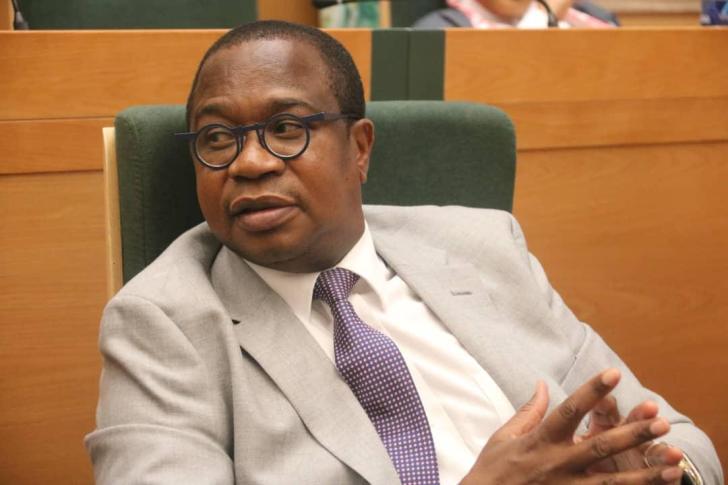
Zimbabwe will not introduce a supplementary budget this year after stronger-than-expected revenue collections and restrained government spending left Treasury with sufficient fiscal space to fund planned programmes until year-end, Finance Minister Mthuli Ncube has announced.
Presenting the 2026 Mid-Term Budget and Economic Review in Parliament on Thursday, Ncube said the economy remained on track despite global economic headwinds, with government maintaining its 5% growth forecast for 2026 alongside expectations of low inflation and continued currency stability.
"The approved budget remains adequate to cover planned programmes and projects through to the year's close, without the need for a Supplementary Budget," Ncube said.
The decision signals government's intention to maintain fiscal discipline, a move likely to reassure investors and the business community after previous supplementary budgets raised concerns over increased public spending and inflationary pressures.
Treasury collected ZiG137.8 billion in revenue during the first half of the year against expenditure of ZiG123.6 billion, generating a surplus that was directed towards servicing public debt and settling outstanding obligations to service providers.
Value Added Tax (VAT) remained government's largest revenue source, accounting for 28.3% of total collections, followed by personal income tax at 16.6% and corporate income tax at 13.8%.
Ncube said Zimbabwe's macroeconomic environment continued to improve, with annual inflation averaging 4.2% during the first seven months of 2026, a significant decline from almost 96% recorded during the corresponding period last year.
The economy is projected to grow by 5% this year after expanding by 8.3% in 2025, driven by higher mineral prices, improved agricultural production and reforms aimed at reducing the cost of doing business.
Mining and agriculture remain the country's principal growth sectors.
Gold production is expected to increase from 50 tonnes in 2025 to 55.6 tonnes this year, while lithium exports surged by nearly 230% during the first half of 2026 to US$782.2 million.
Manufacturing capacity utilisation is also forecast to improve to 63.5%, supported by increased investment and financing through the Industrial Development Fund.
Zimbabwe's external sector also recorded significant improvements.
Foreign currency receipts rose 47.8% to US$10.7 billion during the first six months of the year, while the current account recorded a surplus of US$616.3 million compared to a deficit over the same period last year.
Merchandise exports increased by 41.6%, helping usable foreign currency reserves rise to US$1.6 billion by the end of June.
Despite the encouraging performance, Ncube cautioned that external risks remained.
He said geopolitical tensions in the Middle East had reduced fuel tax collections, resulting in revenue losses exceeding US$74 million, while government was preparing contingency measures to mitigate the potential impact of an El Niño-induced drought during the 2026/27 agricultural season.
To sustain infrastructure development without placing additional strain on the fiscus, Treasury plans to establish an Infrastructure Development Fund to mobilise financing from domestic and international lenders.
As part of the initiative, government has secured a US$400 million financing facility from local financial institutions to complete the remaining section of the Harare-Beitbridge Highway and fund upgrades to the Harare-Chirundu and Bulawayo-Victoria Falls highways.
The first US$100 million has already been secured, with repayments to be financed through ring-fenced revenues from the Zimbabwe National Road Administration (ZINARA).
Public debt, however, remains a significant challenge.
Zimbabwe's public and publicly guaranteed debt stood at ZiG580.9 billion, equivalent to US$21.7 billion, at the end of June, as government continued implementing its strategy to resolve legacy debt obligations.
Ncube said Zimbabwe had successfully met all but one of the quantitative targets under the International Monetary Fund (IMF) Staff Monitored Programme, an important milestone in the country's efforts to restore access to concessional international financing.
He said government would maintain a prudent fiscal stance during the second half of the year while expanding social protection programmes and preserving macroeconomic stability in pursuit of Vision 2030.
Presenting the 2026 Mid-Term Budget and Economic Review in Parliament on Thursday, Ncube said the economy remained on track despite global economic headwinds, with government maintaining its 5% growth forecast for 2026 alongside expectations of low inflation and continued currency stability.
"The approved budget remains adequate to cover planned programmes and projects through to the year's close, without the need for a Supplementary Budget," Ncube said.
The decision signals government's intention to maintain fiscal discipline, a move likely to reassure investors and the business community after previous supplementary budgets raised concerns over increased public spending and inflationary pressures.
Treasury collected ZiG137.8 billion in revenue during the first half of the year against expenditure of ZiG123.6 billion, generating a surplus that was directed towards servicing public debt and settling outstanding obligations to service providers.
Value Added Tax (VAT) remained government's largest revenue source, accounting for 28.3% of total collections, followed by personal income tax at 16.6% and corporate income tax at 13.8%.
Ncube said Zimbabwe's macroeconomic environment continued to improve, with annual inflation averaging 4.2% during the first seven months of 2026, a significant decline from almost 96% recorded during the corresponding period last year.
The economy is projected to grow by 5% this year after expanding by 8.3% in 2025, driven by higher mineral prices, improved agricultural production and reforms aimed at reducing the cost of doing business.
Mining and agriculture remain the country's principal growth sectors.
Gold production is expected to increase from 50 tonnes in 2025 to 55.6 tonnes this year, while lithium exports surged by nearly 230% during the first half of 2026 to US$782.2 million.
Manufacturing capacity utilisation is also forecast to improve to 63.5%, supported by increased investment and financing through the Industrial Development Fund.
Foreign currency receipts rose 47.8% to US$10.7 billion during the first six months of the year, while the current account recorded a surplus of US$616.3 million compared to a deficit over the same period last year.
Merchandise exports increased by 41.6%, helping usable foreign currency reserves rise to US$1.6 billion by the end of June.
Despite the encouraging performance, Ncube cautioned that external risks remained.
He said geopolitical tensions in the Middle East had reduced fuel tax collections, resulting in revenue losses exceeding US$74 million, while government was preparing contingency measures to mitigate the potential impact of an El Niño-induced drought during the 2026/27 agricultural season.
To sustain infrastructure development without placing additional strain on the fiscus, Treasury plans to establish an Infrastructure Development Fund to mobilise financing from domestic and international lenders.
As part of the initiative, government has secured a US$400 million financing facility from local financial institutions to complete the remaining section of the Harare-Beitbridge Highway and fund upgrades to the Harare-Chirundu and Bulawayo-Victoria Falls highways.
The first US$100 million has already been secured, with repayments to be financed through ring-fenced revenues from the Zimbabwe National Road Administration (ZINARA).
Public debt, however, remains a significant challenge.
Zimbabwe's public and publicly guaranteed debt stood at ZiG580.9 billion, equivalent to US$21.7 billion, at the end of June, as government continued implementing its strategy to resolve legacy debt obligations.
Ncube said Zimbabwe had successfully met all but one of the quantitative targets under the International Monetary Fund (IMF) Staff Monitored Programme, an important milestone in the country's efforts to restore access to concessional international financing.
He said government would maintain a prudent fiscal stance during the second half of the year while expanding social protection programmes and preserving macroeconomic stability in pursuit of Vision 2030.
Source - newsday
Join the discussion
Loading comments…



