News / National
MPs sit past midnight to prevent Zanu-PF from concluding CAB3 debate
17 Jun 2026 at 08:20hrs |
0 Views
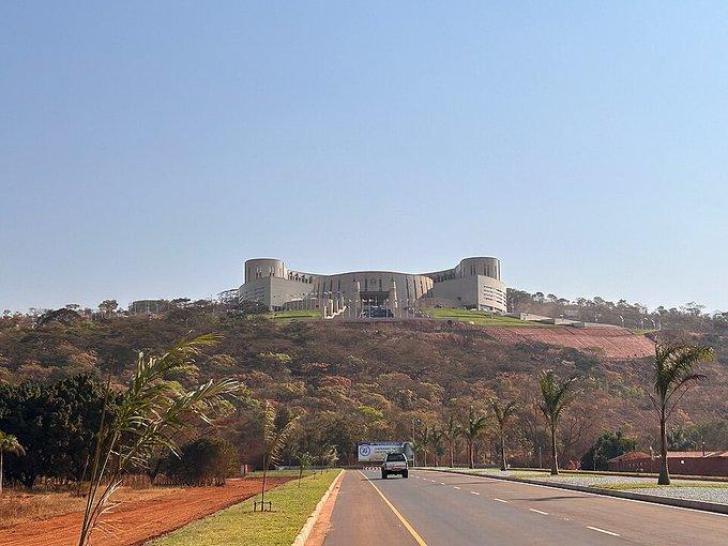
Parliament sat past midnight on Tuesday after opposition legislators mounted a determined effort to prevent the government from concluding debate on the controversial Constitution of Zimbabwe Amendment Bill (No. 3), forcing an extended sitting that exposed deep divisions over the proposed changes.
The marathon session began with Justice Minister Ziyambi Ziyambi appearing poised to close the second reading debate and move the Bill to the committee stage.
Noting that more than 120 legislators had already contributed to the debate, Ziyambi signalled that the discussion had run its course. However, opposition MPs objected, insisting that all members wishing to speak should be given an opportunity before debate was closed.
Dzivaresekwa MP Prosper Mutseyami was among the first to challenge the move, arguing that several legislators had yet to present the views of their constituencies.
The dispute escalated after Deputy Speaker Tsitsi Gezi suggested that remaining members could raise their concerns during the committee stage.
Marondera Central MP Caston Matewu strongly opposed the proposal, arguing that constituency representatives from across the country were entitled to participate in the second reading debate before it was concluded.
Faced with resistance from opposition benches, the government agreed to continue the debate but reduced individual speaking time from 20 minutes to 10 minutes in an effort to accommodate the remaining speakers.
Matewu later became the focal point of the proceedings when he launched a fierce attack on the Bill, describing it as a threat to constitutional democracy and arguing that it sought to fundamentally alter the relationship between citizens and the State without adequate public consultation.
"This Bill is not a constitutional amendment; it is not an administrative reform, nor a technical correction," Matewu told the House. "It is a fundamental attempt to alter the relationship between the people of Zimbabwe and the State without first consulting Zimbabweans."
Ziyambi challenged some of the claims, maintaining that there was nothing in the Bill that undermined democracy.
The situation deteriorated when the Deputy Speaker repeatedly informed Matewu that his allocated speaking time had expired. The legislator disputed the ruling and refused to take his seat, resulting in his removal from the chamber.
Kuwadzana MP Chalton Hwende subsequently protested the decision, arguing that the reduced speaking time had not been formally incorporated into parliamentary standing rules.
Among the opposition's most detailed contributions was that of Harare proportional representation MP Ellen Shiriyedenga, who argued that the proposed amendments would weaken constitutional safeguards rather than strengthen democratic governance.
Shiriyedenga criticised provisions relating to judicial appointments, warning that removing public interviews for certain judges could undermine transparency and public confidence in the judiciary.
She also opposed proposals affecting electoral administration, arguing that changes to the management of delimitation processes and the voters' roll could compromise institutional independence.
"The issue is that instead of us debating this amendment bill, we should be focused more on aligning the Electoral Act to the constitution," she told Parliament.
Kadoma Central MP Miriam Mambipiri accused the government of seeking to reverse democratic gains achieved under the 2013 Constitution and criticised proposals that could extend presidential terms.
Mambipiri dismissed arguments that longer presidential terms were necessary to complete development projects, pointing to infrastructure projects that have remained unfinished for decades.
On the government side, Zanu-PF Chief Whip Pupurai Togarepi defended the process and indicated that the ruling party was prepared to sit through the night if necessary to complete the speakers' list.
After more than 10 hours of debate, Ziyambi eventually moved for adjournment shortly after midnight, saying additional contributions were still expected from Home Affairs Minister Kazembe Kazembe, Energy Minister July Moyo and the Attorney-General's Office before the Bill proceeds to the committee stage.
The minister described the debate as one of the most extensively participated in parliamentary history.
Debate will resume on Wednesday, with the minister's response, committee stage deliberations and a final vote still outstanding.
The Constitution of Zimbabwe Amendment Bill (No. 3) has emerged as one of the most contentious pieces of legislation before Parliament. Critics argue that some of its provisions could weaken democratic safeguards and concentrate power within the executive, while supporters maintain the changes are intended to improve governance and the functioning of state institutions.
The Bill is widely expected to pass, given that the ruling ZANU-PF holds the two-thirds majority required to amend the Constitution in both houses of Parliament.
The proposed amendments have nevertheless generated significant political debate, with some retired military officers, former civil servants and opposition parties publicly expressing concerns over provisions relating to presidential terms, electoral processes and constitutional governance.
Parliament is expected to conclude consideration of the Bill before the end of the week.
The marathon session began with Justice Minister Ziyambi Ziyambi appearing poised to close the second reading debate and move the Bill to the committee stage.
Noting that more than 120 legislators had already contributed to the debate, Ziyambi signalled that the discussion had run its course. However, opposition MPs objected, insisting that all members wishing to speak should be given an opportunity before debate was closed.
Dzivaresekwa MP Prosper Mutseyami was among the first to challenge the move, arguing that several legislators had yet to present the views of their constituencies.
The dispute escalated after Deputy Speaker Tsitsi Gezi suggested that remaining members could raise their concerns during the committee stage.
Marondera Central MP Caston Matewu strongly opposed the proposal, arguing that constituency representatives from across the country were entitled to participate in the second reading debate before it was concluded.
Faced with resistance from opposition benches, the government agreed to continue the debate but reduced individual speaking time from 20 minutes to 10 minutes in an effort to accommodate the remaining speakers.
Matewu later became the focal point of the proceedings when he launched a fierce attack on the Bill, describing it as a threat to constitutional democracy and arguing that it sought to fundamentally alter the relationship between citizens and the State without adequate public consultation.
"This Bill is not a constitutional amendment; it is not an administrative reform, nor a technical correction," Matewu told the House. "It is a fundamental attempt to alter the relationship between the people of Zimbabwe and the State without first consulting Zimbabweans."
Ziyambi challenged some of the claims, maintaining that there was nothing in the Bill that undermined democracy.
The situation deteriorated when the Deputy Speaker repeatedly informed Matewu that his allocated speaking time had expired. The legislator disputed the ruling and refused to take his seat, resulting in his removal from the chamber.
Kuwadzana MP Chalton Hwende subsequently protested the decision, arguing that the reduced speaking time had not been formally incorporated into parliamentary standing rules.
Among the opposition's most detailed contributions was that of Harare proportional representation MP Ellen Shiriyedenga, who argued that the proposed amendments would weaken constitutional safeguards rather than strengthen democratic governance.
She also opposed proposals affecting electoral administration, arguing that changes to the management of delimitation processes and the voters' roll could compromise institutional independence.
"The issue is that instead of us debating this amendment bill, we should be focused more on aligning the Electoral Act to the constitution," she told Parliament.
Kadoma Central MP Miriam Mambipiri accused the government of seeking to reverse democratic gains achieved under the 2013 Constitution and criticised proposals that could extend presidential terms.
Mambipiri dismissed arguments that longer presidential terms were necessary to complete development projects, pointing to infrastructure projects that have remained unfinished for decades.
On the government side, Zanu-PF Chief Whip Pupurai Togarepi defended the process and indicated that the ruling party was prepared to sit through the night if necessary to complete the speakers' list.
After more than 10 hours of debate, Ziyambi eventually moved for adjournment shortly after midnight, saying additional contributions were still expected from Home Affairs Minister Kazembe Kazembe, Energy Minister July Moyo and the Attorney-General's Office before the Bill proceeds to the committee stage.
The minister described the debate as one of the most extensively participated in parliamentary history.
Debate will resume on Wednesday, with the minister's response, committee stage deliberations and a final vote still outstanding.
The Constitution of Zimbabwe Amendment Bill (No. 3) has emerged as one of the most contentious pieces of legislation before Parliament. Critics argue that some of its provisions could weaken democratic safeguards and concentrate power within the executive, while supporters maintain the changes are intended to improve governance and the functioning of state institutions.
The Bill is widely expected to pass, given that the ruling ZANU-PF holds the two-thirds majority required to amend the Constitution in both houses of Parliament.
The proposed amendments have nevertheless generated significant political debate, with some retired military officers, former civil servants and opposition parties publicly expressing concerns over provisions relating to presidential terms, electoral processes and constitutional governance.
Parliament is expected to conclude consideration of the Bill before the end of the week.
Source - ZimLive
Join the discussion
Loading comments…





