News / National
Victims of gukurahundi and murambatsvina still waiting for justice
12 Jul 2026 at 15:16hrs |
276 Views
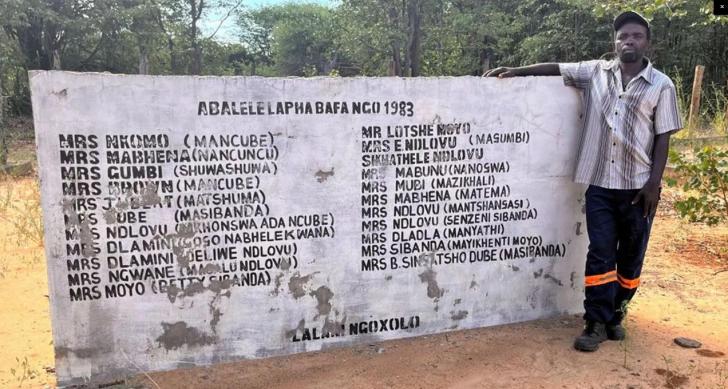
More than four decades after Zimbabwe's independence, hundreds of families living in informal settlements on the outskirts of Bulawayo say they remain trapped by the legacy of past state violence, living without secure housing, running water, sanitation or basic services while waiting for justice and permanent resettlement.
Many of the residents trace their displacement to the Gukurahundi conflict of the 1980s, while others were left homeless by Operation Murambatsvina, the nationwide demolition campaign launched in 2005. Together, they say the two episodes have left generations living in poverty and uncertainty.
Speaking from the Trenance informal settlement, 75-year-old Geoffrey Beans Mathe said his home in Lupane was destroyed during the Gukurahundi period.
The Gukurahundi campaign, carried out by the Fifth Brigade between 1983 and 1987, resulted in the deaths of thousands of civilians in Matabeleland and parts of the Midlands, according to human rights organisations, while many others were displaced.
Mathe, a former ZIPRA combatant, said he has never returned to his rural home.
"My home was burnt down together with my cattle. I was on the wanted list, wanted dead or alive, simply because I was a ZIPRA force cadre," he said.
After surviving the conflict, Mathe spent 27 years working as a teacher before retiring in 2008.
"I retired in 2008 after spending 27 years teaching. Since then I have been waiting for my pension, including the ex-combatants pension," he said.
He said the allowances he currently receives are insufficient to support his family and that repeated promises of land allocation have never materialised.
"I have been moved from one office to another being promised land by the war veterans department but to no avail," he said.
"It is so painful that I sacrificed to liberate this country and during the process lost my father, who was killed by the Rhodesian soldiers because of my involvement in the liberation struggle."
Mathe said he later contributed to nation-building as an educator but now finds himself living as a squatter.
"Our blood and sweat that we lost during the war were in vain," he said.
He fears advancing age will deny him the opportunity to ever own a permanent home.
Another resident, 70-year-old Pilate Manxeba, said he fled Nkayi after his home was destroyed during Gukurahundi and has spent years living in informal settlements.
"We have been occupying an illegal settlement for years now," Manxeba said.
"We are living in fear of being chased away any time; that trauma is haunting us. I need financial assistance to go and reconstruct my home in Nkayi."
He said many families continue to live with multiple generations in makeshift shelters.
"I have children, they are now grown up, but some of them stay with me here. They now have their own children that have never experienced a proper home set-up."
Manxeba questioned the effectiveness of the ongoing Gukurahundi community hearings being led by traditional chiefs.
"We need compensation, we need financial assistance to reconstruct our homes and start a new life. It is not wise to start digging old graves now," he said.
He added that 14 families in their section of the settlement were excluded from an earlier International Organization for Migration (IOM) resettlement programme.
Between 2012 and 2015, the IOM, working with the Bulawayo City Council and World Vision, relocated nearly 200 squatter households to New Mazwi, where beneficiaries received serviced stands, core houses and building materials. However, many vulnerable families remained behind.
For others, displacement began with Operation Murambatsvina.
Susan Tshuma, 56, said she moved to Trenance after her home in Makokoba was demolished during the 2005 operation.
Operation Murambatsvina saw authorities demolish informal homes and businesses across Zimbabwe's urban centres, displacing hundreds of thousands of people and disrupting the livelihoods of many more.
"For more than 20 years, our lives are in danger, subjected to a potential time bomb, a health hazard. We are exposed to human waste together with the unforgiving weather conditions," Tshuma said.
She said the settlement lacks toilets and running water because residents have no legal tenure.
"We do not have running water, no ablution facilities, placing us at a perennial risk of diseases such as cholera and dysentery," she said.
Tshuma survives through casual work and small-scale farming.
Bulawayo Ward 2 councillor Adrian Rendani Moyo described conditions at the settlement as inhumane.
"The conditions that these people are living in are inhumane," Moyo said.
"We are looking for a donor to relocate them to a safe place. The council is assisting them with clean water provided by a bowser."
Despite the challenges, community organisations have continued to provide support.
Themba Lesizwe Trust senior pastor Taurai Sithole said the organisation operates education, health and community development programmes for families in the settlement.
The trust currently supports about 40 children through its early childhood development programme before enrolling them in nearby primary schools.
"After completing primary school, we also take them to secondary schools where we pay school fees for them," Sithole said.
"We have also managed to drill solar-powered boreholes for one of the secondary schools. We have constructed classroom blocks and donated computers."
He said the organisation also provides vocational training by sponsoring students at Bulawayo Polytechnic College.
"We have assisted about 200 students who have graduated at the Polytechnic since we started the programme," he said.
While humanitarian organisations continue to provide education, water and other essential services, many residents say their greatest need remains permanent housing and meaningful compensation for decades of displacement.
For many families in Trenance, the trauma of Gukurahundi and Operation Murambatsvina is not simply part of Zimbabwe's history—it continues to shape their daily lives as they wait for a durable solution to displacement that has lasted for generations.
Many of the residents trace their displacement to the Gukurahundi conflict of the 1980s, while others were left homeless by Operation Murambatsvina, the nationwide demolition campaign launched in 2005. Together, they say the two episodes have left generations living in poverty and uncertainty.
Speaking from the Trenance informal settlement, 75-year-old Geoffrey Beans Mathe said his home in Lupane was destroyed during the Gukurahundi period.
The Gukurahundi campaign, carried out by the Fifth Brigade between 1983 and 1987, resulted in the deaths of thousands of civilians in Matabeleland and parts of the Midlands, according to human rights organisations, while many others were displaced.
Mathe, a former ZIPRA combatant, said he has never returned to his rural home.
"My home was burnt down together with my cattle. I was on the wanted list, wanted dead or alive, simply because I was a ZIPRA force cadre," he said.
After surviving the conflict, Mathe spent 27 years working as a teacher before retiring in 2008.
"I retired in 2008 after spending 27 years teaching. Since then I have been waiting for my pension, including the ex-combatants pension," he said.
He said the allowances he currently receives are insufficient to support his family and that repeated promises of land allocation have never materialised.
"I have been moved from one office to another being promised land by the war veterans department but to no avail," he said.
"It is so painful that I sacrificed to liberate this country and during the process lost my father, who was killed by the Rhodesian soldiers because of my involvement in the liberation struggle."
Mathe said he later contributed to nation-building as an educator but now finds himself living as a squatter.
"Our blood and sweat that we lost during the war were in vain," he said.
He fears advancing age will deny him the opportunity to ever own a permanent home.
Another resident, 70-year-old Pilate Manxeba, said he fled Nkayi after his home was destroyed during Gukurahundi and has spent years living in informal settlements.
"We have been occupying an illegal settlement for years now," Manxeba said.
"We are living in fear of being chased away any time; that trauma is haunting us. I need financial assistance to go and reconstruct my home in Nkayi."
He said many families continue to live with multiple generations in makeshift shelters.
"I have children, they are now grown up, but some of them stay with me here. They now have their own children that have never experienced a proper home set-up."
Manxeba questioned the effectiveness of the ongoing Gukurahundi community hearings being led by traditional chiefs.
"We need compensation, we need financial assistance to reconstruct our homes and start a new life. It is not wise to start digging old graves now," he said.
Between 2012 and 2015, the IOM, working with the Bulawayo City Council and World Vision, relocated nearly 200 squatter households to New Mazwi, where beneficiaries received serviced stands, core houses and building materials. However, many vulnerable families remained behind.
For others, displacement began with Operation Murambatsvina.
Susan Tshuma, 56, said she moved to Trenance after her home in Makokoba was demolished during the 2005 operation.
Operation Murambatsvina saw authorities demolish informal homes and businesses across Zimbabwe's urban centres, displacing hundreds of thousands of people and disrupting the livelihoods of many more.
"For more than 20 years, our lives are in danger, subjected to a potential time bomb, a health hazard. We are exposed to human waste together with the unforgiving weather conditions," Tshuma said.
She said the settlement lacks toilets and running water because residents have no legal tenure.
"We do not have running water, no ablution facilities, placing us at a perennial risk of diseases such as cholera and dysentery," she said.
Tshuma survives through casual work and small-scale farming.
Bulawayo Ward 2 councillor Adrian Rendani Moyo described conditions at the settlement as inhumane.
"The conditions that these people are living in are inhumane," Moyo said.
"We are looking for a donor to relocate them to a safe place. The council is assisting them with clean water provided by a bowser."
Despite the challenges, community organisations have continued to provide support.
Themba Lesizwe Trust senior pastor Taurai Sithole said the organisation operates education, health and community development programmes for families in the settlement.
The trust currently supports about 40 children through its early childhood development programme before enrolling them in nearby primary schools.
"After completing primary school, we also take them to secondary schools where we pay school fees for them," Sithole said.
"We have also managed to drill solar-powered boreholes for one of the secondary schools. We have constructed classroom blocks and donated computers."
He said the organisation also provides vocational training by sponsoring students at Bulawayo Polytechnic College.
"We have assisted about 200 students who have graduated at the Polytechnic since we started the programme," he said.
While humanitarian organisations continue to provide education, water and other essential services, many residents say their greatest need remains permanent housing and meaningful compensation for decades of displacement.
For many families in Trenance, the trauma of Gukurahundi and Operation Murambatsvina is not simply part of Zimbabwe's history—it continues to shape their daily lives as they wait for a durable solution to displacement that has lasted for generations.
Source - Southern Eye
Join the discussion
Loading comments…


