News / National
Junior MP appeals to Chivayo to donate cars
12 Jul 2026 at 15:20hrs |
0 Views
A request by a member of Zimbabwe's Junior Parliament for luxury vehicles and iPhone 17 Pro Max handsets from controversial businessman Wicknell Chivayo has sparked widespread criticism, with educationists and analysts warning that it reflects a growing culture of entitlement among young people.
The controversy erupted after the junior legislator publicly appealed to Chivayo to donate vehicles to members of the Junior Parliament, arguing that they currently rely on public transport to carry out their duties.
The request followed an earlier proposal by the same legislator that every junior parliamentarian be provided with an iPhone 17 Pro Max, claiming their current mobile phones produce poor-quality images that make it difficult to document issues affecting young people.
The appeals have generated widespread debate, with critics arguing that the requests undermine the purpose of the Junior Parliament, which was established to develop future leaders, policymakers and innovators rather than serve as a platform for seeking personal benefits.
The incident comes shortly after President Emmerson Mnangagwa officially opened the 34th Session of the Junior Parliament, during which government handed over Starlink internet kits and tablet computers to improve digital access for young legislators.
Political commentators said the requests reflected broader concerns about Zimbabwe's political culture, where influential individuals are increasingly viewed as sources of personal patronage rather than partners in national development.
Progressive Teachers Union of Zimbabwe secretary-general Raymond Majongwe described the incident as a symptom of a wider leadership crisis.
"The bottom line is that this nation is going through a serious crisis. What is happening at the top is seriously compromising and affecting the young people," Majongwe said.
"It's sad that you find a prospective leader of this country, a young parliamentarian looking for opulence and extravagance in a nation where their peers in rural areas have no learning materials, schools are not there, there is no electricity, solar, water."
He said the country's leadership was failing to inspire innovation, creativity and public service among the younger generation.
"As a leader of a union, the leadership that we are actually grooming for the next season is terribly weak, and very excitable.
"It's quite sad that this is the leadership we are creating in this country."
Amalgamated Rural Teachers Union of Zimbabwe president Obert Masaraure said the incident reflected changing attitudes among young people about success and leadership.
"The young now believe that the closest route to the top is not through hard work but being associated with those in power who can give them commodities that give them a higher social status," Masaraure said.
"The young people no longer believe in being hardworking to create wealth for society. Critical gadgets like Starlink which could make them more productive are of less value now."
He argued that a culture of dependency was replacing enterprise and innovation.
"These young people will never rise to be organic intellectuals that shape society's thinking," he said.
Educationist Mollyn Banda said children often internalise the behaviour they observe from adults in positions of influence.
"Children rarely do what we tell them to do; they do what they see us doing," Banda said.
"When young leaders, who carry the heavy responsibility of representing their peers, resort to public pleading for personal luxuries, the lessons trickling down to classroom desks are clear and devastating."
She warned that such behaviour teaches young people to equate success with acquiring expensive possessions rather than creating value through education, innovation and entrepreneurship.
"It devalues the grueling journey of education and enterprise, replacing it with a desire for immediate gratification," Banda said.
She added that using public office to seek personal favours erodes the values of dignity, hard work and merit that once underpinned Zimbabwe's reputation for academic excellence.
"As schools, colleges and communities, we must actively work to break this cycle and shift the focus back to hard work, innovation and education," Banda said.
"We must move away from theoretical textbooks and teach real, raw entrepreneurship. Experiencing the value of a dollar earned through creative problem-solving is the ultimate antidote to the desire for unearned gifts."
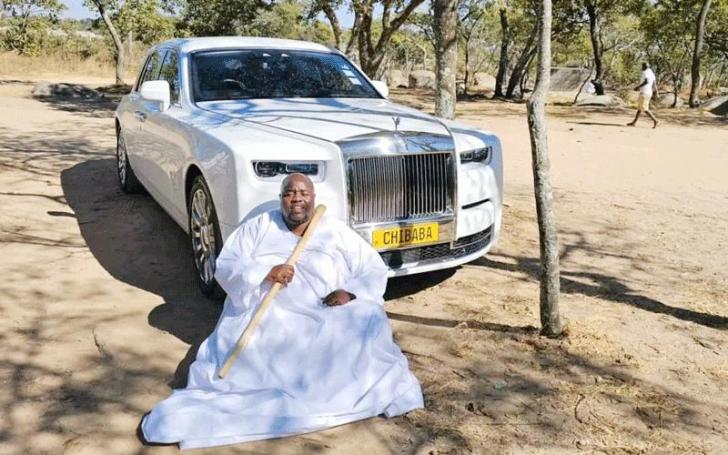
Chivayo has become well known for making high-profile donations of luxury vehicles and other expensive gifts to individuals, particularly those associated with the ruling establishment, a practice that has frequently generated public debate over patronage, accountability and the influence of wealthy politically connected business figures.
The controversy erupted after the junior legislator publicly appealed to Chivayo to donate vehicles to members of the Junior Parliament, arguing that they currently rely on public transport to carry out their duties.
The request followed an earlier proposal by the same legislator that every junior parliamentarian be provided with an iPhone 17 Pro Max, claiming their current mobile phones produce poor-quality images that make it difficult to document issues affecting young people.
The appeals have generated widespread debate, with critics arguing that the requests undermine the purpose of the Junior Parliament, which was established to develop future leaders, policymakers and innovators rather than serve as a platform for seeking personal benefits.
The incident comes shortly after President Emmerson Mnangagwa officially opened the 34th Session of the Junior Parliament, during which government handed over Starlink internet kits and tablet computers to improve digital access for young legislators.
Political commentators said the requests reflected broader concerns about Zimbabwe's political culture, where influential individuals are increasingly viewed as sources of personal patronage rather than partners in national development.
Progressive Teachers Union of Zimbabwe secretary-general Raymond Majongwe described the incident as a symptom of a wider leadership crisis.
"The bottom line is that this nation is going through a serious crisis. What is happening at the top is seriously compromising and affecting the young people," Majongwe said.
"It's sad that you find a prospective leader of this country, a young parliamentarian looking for opulence and extravagance in a nation where their peers in rural areas have no learning materials, schools are not there, there is no electricity, solar, water."
He said the country's leadership was failing to inspire innovation, creativity and public service among the younger generation.
"As a leader of a union, the leadership that we are actually grooming for the next season is terribly weak, and very excitable.
"It's quite sad that this is the leadership we are creating in this country."
Amalgamated Rural Teachers Union of Zimbabwe president Obert Masaraure said the incident reflected changing attitudes among young people about success and leadership.
"The young people no longer believe in being hardworking to create wealth for society. Critical gadgets like Starlink which could make them more productive are of less value now."
He argued that a culture of dependency was replacing enterprise and innovation.
"These young people will never rise to be organic intellectuals that shape society's thinking," he said.
Educationist Mollyn Banda said children often internalise the behaviour they observe from adults in positions of influence.
"Children rarely do what we tell them to do; they do what they see us doing," Banda said.
"When young leaders, who carry the heavy responsibility of representing their peers, resort to public pleading for personal luxuries, the lessons trickling down to classroom desks are clear and devastating."
She warned that such behaviour teaches young people to equate success with acquiring expensive possessions rather than creating value through education, innovation and entrepreneurship.
"It devalues the grueling journey of education and enterprise, replacing it with a desire for immediate gratification," Banda said.
She added that using public office to seek personal favours erodes the values of dignity, hard work and merit that once underpinned Zimbabwe's reputation for academic excellence.
"As schools, colleges and communities, we must actively work to break this cycle and shift the focus back to hard work, innovation and education," Banda said.
"We must move away from theoretical textbooks and teach real, raw entrepreneurship. Experiencing the value of a dollar earned through creative problem-solving is the ultimate antidote to the desire for unearned gifts."
Chivayo has become well known for making high-profile donations of luxury vehicles and other expensive gifts to individuals, particularly those associated with the ruling establishment, a practice that has frequently generated public debate over patronage, accountability and the influence of wealthy politically connected business figures.
Source - The Standard
Join the discussion
Loading comments…





