News / National
RBZ injects US$2.1 billion to support ZiG stability
17 Jul 2026 at 06:49hrs |
0 Views
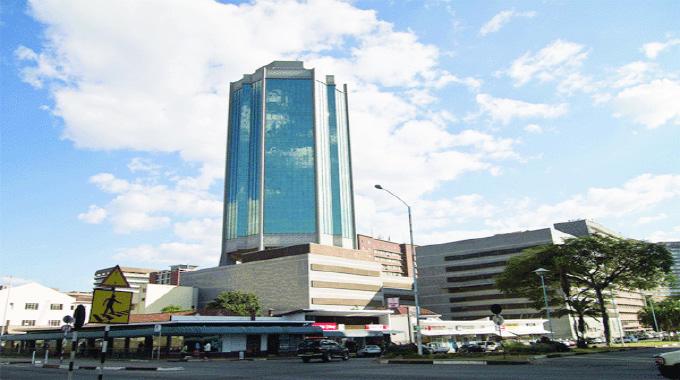
The Reserve Bank of Zimbabwe (RBZ) has injected US$2.1 billion into the foreign exchange market since April 2024 under the Willing-Buyer Willing-Seller (WBWS) trading system, underscoring the scale of official intervention used to support the Zimbabwe Gold (ZiG) currency and maintain macroeconomic stability.
RBZ Governor Dr John Mushayavanhu said the interventions have played a critical role in ensuring the smooth functioning of the foreign exchange market while helping to stabilise the exchange rate.
"Foreign exchange market interventions amounting to US$2.1 billion since April 2024 have contributed to the smooth functioning of the foreign exchange market under the WBWS arrangement," Mushayavanhu told Business Times.
The central bank periodically injects foreign currency into the interbank market to bridge temporary supply-demand imbalances, particularly during periods of heightened demand from importers in the industrial and agricultural sectors.
The intervention programme has coincided with one of Zimbabwe's longest periods of relative exchange rate and price stability in recent years.
Annual ZiG inflation stood at 4.7 percent in June 2026, while monthly inflation has averaged 0.47 percent since January, reflecting the combined effects of tight monetary policy and restrained liquidity growth.
Economist Titus Mukove said the interventions were consistent with international central banking practice, particularly during the introduction of a new currency.
"The RBZ is effectively acting as the market stabiliser of last resort. When introducing a structured currency such as the ZiG, confidence is everything," Mukove said.
He said the central bank's sustained presence in the market had discouraged speculative demand for foreign currency while reducing reliance on the parallel market.
"The interventions have filled temporary foreign currency supply gaps, prevented a sharper depreciation of the ZiG and helped contain inflation. Without that support, the economy would likely have experienced higher import costs, weaker business confidence and greater macroeconomic instability," he said.
Mukove described the strategy as an effort to establish confidence before allowing market forces to play a greater role.
"This is essentially front-loading credibility. Every successful currency reform passes through this phase. However, these interventions cannot continue indefinitely. As confidence strengthens, market fundamentals must increasingly drive exchange rate stability," he said.
The intervention strategy has also been accompanied by a significant increase in Zimbabwe's foreign currency reserves.
Economist Malone Gwadu said the foreign exchange injections formed part of a broader package of monetary measures aimed at preserving macroeconomic stability.
"The foreign exchange support complements prudent liquidity management and tighter monetary policy. Together these measures have reduced speculation, strengthened the local currency and ensured industry has continued access to foreign exchange," he said.
Economic analyst Trust Chikohora said exchange rate stability remained essential for sustained economic growth.
"Without stability you have nothing. Stable exchange rates support lower inflation, improve business planning and encourage investment. The ZiG has remained relatively stable because of these measures," he said.
Economist Brains Muchemwa said intervention in the foreign exchange market was a normal function of a central bank.
"Buying and selling foreign currency to stabilise the exchange rate is normal central banking practice. There is nothing unusual about such intervention," he said.
Zimbabwe Economics Society president Misheck Ugaro argued that the relatively modest level of monthly intervention suggested the foreign exchange market was increasingly able to meet its own funding requirements.
"The average uncovered market position is only about US$25 million a month against average monthly imports of roughly US$800 million. That indicates the market is largely meeting its own foreign currency requirements," he said.
Ugaro added that the ZiG remained undervalued largely because of confidence challenges rather than weak economic fundamentals.
"Despite selling US$2.1 billion into the market, the RBZ has continued to build reserves to US$1.6 billion. That shows the intervention programme is not placing undue strain on the country's reserve position," he said.
Not all economists, however, supported the scale of the interventions.
Economist Vince Musewe questioned whether such significant support for the local currency was warranted given the continued dominance of the US dollar in everyday transactions.
"Most transactions are still conducted in US dollars, particularly in the informal sector where the ZiG is largely used only as change. The formal sector no longer dominates economic activity, limiting the effectiveness of these interventions," he said.
Economist Tony Hawkins also expressed reservations, arguing that the resources could have generated greater long-term economic benefits if channelled into productive investment.
"The US$2 billion used to subsidise the ZiG would have delivered more tangible benefits had it been invested in infrastructure. Policymakers have opted for short-term exchange rate stability over long-term productive growth," Hawkins said.
The differing views reflect the ongoing debate over the role of central bank intervention in supporting Zimbabwe's latest currency reform, with authorities maintaining that exchange rate stability remains critical to restoring confidence, containing inflation and sustaining economic growth.
RBZ Governor Dr John Mushayavanhu said the interventions have played a critical role in ensuring the smooth functioning of the foreign exchange market while helping to stabilise the exchange rate.
"Foreign exchange market interventions amounting to US$2.1 billion since April 2024 have contributed to the smooth functioning of the foreign exchange market under the WBWS arrangement," Mushayavanhu told Business Times.
The central bank periodically injects foreign currency into the interbank market to bridge temporary supply-demand imbalances, particularly during periods of heightened demand from importers in the industrial and agricultural sectors.
The intervention programme has coincided with one of Zimbabwe's longest periods of relative exchange rate and price stability in recent years.
Annual ZiG inflation stood at 4.7 percent in June 2026, while monthly inflation has averaged 0.47 percent since January, reflecting the combined effects of tight monetary policy and restrained liquidity growth.
Economist Titus Mukove said the interventions were consistent with international central banking practice, particularly during the introduction of a new currency.
"The RBZ is effectively acting as the market stabiliser of last resort. When introducing a structured currency such as the ZiG, confidence is everything," Mukove said.
He said the central bank's sustained presence in the market had discouraged speculative demand for foreign currency while reducing reliance on the parallel market.
"The interventions have filled temporary foreign currency supply gaps, prevented a sharper depreciation of the ZiG and helped contain inflation. Without that support, the economy would likely have experienced higher import costs, weaker business confidence and greater macroeconomic instability," he said.
Mukove described the strategy as an effort to establish confidence before allowing market forces to play a greater role.
"This is essentially front-loading credibility. Every successful currency reform passes through this phase. However, these interventions cannot continue indefinitely. As confidence strengthens, market fundamentals must increasingly drive exchange rate stability," he said.
The intervention strategy has also been accompanied by a significant increase in Zimbabwe's foreign currency reserves.
Economist Malone Gwadu said the foreign exchange injections formed part of a broader package of monetary measures aimed at preserving macroeconomic stability.
"The foreign exchange support complements prudent liquidity management and tighter monetary policy. Together these measures have reduced speculation, strengthened the local currency and ensured industry has continued access to foreign exchange," he said.
Economic analyst Trust Chikohora said exchange rate stability remained essential for sustained economic growth.
"Without stability you have nothing. Stable exchange rates support lower inflation, improve business planning and encourage investment. The ZiG has remained relatively stable because of these measures," he said.
Economist Brains Muchemwa said intervention in the foreign exchange market was a normal function of a central bank.
"Buying and selling foreign currency to stabilise the exchange rate is normal central banking practice. There is nothing unusual about such intervention," he said.
Zimbabwe Economics Society president Misheck Ugaro argued that the relatively modest level of monthly intervention suggested the foreign exchange market was increasingly able to meet its own funding requirements.
"The average uncovered market position is only about US$25 million a month against average monthly imports of roughly US$800 million. That indicates the market is largely meeting its own foreign currency requirements," he said.
Ugaro added that the ZiG remained undervalued largely because of confidence challenges rather than weak economic fundamentals.
"Despite selling US$2.1 billion into the market, the RBZ has continued to build reserves to US$1.6 billion. That shows the intervention programme is not placing undue strain on the country's reserve position," he said.
Not all economists, however, supported the scale of the interventions.
Economist Vince Musewe questioned whether such significant support for the local currency was warranted given the continued dominance of the US dollar in everyday transactions.
"Most transactions are still conducted in US dollars, particularly in the informal sector where the ZiG is largely used only as change. The formal sector no longer dominates economic activity, limiting the effectiveness of these interventions," he said.
Economist Tony Hawkins also expressed reservations, arguing that the resources could have generated greater long-term economic benefits if channelled into productive investment.
"The US$2 billion used to subsidise the ZiG would have delivered more tangible benefits had it been invested in infrastructure. Policymakers have opted for short-term exchange rate stability over long-term productive growth," Hawkins said.
The differing views reflect the ongoing debate over the role of central bank intervention in supporting Zimbabwe's latest currency reform, with authorities maintaining that exchange rate stability remains critical to restoring confidence, containing inflation and sustaining economic growth.
Source - Business Times
Join the discussion
Loading comments…



