News / National
NRZ, BBR launch lithium rail exports to Maputo Port
25 Jul 2026 at 17:47hrs |
0 Views
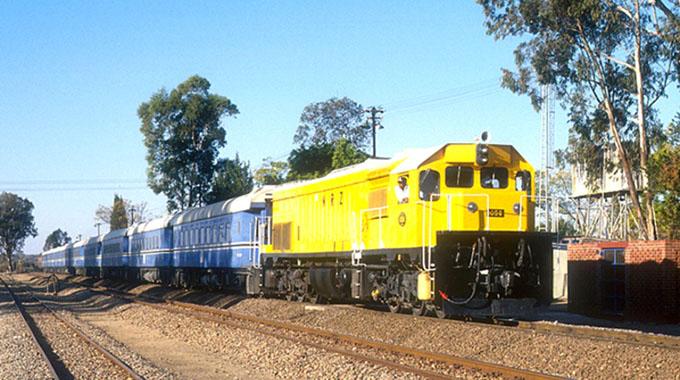
The National Railways of Zimbabwe (NRZ), in partnership with Beitbridge Bulawayo Railway (BBR), has commenced transporting lithium concentrate from Gwanda Lithium Mine to the Port of Maputo in Mozambique for export, marking a significant step in expanding the movement of bulk minerals by rail.
The inaugural freight train carrying 1,000 tonnes of lithium concentrate departed from the newly commissioned BBR West Nicholson siding on Tuesday.
Under the arrangement, BBR will transport the cargo along its 180-kilometre railway line between Gwanda and Beitbridge, where it will be handed over to NRZ for the onward journey of more than 300 kilometres to Chicualacuala on the Zimbabwe-Mozambique border before continuing to the Port of Maputo.
In a statement, NRZ said the development underscores the strategic importance of rail transport in supporting Zimbabwe's mining industry and facilitating access to regional and international export markets.
"The NRZ has, in partnership with Beitbridge Bulawayo Railway, started transporting lithium concentrate from Gwanda Lithium Mine to Maputo Port for export. The first train carrying 1,000 tonnes of lithium concentrate departed the newly commissioned BBR West Nicholson siding," the railway operator said.
NRZ reiterated its commitment to strengthening rail as the preferred mode of transport for bulk commodities, saying an efficient freight network is essential to supporting Zimbabwe's economic growth.
"NRZ is fully committed to ensuring it plays its role as a bulk commodity transporter, thereby ensuring the country's ongoing economic development does not slow down," the statement said.
The shift to rail is expected to ease congestion on the country's highways by reducing the number of heavy trucks transporting minerals, while also lowering road maintenance costs and improving road safety.
Rail transport also offers lower logistics costs for bulk cargo, reduced carbon emissions and a more efficient means of moving large volumes of minerals to export markets.
The development comes as Zimbabwe seeks to increase mineral exports and improve transport infrastructure to support growing production from its lithium sector, with rail expected to play an increasingly important role in enhancing the competitiveness of the country's mining industry.
The inaugural freight train carrying 1,000 tonnes of lithium concentrate departed from the newly commissioned BBR West Nicholson siding on Tuesday.
Under the arrangement, BBR will transport the cargo along its 180-kilometre railway line between Gwanda and Beitbridge, where it will be handed over to NRZ for the onward journey of more than 300 kilometres to Chicualacuala on the Zimbabwe-Mozambique border before continuing to the Port of Maputo.
In a statement, NRZ said the development underscores the strategic importance of rail transport in supporting Zimbabwe's mining industry and facilitating access to regional and international export markets.
"The NRZ has, in partnership with Beitbridge Bulawayo Railway, started transporting lithium concentrate from Gwanda Lithium Mine to Maputo Port for export. The first train carrying 1,000 tonnes of lithium concentrate departed the newly commissioned BBR West Nicholson siding," the railway operator said.
"NRZ is fully committed to ensuring it plays its role as a bulk commodity transporter, thereby ensuring the country's ongoing economic development does not slow down," the statement said.
The shift to rail is expected to ease congestion on the country's highways by reducing the number of heavy trucks transporting minerals, while also lowering road maintenance costs and improving road safety.
Rail transport also offers lower logistics costs for bulk cargo, reduced carbon emissions and a more efficient means of moving large volumes of minerals to export markets.
The development comes as Zimbabwe seeks to increase mineral exports and improve transport infrastructure to support growing production from its lithium sector, with rail expected to play an increasingly important role in enhancing the competitiveness of the country's mining industry.
Source - NewZiana
Join the discussion
Loading comments…


