News / National
Sikhala raises alarm over Mozambique rights crisis
14 Sep 2026 at 19:18hrs |
1020 Views
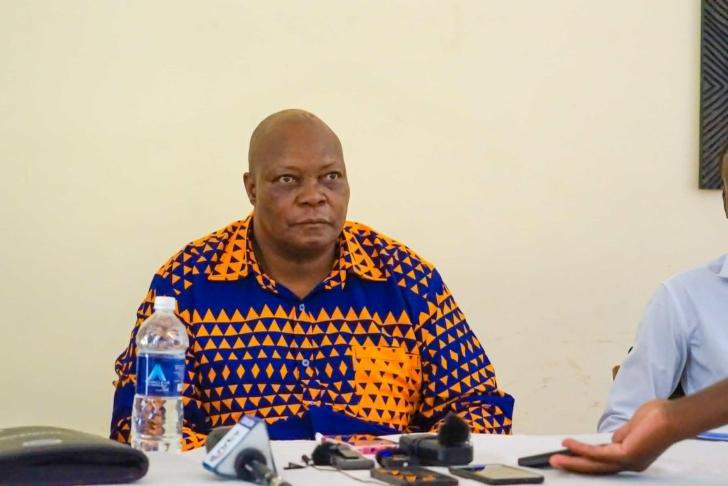
Zimbabwean opposition politician Job Sikhala has raised concern over what he described as a deteriorating human rights situation in Mozambique, following an appeal by opposition leader Venâncio Mondlane for international intervention over alleged political persecution, violence and suppression of democratic opposition.
Sikhala said he had received "very sad and horrible news" from Mondlane, whom he described as his brother and friend, as the Mozambican opposition leader sought to draw international attention to alleged abuses in the country.
In a message to Sikhala, Mondlane alleged that the situation in Mozambique was worsening daily and claimed that members of his party were being assassinated.
He further alleged that a witness who was expected to testify in his favour at a Supreme Court trial scheduled for October had been kidnapped and murdered.
"Good morning, dear brother Job Sikhala! I believe all is well with you and your family! … The situation in my country is getting worse every day. Besides the ongoing assassinations of members of my party, two days ago they kidnapped and murdered a witness who was to testify in my favour at my trial in the Supreme Court in October," Mondlane wrote.
Mondlane, president of the ANAMOLA party and a leading opposition figure, said he had documented Mozambique's political and human rights situation over the past two decades, including developments surrounding the current crisis.
He appealed to Sikhala to help disseminate the information through strategic regional and international forums.
In a document titled Beneath the Economic Opportunity Façade: The Unseen Human Rights and Constitutional Crisis in Mozambique, Mondlane called for intervention by international legal, human rights and diplomatic institutions, including the International Bar Association, Amnesty International, Human Rights Watch, the United Nations High Commissioner for Human Rights, the African Commission on Human and Peoples' Rights and the Southern African Development Community (Sadc).
Mondlane argues that Mozambique's image as a destination for liquefied natural gas and other investments has obscured what he describes as a deepening humanitarian and constitutional crisis.
"As president of the ANAMOLA party, I submit this formal legal and human rights appeal to expose the realities behind Mozambique's political landscape. This communication documents what ANAMOLA regards as an escalating pattern of grave human rights violations, systematic political persecution and the weaponisation of the judicial system in the wake of the disputed 2024 general elections," he said.
The appeal alleges that opposition politicians, civil society representatives, journalists and civilian supporters have faced violence, intimidation and persecution following the disputed 2024 elections.
Mondlane also claims that reports submitted to the Public Prosecutor's Office and Ministry of Interior over more than a year have gone unanswered.
He says his appeal documents more than 42 cases of violence between March 2025 and July 2026 and cites at least 57 reported deaths since July 2026. The figures and allegations contained in the appeal could not be independently verified.
Mondlane is calling for permanent human rights monitoring, independent investigative missions, public condemnation of alleged violations, judicial proceedings involving opposition leaders, protection of victims and witnesses and greater accountability.
The crisis follows Mozambique's October 9, 2024 presidential election, in which ruling Frelimo candidate Daniel Chapo was declared the winner ahead of Mondlane, who was then backed by the opposition Podemos party.
Mondlane rejected the results, alleging electoral fraud, triggering nationwide protests. Chapo was sworn in as president on January 15, 2025, amid continuing opposition protests and heightened security in Maputo.
Frelimo, which has governed Mozambique since independence in 1975, retained power.
The post-election unrest has been accompanied by allegations of excessive use of force, arbitrary arrests, enforced disappearances and politically motivated killings.
Human Rights Watch reported in April 2025 that unidentified gunmen, some wearing security-force uniforms, had killed at least 10 key opposition party officials between October 2024 and March 2025. The organisation said authorities had failed to credibly investigate the killings or provide updates on the investigations.
Amnesty International, in a separate report published in April 2025, said civil society group Plataforma DECIDE had recorded about 315 deaths and more than 3,000 injuries linked to protests between October 21, 2024 and January 16, 2025.
The organisation documented allegations of unlawful use of force, mass arbitrary arrests and restrictions on access to information.
The reported death tolls have varied between Government, civil society groups and international organisations, but the scale of the allegations has intensified calls for credible investigations and accountability.
The unrest has also fuelled wider concerns about democratic governance and human rights in southern Africa, particularly over disputed elections, restrictions on civic freedoms, political intimidation and the alleged use of security forces against protesters.
Human Rights Watch has previously urged Sadc to publicly condemn alleged security-force violence in Mozambique and ensure that regional responses to electoral disputes also address alleged abuses against civilians.
Sikhala said he had received "very sad and horrible news" from Mondlane, whom he described as his brother and friend, as the Mozambican opposition leader sought to draw international attention to alleged abuses in the country.
In a message to Sikhala, Mondlane alleged that the situation in Mozambique was worsening daily and claimed that members of his party were being assassinated.
He further alleged that a witness who was expected to testify in his favour at a Supreme Court trial scheduled for October had been kidnapped and murdered.
"Good morning, dear brother Job Sikhala! I believe all is well with you and your family! … The situation in my country is getting worse every day. Besides the ongoing assassinations of members of my party, two days ago they kidnapped and murdered a witness who was to testify in my favour at my trial in the Supreme Court in October," Mondlane wrote.
Mondlane, president of the ANAMOLA party and a leading opposition figure, said he had documented Mozambique's political and human rights situation over the past two decades, including developments surrounding the current crisis.
He appealed to Sikhala to help disseminate the information through strategic regional and international forums.
In a document titled Beneath the Economic Opportunity Façade: The Unseen Human Rights and Constitutional Crisis in Mozambique, Mondlane called for intervention by international legal, human rights and diplomatic institutions, including the International Bar Association, Amnesty International, Human Rights Watch, the United Nations High Commissioner for Human Rights, the African Commission on Human and Peoples' Rights and the Southern African Development Community (Sadc).
Mondlane argues that Mozambique's image as a destination for liquefied natural gas and other investments has obscured what he describes as a deepening humanitarian and constitutional crisis.
"As president of the ANAMOLA party, I submit this formal legal and human rights appeal to expose the realities behind Mozambique's political landscape. This communication documents what ANAMOLA regards as an escalating pattern of grave human rights violations, systematic political persecution and the weaponisation of the judicial system in the wake of the disputed 2024 general elections," he said.
The appeal alleges that opposition politicians, civil society representatives, journalists and civilian supporters have faced violence, intimidation and persecution following the disputed 2024 elections.
Mondlane also claims that reports submitted to the Public Prosecutor's Office and Ministry of Interior over more than a year have gone unanswered.
Mondlane is calling for permanent human rights monitoring, independent investigative missions, public condemnation of alleged violations, judicial proceedings involving opposition leaders, protection of victims and witnesses and greater accountability.
The crisis follows Mozambique's October 9, 2024 presidential election, in which ruling Frelimo candidate Daniel Chapo was declared the winner ahead of Mondlane, who was then backed by the opposition Podemos party.
Mondlane rejected the results, alleging electoral fraud, triggering nationwide protests. Chapo was sworn in as president on January 15, 2025, amid continuing opposition protests and heightened security in Maputo.
Frelimo, which has governed Mozambique since independence in 1975, retained power.
The post-election unrest has been accompanied by allegations of excessive use of force, arbitrary arrests, enforced disappearances and politically motivated killings.
Human Rights Watch reported in April 2025 that unidentified gunmen, some wearing security-force uniforms, had killed at least 10 key opposition party officials between October 2024 and March 2025. The organisation said authorities had failed to credibly investigate the killings or provide updates on the investigations.
Amnesty International, in a separate report published in April 2025, said civil society group Plataforma DECIDE had recorded about 315 deaths and more than 3,000 injuries linked to protests between October 21, 2024 and January 16, 2025.
The organisation documented allegations of unlawful use of force, mass arbitrary arrests and restrictions on access to information.
The reported death tolls have varied between Government, civil society groups and international organisations, but the scale of the allegations has intensified calls for credible investigations and accountability.
The unrest has also fuelled wider concerns about democratic governance and human rights in southern Africa, particularly over disputed elections, restrictions on civic freedoms, political intimidation and the alleged use of security forces against protesters.
Human Rights Watch has previously urged Sadc to publicly condemn alleged security-force violence in Mozambique and ensure that regional responses to electoral disputes also address alleged abuses against civilians.
Source - Newsday
Join the discussion
Loading comments…





