News / National
Fuel companies begin selling in ZiG
01 Nov 2026 at 18:19hrs |
1916 Views
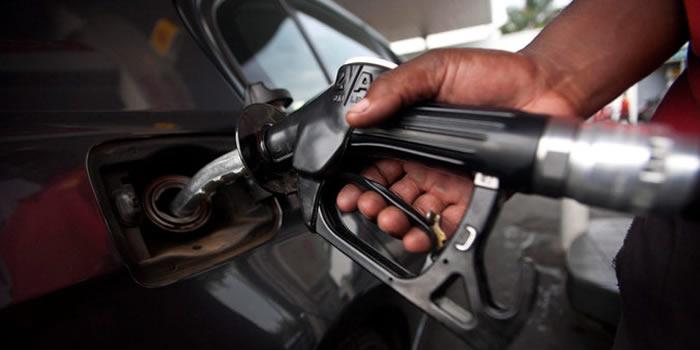
Fuel companies in Zimbabwe have started selling petroleum products in Zimbabwe Gold (ZiG), although transactions remain largely restricted to bulk purchases as suppliers seek local currency to meet their statutory tax obligations.
Reserve Bank of Zimbabwe (RBZ) Deputy Governor Dr Innocent Matshe revealed the development during the 2027 Pre-Budget Seminar in Bulawayo, saying some fuel distributors were increasingly accepting ZiG payments from wholesale customers while continuing to sell fuel in United States dollars at retail outlets.
The move comes as the Government considers proposals to maintain fuel subsidies aimed at keeping pump prices below US$2 per litre and reducing production costs across key economic sectors.
Dr Matshe explained that fuel companies receiving most of their revenue in US dollars were finding it necessary to generate ZiG to settle their Quarterly Payment Date (QPD) tax obligations.
"You will realise that there are some fuel companies today that are selling fuel in ZiG. Unfortunately, they are only selling it in bulk," he said.
"Why, you may ask? It's because these companies, they do not want to put this fuel in the pump, but they also need this ZiG for their QPD payments."
He said the arrangement allowed fuel distributors to obtain local currency without immediately extending ZiG transactions to ordinary motorists at service stations.
"If they are receiving payments in US dollars and they are required to pay QPD in ZiG, they need to find a way of generating that ZiG," Dr Matshe said.
"So what they have opted to do in the interim is to sell it in wholesale in ZiG."
The development highlights the growing role of statutory payment requirements in creating demand for the local currency in Zimbabwe's predominantly US dollar-driven economy.
Although wholesale fuel transactions in ZiG represent a step towards wider acceptance of the currency, motorists are yet to benefit significantly from the arrangement because most retail fuel sales remain denominated in foreign currency.
Expanding ZiG fuel sales to service station pumps could provide consumers and businesses with additional payment options while strengthening the local currency's use in everyday commercial transactions.
Meanwhile, Parliament's Budget, Finance and Investment Promotion Committee chairperson Lincoln Dhliwayo said proposals had been submitted for the Government to continue subsidising fuel to cushion businesses and consumers against rising operating costs.
"There was a proposal to ensure that the Government continues to subsidise our fuel so that it is made below two dollars, so that at least the cost of production and also the cost to consumers is somehow reduced," Dhliwayo said.
Fuel prices remain a major factor influencing production costs in Zimbabwe, particularly in agriculture, mining, manufacturing, transport and logistics.
Farmers depend on diesel for land preparation, irrigation equipment and transporting produce to markets, while mining companies require substantial fuel supplies to operate machinery and move minerals.
Manufacturers and transport operators also face significant fuel-related expenses, which are often passed on to consumers through higher prices for goods and services.
Keeping fuel prices below US$2 per litre could therefore provide relief to businesses and help contain inflationary pressures, although the financial implications of maintaining subsidies would need to be considered against other national budget priorities.
The proposal remains under consideration, with no final decision announced on the continuation, structure or funding of the proposed subsidies.
As preparations for the 2027 National Budget gather momentum, policymakers face the challenge of encouraging greater use of ZiG while ensuring that energy costs remain affordable enough to support economic growth.
The emergence of ZiG-denominated wholesale fuel transactions could signal a gradual shift towards broader local currency acceptance, particularly if fuel distributors eventually extend the arrangement to retail customers.
Reserve Bank of Zimbabwe (RBZ) Deputy Governor Dr Innocent Matshe revealed the development during the 2027 Pre-Budget Seminar in Bulawayo, saying some fuel distributors were increasingly accepting ZiG payments from wholesale customers while continuing to sell fuel in United States dollars at retail outlets.
The move comes as the Government considers proposals to maintain fuel subsidies aimed at keeping pump prices below US$2 per litre and reducing production costs across key economic sectors.
Dr Matshe explained that fuel companies receiving most of their revenue in US dollars were finding it necessary to generate ZiG to settle their Quarterly Payment Date (QPD) tax obligations.
"You will realise that there are some fuel companies today that are selling fuel in ZiG. Unfortunately, they are only selling it in bulk," he said.
"Why, you may ask? It's because these companies, they do not want to put this fuel in the pump, but they also need this ZiG for their QPD payments."
He said the arrangement allowed fuel distributors to obtain local currency without immediately extending ZiG transactions to ordinary motorists at service stations.
"If they are receiving payments in US dollars and they are required to pay QPD in ZiG, they need to find a way of generating that ZiG," Dr Matshe said.
"So what they have opted to do in the interim is to sell it in wholesale in ZiG."
The development highlights the growing role of statutory payment requirements in creating demand for the local currency in Zimbabwe's predominantly US dollar-driven economy.
Expanding ZiG fuel sales to service station pumps could provide consumers and businesses with additional payment options while strengthening the local currency's use in everyday commercial transactions.
Meanwhile, Parliament's Budget, Finance and Investment Promotion Committee chairperson Lincoln Dhliwayo said proposals had been submitted for the Government to continue subsidising fuel to cushion businesses and consumers against rising operating costs.
"There was a proposal to ensure that the Government continues to subsidise our fuel so that it is made below two dollars, so that at least the cost of production and also the cost to consumers is somehow reduced," Dhliwayo said.
Fuel prices remain a major factor influencing production costs in Zimbabwe, particularly in agriculture, mining, manufacturing, transport and logistics.
Farmers depend on diesel for land preparation, irrigation equipment and transporting produce to markets, while mining companies require substantial fuel supplies to operate machinery and move minerals.
Manufacturers and transport operators also face significant fuel-related expenses, which are often passed on to consumers through higher prices for goods and services.
Keeping fuel prices below US$2 per litre could therefore provide relief to businesses and help contain inflationary pressures, although the financial implications of maintaining subsidies would need to be considered against other national budget priorities.
The proposal remains under consideration, with no final decision announced on the continuation, structure or funding of the proposed subsidies.
As preparations for the 2027 National Budget gather momentum, policymakers face the challenge of encouraging greater use of ZiG while ensuring that energy costs remain affordable enough to support economic growth.
The emergence of ZiG-denominated wholesale fuel transactions could signal a gradual shift towards broader local currency acceptance, particularly if fuel distributors eventually extend the arrangement to retail customers.
Source - Sunday News
Join the discussion
Loading comments…