News / Regional
Mnangagwa faces global backlash over CAA3?
16 Aug 2026 at 18:29hrs |
0 Views
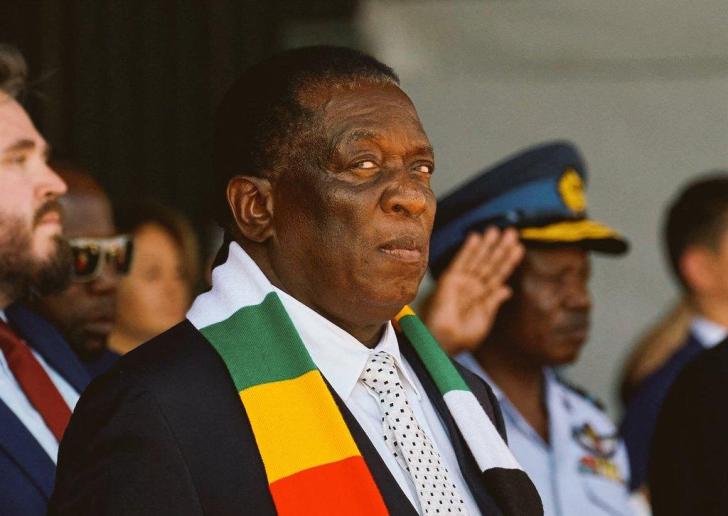
The extension of President Emmerson Mnangagwa's tenure has opened a new front in Zimbabwe's political crisis, with international voices calling on Western governments to consider renewed targeted sanctions against the Zanu-PF leader over what they describe as a dangerous attempt to consolidate power.
Mnangagwa signed Constitutional Amendment Act Number 3 (CAA3) into law in July, introducing major changes to the country's electoral and constitutional framework.
The amendments extend the presidential term by at least two years and abolish direct presidential elections, changes that have been condemned by opposition parties and civic society groups as a "constitutional coup".
The legislation was passed without a referendum.
The Government has also moved to block planned demonstrations against the amendments, while opposition and civic society leaders have alleged increased surveillance and intimidation by state security agencies.
Mnangagwa's current term was originally expected to end in 2028.
However, pressure from within Zanu-PF for further constitutional changes to extend his tenure from 2028 to 2037 has intensified, raising concerns among opposition parties and reportedly causing unease within sections of the ruling party itself.
Alexander Noyes, a visiting scholar at the University of Pennsylvania's Penn Washington, has urged the United States Congress and other Western governments to increase pressure on Mnangagwa.
Writing in the Journal of Democracy, Noyes described the developments as "a dangerous power grab" and argued that Western governments should consider targeted sanctions if the Government proceeds with further attempts to extend Mnangagwa's tenure.
"Because the United States under the Trump administration abruptly abandoned the decades-long, bipartisan consensus on global democracy promotion, Europe and the United Kingdom, in particular, will need to rally Western democracies and threaten the reimposition of the targeted sanctions that were lifted after Mugabe's fall," Noyes argued.
He also called on supporters of democracy in the US Congress to tighten existing measures and encourage America's allies to follow suit.
Noyes argued that a combination of domestic pressure, divisions within the military and coordinated international pressure could force Mnangagwa to reconsider the constitutional changes or agree to submit them to a referendum.
He warned that Zimbabwe's military remains the "ultimate arbiter of power", while criticising the international community's response to the events surrounding the 2017 removal of former President Robert Mugabe.
"Regional and international actors dropped the ball on their response to Zimbabwe's 2017 military coup," he wrote.
"After decades of Mugabe's misrule and toxic outside relations, they nearly unanimously refused to call the coup a coup, and did not sanction the coupmakers or push for a transitional government."
The calls come against a backdrop of significant changes in the international sanctions regime against Zimbabwe.
The European Council renewed its arms embargo on Zimbabwe in February 2026 until 20 February 2027, while lifting remaining travel bans and asset freezes. The EU's restrictive measures now consist solely of an arms embargo.
The United States, meanwhile, terminated its longstanding Zimbabwe sanctions programme in March 2024, replacing it with targeted Global Magnitsky sanctions against Mnangagwa and 10 other individuals over allegations involving corruption and serious human rights abuses.
The return of Donald Trump to the White House has subsequently introduced another dimension to US-Zimbabwe relations, including an 18% reciprocal tariff imposed on Zimbabwean goods in June 2026.
Noyes' proposal for renewed pressure would therefore represent another significant shift in Western policy towards Harare.
The constitutional changes have also fuelled speculation about the succession battle within Zanu-PF.
Political observers have linked efforts to extend Mnangagwa's tenure to 2030 or beyond to attempts to prevent his deputy, Constantino Chiwenga, from succeeding him.
Mnangagwa previously said he was a constitutionalist and would persuade members of Zanu-PF to abandon campaigns to extend his tenure.
He later described the so-called 2030 agenda as a collective decision of the ruling party.
CAA3 is currently being challenged before Zimbabwe's Constitutional Court, meaning the legal status and long-term political implications of the amendments remain subject to judicial scrutiny.
The growing international criticism adds another layer to an increasingly contentious domestic debate over presidential succession, constitutional reform and the future of Zimbabwe's electoral system.
Mnangagwa signed Constitutional Amendment Act Number 3 (CAA3) into law in July, introducing major changes to the country's electoral and constitutional framework.
The amendments extend the presidential term by at least two years and abolish direct presidential elections, changes that have been condemned by opposition parties and civic society groups as a "constitutional coup".
The legislation was passed without a referendum.
The Government has also moved to block planned demonstrations against the amendments, while opposition and civic society leaders have alleged increased surveillance and intimidation by state security agencies.
Mnangagwa's current term was originally expected to end in 2028.
However, pressure from within Zanu-PF for further constitutional changes to extend his tenure from 2028 to 2037 has intensified, raising concerns among opposition parties and reportedly causing unease within sections of the ruling party itself.
Alexander Noyes, a visiting scholar at the University of Pennsylvania's Penn Washington, has urged the United States Congress and other Western governments to increase pressure on Mnangagwa.
Writing in the Journal of Democracy, Noyes described the developments as "a dangerous power grab" and argued that Western governments should consider targeted sanctions if the Government proceeds with further attempts to extend Mnangagwa's tenure.
"Because the United States under the Trump administration abruptly abandoned the decades-long, bipartisan consensus on global democracy promotion, Europe and the United Kingdom, in particular, will need to rally Western democracies and threaten the reimposition of the targeted sanctions that were lifted after Mugabe's fall," Noyes argued.
He also called on supporters of democracy in the US Congress to tighten existing measures and encourage America's allies to follow suit.
Noyes argued that a combination of domestic pressure, divisions within the military and coordinated international pressure could force Mnangagwa to reconsider the constitutional changes or agree to submit them to a referendum.
He warned that Zimbabwe's military remains the "ultimate arbiter of power", while criticising the international community's response to the events surrounding the 2017 removal of former President Robert Mugabe.
"Regional and international actors dropped the ball on their response to Zimbabwe's 2017 military coup," he wrote.
"After decades of Mugabe's misrule and toxic outside relations, they nearly unanimously refused to call the coup a coup, and did not sanction the coupmakers or push for a transitional government."
The calls come against a backdrop of significant changes in the international sanctions regime against Zimbabwe.
The European Council renewed its arms embargo on Zimbabwe in February 2026 until 20 February 2027, while lifting remaining travel bans and asset freezes. The EU's restrictive measures now consist solely of an arms embargo.
The United States, meanwhile, terminated its longstanding Zimbabwe sanctions programme in March 2024, replacing it with targeted Global Magnitsky sanctions against Mnangagwa and 10 other individuals over allegations involving corruption and serious human rights abuses.
The return of Donald Trump to the White House has subsequently introduced another dimension to US-Zimbabwe relations, including an 18% reciprocal tariff imposed on Zimbabwean goods in June 2026.
Noyes' proposal for renewed pressure would therefore represent another significant shift in Western policy towards Harare.
The constitutional changes have also fuelled speculation about the succession battle within Zanu-PF.
Political observers have linked efforts to extend Mnangagwa's tenure to 2030 or beyond to attempts to prevent his deputy, Constantino Chiwenga, from succeeding him.
Mnangagwa previously said he was a constitutionalist and would persuade members of Zanu-PF to abandon campaigns to extend his tenure.
He later described the so-called 2030 agenda as a collective decision of the ruling party.
CAA3 is currently being challenged before Zimbabwe's Constitutional Court, meaning the legal status and long-term political implications of the amendments remain subject to judicial scrutiny.
The growing international criticism adds another layer to an increasingly contentious domestic debate over presidential succession, constitutional reform and the future of Zimbabwe's electoral system.
Source - The Standard
Join the discussion
Loading comments…





