Opinion / Columnist
From Republic to Kingdom: Is Zimbabwe asking the wrong Constitutional question?
29 Jul 2026 at 13:06hrs |
0 Views
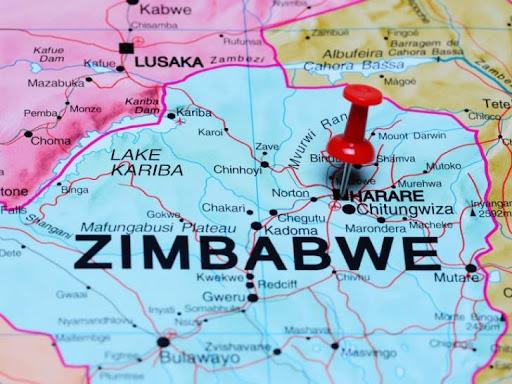
For nearly half a century, Zimbabwe has pursued the republican model inherited at independence, hoping that constitutional amendments, elections and successive governments would eventually deliver prosperity, accountability and national renewal.
Yet after decades of political instability, economic crises, corruption and institutional decline, an uncomfortable question continues to surface: What if the problem is not simply who governs, but the system itself?
This is not an argument against democracy or the right of citizens to choose their leaders. Rather, it is an invitation to question assumptions that many have come to regard as untouchable.
Challenging Political Orthodoxy
Modern politics often treats democracy as beyond criticism, constitutions as sacred texts and republics as the inevitable destination of every nation.
History suggests otherwise.
Constitutions are human creations. They are designed to serve societies, not the other way around. When institutions repeatedly fail to produce stability, prosperity or public trust, citizens are entitled to debate whether those institutions remain fit for purpose.
Zimbabwe has amended its constitutional arrangements several times since independence, yet many of the country's structural challenges persist.
That reality raises a legitimate question: should constitutional reform focus only on improving the existing republic, or should entirely different governance models also be open for discussion?
Looking Beyond the Republic
Many of the world's oldest and most stable states are constitutional monarchies.
The United Kingdom has maintained institutional continuity for centuries despite frequent changes of government.
Japan combines an ancient imperial institution with one of the world's largest economies.
Morocco weathered the Arab Spring more successfully than several neighbouring republics.
Bhutan has attracted international attention for placing social wellbeing alongside economic development.
Spain's constitutional monarchy helped oversee the country's democratic transition following the Franco era.
The United Arab Emirates demonstrates how traditional hereditary leadership can coexist with rapid economic transformation, although it operates under a political system very different from liberal democracies.
These examples do not prove that monarchies are inherently superior. Many monarchies have failed, just as many republics have succeeded.
What they do demonstrate is that political legitimacy can emerge from different constitutional traditions.
Zimbabwe's Forgotten Institutions
Long before colonial borders and imported constitutions, Zimbabwe's communities were organised under indigenous systems of governance led by kings, chiefs and traditional authorities.
These institutions were not perfect, nor were they uniform. But they provided continuity, identity and legitimacy rooted in local history rather than foreign constitutional models.
The Lancaster House Agreement created the legal framework for Zimbabwe's transition to independence. It was an essential political settlement for its time, but it was negotiated within the realities of decolonisation and Cold War geopolitics.
Whether that settlement remains the best constitutional foundation for future generations is a question that citizens have every right to debate.
A Debate Worth Having
Suggesting that Zimbabwe should examine alternative constitutional models—including forms of monarchy—is certain to provoke disagreement.
Some will argue that stronger institutions, independent courts and better governance are more important than the form of the state itself.
Others may believe that restoring or strengthening traditional institutions could provide a greater sense of national continuity and reduce political polarisation.
Neither position should be dismissed without serious discussion.
Healthy societies do not fear constitutional debate. They encourage it.
If forty-six years of republican government have left many Zimbabweans questioning the country's political direction, then perhaps the most important question is not whether the republic has failed, but whether Zimbabwe is willing to imagine constitutional possibilities beyond the models it inherited.
Whether the answer lies in a renewed republic, a constitutional monarchy, or another uniquely Zimbabwean arrangement should ultimately be determined through broad national dialogue and the freely expressed will of the Zimbabwean people.
Yet after decades of political instability, economic crises, corruption and institutional decline, an uncomfortable question continues to surface: What if the problem is not simply who governs, but the system itself?
This is not an argument against democracy or the right of citizens to choose their leaders. Rather, it is an invitation to question assumptions that many have come to regard as untouchable.
Challenging Political Orthodoxy
Modern politics often treats democracy as beyond criticism, constitutions as sacred texts and republics as the inevitable destination of every nation.
History suggests otherwise.
Constitutions are human creations. They are designed to serve societies, not the other way around. When institutions repeatedly fail to produce stability, prosperity or public trust, citizens are entitled to debate whether those institutions remain fit for purpose.
Zimbabwe has amended its constitutional arrangements several times since independence, yet many of the country's structural challenges persist.
That reality raises a legitimate question: should constitutional reform focus only on improving the existing republic, or should entirely different governance models also be open for discussion?
Looking Beyond the Republic
Many of the world's oldest and most stable states are constitutional monarchies.
The United Kingdom has maintained institutional continuity for centuries despite frequent changes of government.
Japan combines an ancient imperial institution with one of the world's largest economies.
Morocco weathered the Arab Spring more successfully than several neighbouring republics.
Bhutan has attracted international attention for placing social wellbeing alongside economic development.
Spain's constitutional monarchy helped oversee the country's democratic transition following the Franco era.
These examples do not prove that monarchies are inherently superior. Many monarchies have failed, just as many republics have succeeded.
What they do demonstrate is that political legitimacy can emerge from different constitutional traditions.
Zimbabwe's Forgotten Institutions
Long before colonial borders and imported constitutions, Zimbabwe's communities were organised under indigenous systems of governance led by kings, chiefs and traditional authorities.
These institutions were not perfect, nor were they uniform. But they provided continuity, identity and legitimacy rooted in local history rather than foreign constitutional models.
The Lancaster House Agreement created the legal framework for Zimbabwe's transition to independence. It was an essential political settlement for its time, but it was negotiated within the realities of decolonisation and Cold War geopolitics.
Whether that settlement remains the best constitutional foundation for future generations is a question that citizens have every right to debate.
A Debate Worth Having
Suggesting that Zimbabwe should examine alternative constitutional models—including forms of monarchy—is certain to provoke disagreement.
Some will argue that stronger institutions, independent courts and better governance are more important than the form of the state itself.
Others may believe that restoring or strengthening traditional institutions could provide a greater sense of national continuity and reduce political polarisation.
Neither position should be dismissed without serious discussion.
Healthy societies do not fear constitutional debate. They encourage it.
If forty-six years of republican government have left many Zimbabweans questioning the country's political direction, then perhaps the most important question is not whether the republic has failed, but whether Zimbabwe is willing to imagine constitutional possibilities beyond the models it inherited.
Whether the answer lies in a renewed republic, a constitutional monarchy, or another uniquely Zimbabwean arrangement should ultimately be determined through broad national dialogue and the freely expressed will of the Zimbabwean people.
Source - Byo24News
All articles and letters published on Bulawayo24 have been independently written by members of Bulawayo24's community. The views of users published on Bulawayo24 are therefore their own and do not necessarily represent the views of Bulawayo24. Bulawayo24 editors also reserve the right to edit or delete any and all comments received.
Join the discussion
Loading comments…





