Uriri's rejection of Chivayo's gifts exposes Zimbabwe's integrity crisis
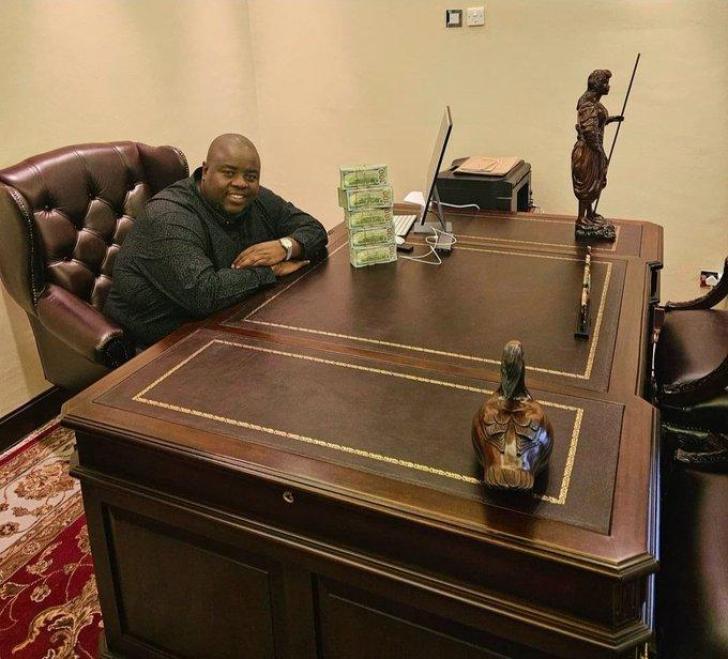
When Advocate Dr Lewis Uriri publicly rejected a vehicle and cash gifts offered by businessman Wicknell Chivayo, Zimbabwe erupted in admiration. Many hailed the lawyer as a rare example of integrity in a country where expensive gifts from wealthy individuals often attract little public scrutiny.
But perhaps the bigger story is not about Uriri.
Perhaps the bigger story is about everyone else.
Uriri said he rejected the gifts because accepting them could create a perception that his professional independence had been compromised, even though the legal work he previously performed had already been fully paid for.
In any functioning society, such a decision would be seen as normal.
In Zimbabwe, it is being treated as extraordinary.
That alone should concern us.
Why are Zimbabweans celebrating a professional for simply refusing benefits that could raise ethical questions? Have standards fallen so low that doing the right thing now qualifies as headline news?
For years, citizens have complained about corruption, patronage, favouritism and conflicts of interest. Yet when opportunities for personal enrichment arise, how many people actually walk away?
Would the average politician reject a luxury vehicle?
Would the average senior civil servant return a large cash gift?
Would the average business executive turn down a reward worth more than their annual salary?
More importantly, would you?
The widespread admiration being directed at Uriri suggests that many Zimbabweans already know the answer.
The lawyer's decision has also exposed a growing frustration among citizens who feel integrity is becoming increasingly scarce in public life. Across social media and news platforms, many readers have praised what they see as principle over profit.
Yet there is another question nobody seems willing to ask.
Should Zimbabwe even be in a position where wealthy individuals routinely gift vehicles and large sums of money to public figures, professionals, celebrities and officials?
Some people see such generosity as a blessing. Others see it as a symbol of a society where wealth and influence have become intertwined in ways that make citizens uncomfortable.
At what point does generosity become influence?
At what point does gratitude become obligation?
At what point does a gift stop being a gift?
Uriri's decision has not just started a conversation about one lawyer and one businessman. It has sparked a much larger debate about ethics, power and the moral direction of Zimbabwe itself.
The uncomfortable reality is that a man refusing gifts has become more newsworthy than many acts of public service.
Maybe that says less about Uriri's character.
And more about the standards Zimbabwe has come to expect from its leaders.
Debate:
- Was Uriri's decision exceptional or simply what any professional should do?
- Would most Zimbabwean leaders reject a similar offer?
- Are expensive gifts ever truly free?
- Has integrity become too rare in Zimbabwe?
- What would you have done if you were in Uriri's position?