News / Local
Harare residents turn to boreholes as water crisis deepens
24 Apr 2026 at 16:04hrs |
0 Views
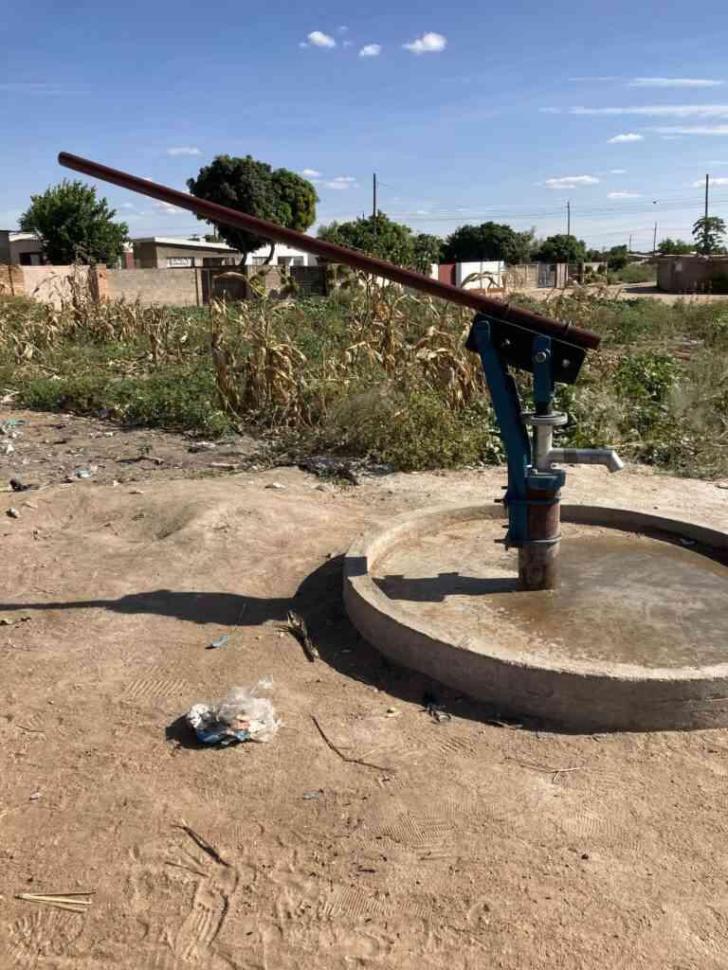
A parallel water system is rapidly emerging across Harare as residents abandon unreliable municipal supplies and organise into informal borehole syndicates, highlighting the deepening collapse of the city's public infrastructure.
In high-density suburbs such as Kuwadzana, Glen View, Budiriro and Highfield, groups of between 10 and 40 households are pooling resources to drill boreholes, install storage tanks and pipe water directly into their homes.
"We stopped trusting council water completely," said one Kuwadzana resident involved in a 24-household scheme. "Sometimes it is dirty, sometimes it smells. Even when it comes, people say it is not safe to drink. We had no choice."
The growing reliance on private water systems reflects persistent failures at the Morton Jaffray Water Treatment Works, Harare's main treatment facility, which has long struggled with ageing infrastructure, erratic chemical supplies and heavily polluted raw water sources such as Lake Chivero.
Residents say the problems are evident at the tap.
"When the water comes, you can see immediately that something is wrong," said Tendai Madovi. "People no longer trust it."
Others echoed the sentiment, citing prolonged dry periods and concerns over water safety as key drivers behind the shift to boreholes.
According to Harare Residents Trust director Precious Shumba, the situation reflects a systemic breakdown in service delivery.
"The water situation in Harare is desperate. It has been worsening over the past decade," Shumba said, adding that the city has failed to provide adequate potable water to hundreds of thousands of households.
He noted that up to 60% of treated water is lost through leaks and illegal connections, meaning less than half reaches residents.
As borehole clubs spread, experts warn of new risks. Increased drilling is accelerating groundwater depletion, with water tables already dropping in some areas. Costs are also rising as boreholes must be drilled deeper, widening inequality between households that can afford private water and those that cannot.
Encroachment onto wetlands is compounding the crisis by undermining natural groundwater recharge, threatening the city's long-term water security.
Public health concerns are also mounting. Intermittent supply forces households to store water for long periods, while reliance on untreated sources increases exposure to disease.
Community Working Group on Health executive director Itai Rusike warned that unsafe water remains a major driver of illness, particularly in densely populated urban areas.
"Access to safe water and sanitation is fundamental for health," Rusike said, pointing to risks of diarrhoea, cholera, typhoid and other diseases linked to poor water conditions.
Despite the concerns, the Harare City Council insists that its water meets required safety standards. Spokesperson Stanley Gama said treated water complies with both local and international guidelines, attributing reported issues to ageing pipes and underground leaks that sometimes contaminate supply.
He also cautioned residents against over-reliance on boreholes, warning that many are unsafe and require regular testing.
Meanwhile, worsening sanitation is intensifying the crisis. In some areas such as Kuwadzana, residents have endured months of flowing raw sewage, further increasing health risks and underscoring the deterioration of basic services.
The Ministry of Health and Child Care Zimbabwe says it is on high alert. Permanent secretary Aspect Maunganidze warned that limited access to safe water significantly raises the risk of water-borne diseases, particularly in high-density suburbs.
Authorities say surveillance systems have been strengthened and medical supplies pre-positioned, while communities are being urged to treat drinking water, maintain hygiene and seek early medical care when symptoms arise.
For many residents, however, the crisis has become a daily balancing act.
"You are always choosing between two risks," said a Budiriro resident. "The council water or the borehole - neither feels safe anymore."
In high-density suburbs such as Kuwadzana, Glen View, Budiriro and Highfield, groups of between 10 and 40 households are pooling resources to drill boreholes, install storage tanks and pipe water directly into their homes.
"We stopped trusting council water completely," said one Kuwadzana resident involved in a 24-household scheme. "Sometimes it is dirty, sometimes it smells. Even when it comes, people say it is not safe to drink. We had no choice."
The growing reliance on private water systems reflects persistent failures at the Morton Jaffray Water Treatment Works, Harare's main treatment facility, which has long struggled with ageing infrastructure, erratic chemical supplies and heavily polluted raw water sources such as Lake Chivero.
Residents say the problems are evident at the tap.
"When the water comes, you can see immediately that something is wrong," said Tendai Madovi. "People no longer trust it."
Others echoed the sentiment, citing prolonged dry periods and concerns over water safety as key drivers behind the shift to boreholes.
According to Harare Residents Trust director Precious Shumba, the situation reflects a systemic breakdown in service delivery.
"The water situation in Harare is desperate. It has been worsening over the past decade," Shumba said, adding that the city has failed to provide adequate potable water to hundreds of thousands of households.
He noted that up to 60% of treated water is lost through leaks and illegal connections, meaning less than half reaches residents.
As borehole clubs spread, experts warn of new risks. Increased drilling is accelerating groundwater depletion, with water tables already dropping in some areas. Costs are also rising as boreholes must be drilled deeper, widening inequality between households that can afford private water and those that cannot.
Encroachment onto wetlands is compounding the crisis by undermining natural groundwater recharge, threatening the city's long-term water security.
Public health concerns are also mounting. Intermittent supply forces households to store water for long periods, while reliance on untreated sources increases exposure to disease.
Community Working Group on Health executive director Itai Rusike warned that unsafe water remains a major driver of illness, particularly in densely populated urban areas.
"Access to safe water and sanitation is fundamental for health," Rusike said, pointing to risks of diarrhoea, cholera, typhoid and other diseases linked to poor water conditions.
Despite the concerns, the Harare City Council insists that its water meets required safety standards. Spokesperson Stanley Gama said treated water complies with both local and international guidelines, attributing reported issues to ageing pipes and underground leaks that sometimes contaminate supply.
He also cautioned residents against over-reliance on boreholes, warning that many are unsafe and require regular testing.
Meanwhile, worsening sanitation is intensifying the crisis. In some areas such as Kuwadzana, residents have endured months of flowing raw sewage, further increasing health risks and underscoring the deterioration of basic services.
The Ministry of Health and Child Care Zimbabwe says it is on high alert. Permanent secretary Aspect Maunganidze warned that limited access to safe water significantly raises the risk of water-borne diseases, particularly in high-density suburbs.
Authorities say surveillance systems have been strengthened and medical supplies pre-positioned, while communities are being urged to treat drinking water, maintain hygiene and seek early medical care when symptoms arise.
For many residents, however, the crisis has become a daily balancing act.
"You are always choosing between two risks," said a Budiriro resident. "The council water or the borehole - neither feels safe anymore."
Source - The Independent
Join the discussion
Loading comments…


