News / National
Zimbabwe's wheat demand surges
24 May 2026 at 13:37hrs |
0 Views
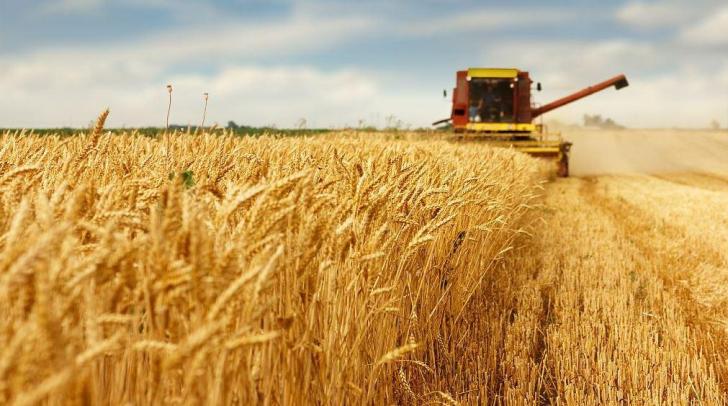
As Zimbabwe's winter wheat season gains momentum, the crop is increasingly being recognised as a strategic staple rather than just another seasonal cereal, reflecting shifting dietary habits and rising national demand.
While maize has traditionally dominated food security discussions, wheat is steadily gaining prominence in the national food basket as consumption patterns evolve, particularly in urban areas where bread, pasta, noodles and other wheat-based products have become everyday essentials.
According to global projections from the United States Department of Agriculture (USDA), world wheat consumption is expected to reach 823.2 million tonnes in the 2026/2027 season, slightly outpacing production at 819.1 million tonnes, underscoring tightening global supply conditions.
The Food and Agriculture Organisation (FAO) also projects continued growth in global cereal utilisation, estimating total use at 2.946 billion tonnes in 2025/2026, while warning that rising energy and fertiliser costs are squeezing production margins worldwide.
Zimbabwe is closely aligned with these global trends, with wheat now playing a growing role in local diets.
Data from the Zimbabwe National Statistics Agency shows that wheat and meslin flour contribute significantly to national nutrition, providing around 199 kilocalories per person per day in 2024 and accounting for 13 percent of dietary protein intake.
Within the cereals basket, wheat products now account for roughly 19 percent of caloric consumption, second only to maize meal, reflecting a notable shift in dietary structure.
Once largely considered an urban commodity, wheat consumption now spans both rural and urban households, driven by increased availability of processed foods and changing lifestyles.
The Agricultural Marketing Authority reports that total wheat consumption in Zimbabwe rose from 489,402 tonnes in the 2022/2023 season to 605,183 tonnes in the 2024/2025 season, a growth of about 23.66 percent.
During the same period, wheat imports also increased significantly, rising from 258,151 tonnes to 380,151 tonnes, reflecting a 47.26 percent surge and highlighting continued reliance on external supply.
Analysts attribute the rising demand to population growth, urbanisation and the expansion of the food processing industry, which has increased demand for wheat-based products such as bread, biscuits and fast foods.
As a result, wheat is increasingly viewed not just as a food crop but as a critical input in Zimbabwe's broader agro-industrial value chain.
On the production side, contractor farming and irrigation-based wheat cultivation continue to expand, with farmers targeting around 125,000 hectares for the 2026 winter season. By mid-May, nearly 97,098 hectares had already been contracted.
However, challenges persist, particularly high production costs linked to irrigation, fertiliser, fuel and electricity, which continue to constrain profitability and productivity.
Despite these pressures, the strong market demand for wheat is encouraging farmers and contractors to maintain or expand production, positioning the crop as a key component of Zimbabwe's food security strategy.
With imports still significant and domestic consumption rising steadily, wheat is increasingly becoming one of Zimbabwe's most strategically important cereals.
While maize has traditionally dominated food security discussions, wheat is steadily gaining prominence in the national food basket as consumption patterns evolve, particularly in urban areas where bread, pasta, noodles and other wheat-based products have become everyday essentials.
According to global projections from the United States Department of Agriculture (USDA), world wheat consumption is expected to reach 823.2 million tonnes in the 2026/2027 season, slightly outpacing production at 819.1 million tonnes, underscoring tightening global supply conditions.
The Food and Agriculture Organisation (FAO) also projects continued growth in global cereal utilisation, estimating total use at 2.946 billion tonnes in 2025/2026, while warning that rising energy and fertiliser costs are squeezing production margins worldwide.
Zimbabwe is closely aligned with these global trends, with wheat now playing a growing role in local diets.
Data from the Zimbabwe National Statistics Agency shows that wheat and meslin flour contribute significantly to national nutrition, providing around 199 kilocalories per person per day in 2024 and accounting for 13 percent of dietary protein intake.
Within the cereals basket, wheat products now account for roughly 19 percent of caloric consumption, second only to maize meal, reflecting a notable shift in dietary structure.
Once largely considered an urban commodity, wheat consumption now spans both rural and urban households, driven by increased availability of processed foods and changing lifestyles.
The Agricultural Marketing Authority reports that total wheat consumption in Zimbabwe rose from 489,402 tonnes in the 2022/2023 season to 605,183 tonnes in the 2024/2025 season, a growth of about 23.66 percent.
During the same period, wheat imports also increased significantly, rising from 258,151 tonnes to 380,151 tonnes, reflecting a 47.26 percent surge and highlighting continued reliance on external supply.
Analysts attribute the rising demand to population growth, urbanisation and the expansion of the food processing industry, which has increased demand for wheat-based products such as bread, biscuits and fast foods.
As a result, wheat is increasingly viewed not just as a food crop but as a critical input in Zimbabwe's broader agro-industrial value chain.
On the production side, contractor farming and irrigation-based wheat cultivation continue to expand, with farmers targeting around 125,000 hectares for the 2026 winter season. By mid-May, nearly 97,098 hectares had already been contracted.
However, challenges persist, particularly high production costs linked to irrigation, fertiliser, fuel and electricity, which continue to constrain profitability and productivity.
Despite these pressures, the strong market demand for wheat is encouraging farmers and contractors to maintain or expand production, positioning the crop as a key component of Zimbabwe's food security strategy.
With imports still significant and domestic consumption rising steadily, wheat is increasingly becoming one of Zimbabwe's most strategically important cereals.
Source - Sunday Mail
Join the discussion
Loading comments…





