News / Local
Zimbabwe loses 6,000 teachers annually
2 hrs ago |
75 Views
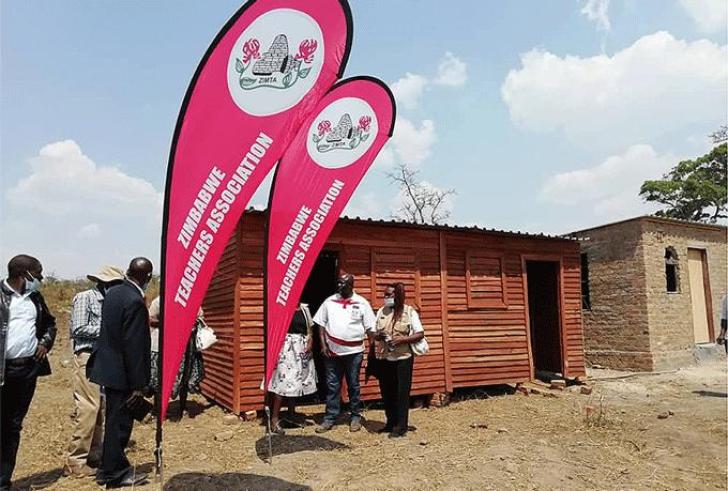
Zimbabwe is losing about 6 000 teachers annually while thousands of trained educators remain unemployed, raising concerns over worsening staff shortages, low salaries and deteriorating conditions in the education sector, the Zimbabwe Teachers' Association (ZIMTA) has said.
In a statement marking World Teachers' Day in Harare, ZIMTA said 9 425 teaching posts were vacant in July 2025, warning that limited recruitment was failing to keep pace with the number of educators leaving the profession.
The association said the Ministry of Primary and Secondary Education had requested 8 000 additional teaching posts, but Treasury approved only 2 000 for 2026.
"That does not even cover one year of departures. Meanwhile, thousands of trained teachers sit at home unemployed," ZIMTA said.
The shortages have contributed to overcrowded classrooms, with early childhood education classes accommodating more than 50 children per teacher against a recommended ratio of 1:20.
Primary school classes reportedly have 55 or more learners, compared with a recommended maximum of 32, while secondary school classes of between 45 and 60 pupils have become common.
ZIMTA said shortages were particularly severe in mathematics, science, technical subjects and Advanced Level classes, threatening the quality of education and the support learners receive.
The association also raised concern over teachers' salaries, saying the average educator took home about US$450 a month, while its estimated consumer basket for a family of five stood at US$1 084 in June 2026.
"A teacher therefore earns about 42 cents for every dollar her family needs," the association said.
It said the financial pressure was forcing teachers to pursue side businesses to supplement their incomes, contributing to low morale, absenteeism and the departure of experienced educators, including those seeking better opportunities outside the country.
ZIMTA called on the government to fill all 9 425 vacant posts next year, prioritising early childhood education and science, technology, engineering and mathematics subjects.
It also proposed that every teacher who leaves the service be replaced within 90 days, with rural and hard-to-staff schools receiving priority.
On remuneration, the association called for a multi-year salary adjustment plan, payment in United States dollars or at a guaranteed exchange rate, and the restoration of rural, housing and transport allowances.
Beyond staffing and salaries, ZIMTA said inadequate infrastructure and shortages of essential learning materials were placing further pressure on the education system.
"Zimbabwe is about 2 400 schools short. Nearly 2 000 satellite schools still await upgrading," it said.
The association also cited overcrowding in urban schools, where some institutions were resorting to hot-seating, with up to 2 000 learners accommodated in buildings designed for 500. In rural areas, some teachers were reportedly sharing overcrowded accommodation or had no housing at all.
ZIMTA further said funding for information and communication technology laboratories had been cut by 72% in 2026, despite expectations that teachers would deliver the Heritage-Based Curriculum.
The union linked the challenges to poor learning outcomes, citing 81 schools that recorded a zero per cent Grade Seven pass rate and 181 schools with a zero per cent pass rate at Ordinary Level.
"Nearly one in five school-age children is out of school. These are not the failures of teachers. They are the failures of an under-funded system in which teachers are asked to work miracles," the association said.
ZIMTA called for teachers to receive salaries and benefits comparable to those of other professionals with similar qualifications, alongside housing and transport incentives for educators working in rural and hardship areas.
The association said urgent government intervention was needed to address staffing, remuneration and infrastructure challenges and protect the quality of education.
"Zimbabwe owes you more than words. ZIMTA will keep fighting, in Parliament, at the bargaining table and in the public square, until your pay and your conditions match the value of your work," it said.
In a statement marking World Teachers' Day in Harare, ZIMTA said 9 425 teaching posts were vacant in July 2025, warning that limited recruitment was failing to keep pace with the number of educators leaving the profession.
The association said the Ministry of Primary and Secondary Education had requested 8 000 additional teaching posts, but Treasury approved only 2 000 for 2026.
"That does not even cover one year of departures. Meanwhile, thousands of trained teachers sit at home unemployed," ZIMTA said.
The shortages have contributed to overcrowded classrooms, with early childhood education classes accommodating more than 50 children per teacher against a recommended ratio of 1:20.
Primary school classes reportedly have 55 or more learners, compared with a recommended maximum of 32, while secondary school classes of between 45 and 60 pupils have become common.
ZIMTA said shortages were particularly severe in mathematics, science, technical subjects and Advanced Level classes, threatening the quality of education and the support learners receive.
The association also raised concern over teachers' salaries, saying the average educator took home about US$450 a month, while its estimated consumer basket for a family of five stood at US$1 084 in June 2026.
"A teacher therefore earns about 42 cents for every dollar her family needs," the association said.
It said the financial pressure was forcing teachers to pursue side businesses to supplement their incomes, contributing to low morale, absenteeism and the departure of experienced educators, including those seeking better opportunities outside the country.
ZIMTA called on the government to fill all 9 425 vacant posts next year, prioritising early childhood education and science, technology, engineering and mathematics subjects.
It also proposed that every teacher who leaves the service be replaced within 90 days, with rural and hard-to-staff schools receiving priority.
On remuneration, the association called for a multi-year salary adjustment plan, payment in United States dollars or at a guaranteed exchange rate, and the restoration of rural, housing and transport allowances.
Beyond staffing and salaries, ZIMTA said inadequate infrastructure and shortages of essential learning materials were placing further pressure on the education system.
"Zimbabwe is about 2 400 schools short. Nearly 2 000 satellite schools still await upgrading," it said.
The association also cited overcrowding in urban schools, where some institutions were resorting to hot-seating, with up to 2 000 learners accommodated in buildings designed for 500. In rural areas, some teachers were reportedly sharing overcrowded accommodation or had no housing at all.
ZIMTA further said funding for information and communication technology laboratories had been cut by 72% in 2026, despite expectations that teachers would deliver the Heritage-Based Curriculum.
The union linked the challenges to poor learning outcomes, citing 81 schools that recorded a zero per cent Grade Seven pass rate and 181 schools with a zero per cent pass rate at Ordinary Level.
"Nearly one in five school-age children is out of school. These are not the failures of teachers. They are the failures of an under-funded system in which teachers are asked to work miracles," the association said.
ZIMTA called for teachers to receive salaries and benefits comparable to those of other professionals with similar qualifications, alongside housing and transport incentives for educators working in rural and hardship areas.
The association said urgent government intervention was needed to address staffing, remuneration and infrastructure challenges and protect the quality of education.
"Zimbabwe owes you more than words. ZIMTA will keep fighting, in Parliament, at the bargaining table and in the public square, until your pay and your conditions match the value of your work," it said.
Source - Newsday
Join the discussion
Loading comments…