News / National
Poverty pushes Zimbabwe girls into risky survival strategies
10 Jan 2026 at 21:30hrs |
0 Views
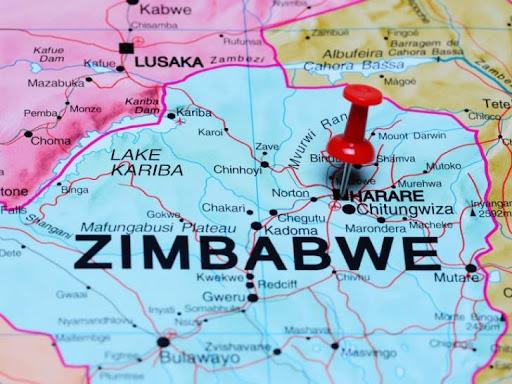
In the dusty confines of Checheche Growth Point in Chipinge district, the harsh realities of poverty are playing out in the lives of some of Zimbabwe's most vulnerable girls.
At just 16, Chipo's life is marked by responsibilities far beyond her years. She is caring for a nine-month-old baby while also five months pregnant, all in a household weighed down by poverty and illness. With no stable source of income and a sick mother to look after, Chipo found herself trapped in a cycle of desperation that left her struggling to meet even the most basic needs.
Her story, shared during a recent media tour organised by the National Aids Council (NAC) in Chipinge, reflects the wider challenges faced by adolescent girls in impoverished communities.
"I was overwhelmed and did not know how to cope," Chipo said. "I was just trying to survive and take care of my family."
Chipo is now a beneficiary of a programme run by the Organisation of African First Ladies on Development (OAFLAD), which is being implemented in Zimbabwe under the leadership of First Lady Auxillia Mnangagwa. The initiative focuses on health, education, youth empowerment and sustainable livelihoods, targeting vulnerable women and girls.
Through the programme, Chipo says she has found support, dignity and renewed hope.
"They helped me to see that my life still has value and that I can build a better future," she said.
In Mwanyisa Village, another teenager, Privilege (15), is also benefiting from the OAFLAD initiative. Orphaned at a young age, Privilege became the main provider for her siblings while living with an aunt.
With few options available, she says poverty pushed her into situations that had life-changing consequences, including early motherhood.
"I just wanted my siblings to eat and stay in school," she said. "There was no one else to help us."
According to NAC, Chipinge district is one of the hardest hit areas in Manicaland province, with high numbers of teenage pregnancies linked to deep-rooted poverty.
NAC youth officer for Chipinge, Yolanda Gwizo, said economic hardship has increased young girls' vulnerability to early sexual activity and risky coping mechanisms.
"Poverty in this area has contributed to early sexual relationships, teenage pregnancies and early marriages," Gwizo said. "Checheche is a hotspot, which is why we prioritised the implementation of the OAFLAD programme here."
She said the programme, run in partnership with NAC and other stakeholders, is helping restore dignity and provide practical support to young mothers. Beneficiaries receive monthly financial assistance, health education and training aimed at reducing HIV, Aids, syphilis and hepatitis infections.
Traditional leaders have also raised alarm over the situation. Headman Zamuchiya, whose real name is Irikidzai Mutetwa, said poverty and neglect are driving risky behaviours among youths in his area.
"When young people are desperate, their judgment is compromised," he said. "This puts them at higher risk of infections and long-term health problems."
He called for stronger social interventions to protect girls and support families.
Experts warn that without sustained investment in education, economic empowerment and reproductive health services, the cycle of poverty and vulnerability will continue to trap young girls in rural communities.
For Chipo, Privilege and many others like them, programmes such as OAFLAD's offer a rare lifeline — a chance to rebuild their lives and imagine a future beyond survival.
Their stories underscore an urgent call to action for policymakers, community leaders and humanitarian organisations to address poverty at its roots and safeguard the wellbeing of Zimbabwe's most at-risk children.
At just 16, Chipo's life is marked by responsibilities far beyond her years. She is caring for a nine-month-old baby while also five months pregnant, all in a household weighed down by poverty and illness. With no stable source of income and a sick mother to look after, Chipo found herself trapped in a cycle of desperation that left her struggling to meet even the most basic needs.
Her story, shared during a recent media tour organised by the National Aids Council (NAC) in Chipinge, reflects the wider challenges faced by adolescent girls in impoverished communities.
"I was overwhelmed and did not know how to cope," Chipo said. "I was just trying to survive and take care of my family."
Chipo is now a beneficiary of a programme run by the Organisation of African First Ladies on Development (OAFLAD), which is being implemented in Zimbabwe under the leadership of First Lady Auxillia Mnangagwa. The initiative focuses on health, education, youth empowerment and sustainable livelihoods, targeting vulnerable women and girls.
Through the programme, Chipo says she has found support, dignity and renewed hope.
"They helped me to see that my life still has value and that I can build a better future," she said.
In Mwanyisa Village, another teenager, Privilege (15), is also benefiting from the OAFLAD initiative. Orphaned at a young age, Privilege became the main provider for her siblings while living with an aunt.
With few options available, she says poverty pushed her into situations that had life-changing consequences, including early motherhood.
"I just wanted my siblings to eat and stay in school," she said. "There was no one else to help us."
NAC youth officer for Chipinge, Yolanda Gwizo, said economic hardship has increased young girls' vulnerability to early sexual activity and risky coping mechanisms.
"Poverty in this area has contributed to early sexual relationships, teenage pregnancies and early marriages," Gwizo said. "Checheche is a hotspot, which is why we prioritised the implementation of the OAFLAD programme here."
She said the programme, run in partnership with NAC and other stakeholders, is helping restore dignity and provide practical support to young mothers. Beneficiaries receive monthly financial assistance, health education and training aimed at reducing HIV, Aids, syphilis and hepatitis infections.
Traditional leaders have also raised alarm over the situation. Headman Zamuchiya, whose real name is Irikidzai Mutetwa, said poverty and neglect are driving risky behaviours among youths in his area.
"When young people are desperate, their judgment is compromised," he said. "This puts them at higher risk of infections and long-term health problems."
He called for stronger social interventions to protect girls and support families.
Experts warn that without sustained investment in education, economic empowerment and reproductive health services, the cycle of poverty and vulnerability will continue to trap young girls in rural communities.
For Chipo, Privilege and many others like them, programmes such as OAFLAD's offer a rare lifeline — a chance to rebuild their lives and imagine a future beyond survival.
Their stories underscore an urgent call to action for policymakers, community leaders and humanitarian organisations to address poverty at its roots and safeguard the wellbeing of Zimbabwe's most at-risk children.
Source - Newsday
Join the discussion
Loading comments…


