News / National
Mnangagwa's govt rolls out hotlines for potholes reporting
20 Jan 2026 at 17:54hrs |
0 Views
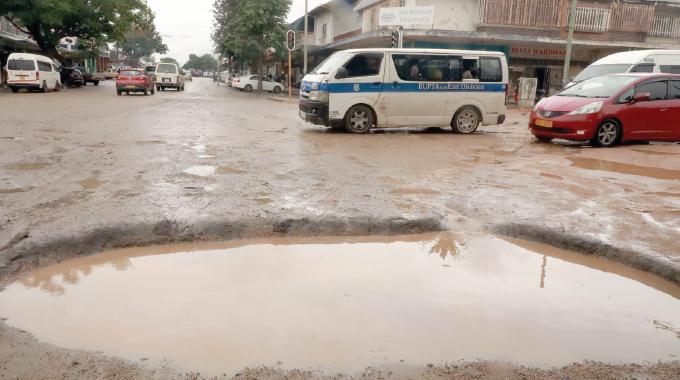
The Ministry of Transport and Infrastructural Development's recent appeal for citizens to report potholes and urgent road defects through provincial hotlines is drawing mixed reactions, as questions mount over whether public reporting alone can address a crisis rooted in years of underfunding, delayed maintenance, and weak accountability.
On 19 January 2026, the ministry launched hotlines across all ten provinces, urging motorists to send clear photos or videos of potholes, along with exact locations, to enable a faster response.
"The ministry calls on the public to become active partners in road maintenance by reporting potholes and urgent defects. Your vigilance is invaluable. Prompt reports enable faster response, efficient resource allocation and prevent minor issues from becoming hazards," the ministry said. The initiative is framed as part of President Emmerson Mnangagwa's development mantra of "leaving no one and no place behind."
While the approach is presented as collaborative, public reaction has been largely sceptical, both online and offline, with many residents arguing that reporting does little to resolve systemic failures.
"Kushaya zvekuita uku. Ko Byo–Vic Falls Road ine mapotholes here kana kuti hapachisina road? How do we report it since they want to concentrate on potholes?" one resident commented in a WhatsApp group. Another added: "Haaa, is there any need to report potholes paroad yagara yakatofa hayo, e.g. Tsholotsho–Nyamandlovu Road? Hakuchina road."
Some residents expressed cautious optimism. "Will test it out tomorrow morning," one said, while another remarked: "Now that the central government realises the involvement of ordinary citizens is vital, I hope our cities will do likewise. We are tired of numerous excuses."
Emthunzini resident Emmanuel Sibanda said the deteriorating network reflects long-standing neglect rather than seasonal issues. "The roads are terrible, especially urban roads and highways carrying heavy traffic and overloaded trucks. Yes, it's raining now and drainage is poor, but potholes have always been there, even during dry months," he said.
Despite the ministry publishing a list of provincial road engineers and their contacts, motorists argued that reporting has never been the main obstacle. "How many times have we reported? People post on social media, tell councillors, even comment directly to officials online, but the potholes remain," said Patrick Ndlovu. "We always hear there is no money or resources. Now how will these hotlines change anything? Has the ministry found donor funding?"
Scepticism is also fuelled by past incidents, such as last year when a viral photo of tourists sitting inside a massive pothole along the Bulawayo–Victoria Falls highway was initially dismissed as fake by the ministry. The incident later forced authorities to accelerate repairs, highlighting reactive rather than proactive road management.
Political analyst Future Msebele said public trust will depend on results, not announcements. "Citizen reporting can only work if backed by guaranteed funding, clear service standards, and public feedback mechanisms. Without published repair schedules, response times and budgets, the initiative risks becoming symbolic rather than operational," he said.
Iphithule Mpahosa, another analyst, noted the deeper governance issues at play. "Many of the most potholed roads are urban and fall under local authorities whose finances are strained and whose mandates often overlap with central government," he said. "The statement directs reports to provincial engineers for regional, primary, secondary and tertiary roads, but it does not clarify coordination with councils. The public needs to know who fixes what, and by when."
Motorists say the hotline could be useful if paired with routine preventative maintenance rather than reactive patching. "We will send pictures and make calls, but we know those images may just sit somewhere or whoever is controlling the numbers labels you as a troublemaker," said Mthombeni, a Honda Fit driver. "At the end of the day, we just want roads that don't destroy our cars."
The ministry's initiative may raise awareness, but without structural reforms, dedicated funding, and clear accountability, Zimbabweans remain sceptical that citizen reporting alone can fix the crumbling road network.
On 19 January 2026, the ministry launched hotlines across all ten provinces, urging motorists to send clear photos or videos of potholes, along with exact locations, to enable a faster response.
"The ministry calls on the public to become active partners in road maintenance by reporting potholes and urgent defects. Your vigilance is invaluable. Prompt reports enable faster response, efficient resource allocation and prevent minor issues from becoming hazards," the ministry said. The initiative is framed as part of President Emmerson Mnangagwa's development mantra of "leaving no one and no place behind."
While the approach is presented as collaborative, public reaction has been largely sceptical, both online and offline, with many residents arguing that reporting does little to resolve systemic failures.
"Kushaya zvekuita uku. Ko Byo–Vic Falls Road ine mapotholes here kana kuti hapachisina road? How do we report it since they want to concentrate on potholes?" one resident commented in a WhatsApp group. Another added: "Haaa, is there any need to report potholes paroad yagara yakatofa hayo, e.g. Tsholotsho–Nyamandlovu Road? Hakuchina road."
Some residents expressed cautious optimism. "Will test it out tomorrow morning," one said, while another remarked: "Now that the central government realises the involvement of ordinary citizens is vital, I hope our cities will do likewise. We are tired of numerous excuses."
Despite the ministry publishing a list of provincial road engineers and their contacts, motorists argued that reporting has never been the main obstacle. "How many times have we reported? People post on social media, tell councillors, even comment directly to officials online, but the potholes remain," said Patrick Ndlovu. "We always hear there is no money or resources. Now how will these hotlines change anything? Has the ministry found donor funding?"
Scepticism is also fuelled by past incidents, such as last year when a viral photo of tourists sitting inside a massive pothole along the Bulawayo–Victoria Falls highway was initially dismissed as fake by the ministry. The incident later forced authorities to accelerate repairs, highlighting reactive rather than proactive road management.
Political analyst Future Msebele said public trust will depend on results, not announcements. "Citizen reporting can only work if backed by guaranteed funding, clear service standards, and public feedback mechanisms. Without published repair schedules, response times and budgets, the initiative risks becoming symbolic rather than operational," he said.
Iphithule Mpahosa, another analyst, noted the deeper governance issues at play. "Many of the most potholed roads are urban and fall under local authorities whose finances are strained and whose mandates often overlap with central government," he said. "The statement directs reports to provincial engineers for regional, primary, secondary and tertiary roads, but it does not clarify coordination with councils. The public needs to know who fixes what, and by when."
Motorists say the hotline could be useful if paired with routine preventative maintenance rather than reactive patching. "We will send pictures and make calls, but we know those images may just sit somewhere or whoever is controlling the numbers labels you as a troublemaker," said Mthombeni, a Honda Fit driver. "At the end of the day, we just want roads that don't destroy our cars."
The ministry's initiative may raise awareness, but without structural reforms, dedicated funding, and clear accountability, Zimbabweans remain sceptical that citizen reporting alone can fix the crumbling road network.
Source - Cite
Join the discussion
Loading comments…





