News / National
Parliament debates disputed chiefdoms across the country
15 Mar 2026 at 10:41hrs |
0 Views
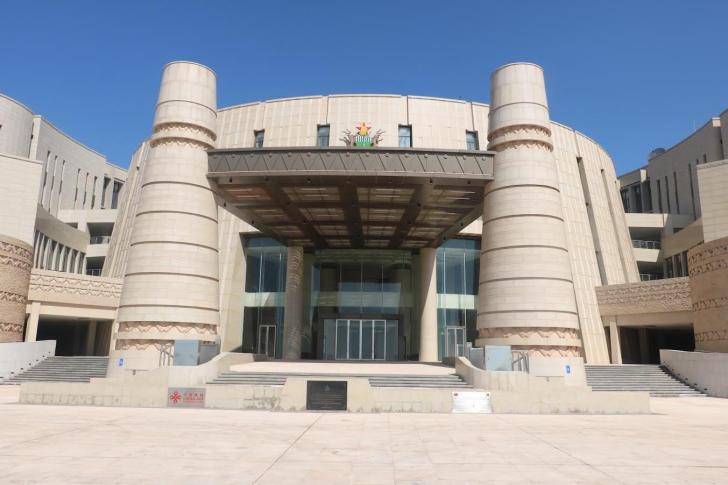
The Parliament of Zimbabwe has raised concern over increasing disputes surrounding traditional leadership, with lawmakers warning that contested chiefdoms are undermining governance and development in rural communities.
The issue was brought before the National Assembly of Zimbabwe by Vusumuzi Moyo, the legislator for Hwange West, who moved a motion highlighting the growing number of leadership disputes across the country.
"I rise today to debate on a matter which I believe is a matter of national importance, the growing prevalence of disputed chiefdoms across Zimbabwe and the serious threat that these poses to peace, governance, development, and the preservation of our cultural heritage," Moyo told Parliament.
He said many of the disputes have historical roots dating back to distortions introduced during the colonial era.
"Some of these disputes… emanate from colonial times… when the colonial masters moved in. When they moved in, we already had governing structures," he said.
Moyo cited examples from Hwange District, where communities were displaced during the colonial period, disrupting traditional leadership systems and creating lasting tensions over succession.
"I remember in the constituency that I come from, most of these people… had been resettled from far-off lands, fertile lands, and dumped in Hwange District," he said.
The legislator warned that unresolved chieftainship disputes weaken governance structures at the grassroots level, affecting community administration and development initiatives.
"Madam Speaker, when a chiefdom becomes disputed, those constitutional functions grind to a halt. Customary courts lose legitimacy. Land allocations become contested. Development programmes stall," Moyo said.
He urged government authorities to establish clearer procedures and legislation governing the succession of traditional leaders in order to resolve longstanding disputes.
"It is my sincere hope that… we could start the conversation of trying to restore our culture by providing the necessary legislation to make sure that we cure all this," he said.
Lawmakers say resolving such disputes is critical to restoring stability and strengthening traditional governance systems, which play a key role in rural administration and community development in Zimbabwe.
The issue was brought before the National Assembly of Zimbabwe by Vusumuzi Moyo, the legislator for Hwange West, who moved a motion highlighting the growing number of leadership disputes across the country.
"I rise today to debate on a matter which I believe is a matter of national importance, the growing prevalence of disputed chiefdoms across Zimbabwe and the serious threat that these poses to peace, governance, development, and the preservation of our cultural heritage," Moyo told Parliament.
He said many of the disputes have historical roots dating back to distortions introduced during the colonial era.
"Some of these disputes… emanate from colonial times… when the colonial masters moved in. When they moved in, we already had governing structures," he said.
Moyo cited examples from Hwange District, where communities were displaced during the colonial period, disrupting traditional leadership systems and creating lasting tensions over succession.
The legislator warned that unresolved chieftainship disputes weaken governance structures at the grassroots level, affecting community administration and development initiatives.
"Madam Speaker, when a chiefdom becomes disputed, those constitutional functions grind to a halt. Customary courts lose legitimacy. Land allocations become contested. Development programmes stall," Moyo said.
He urged government authorities to establish clearer procedures and legislation governing the succession of traditional leaders in order to resolve longstanding disputes.
"It is my sincere hope that… we could start the conversation of trying to restore our culture by providing the necessary legislation to make sure that we cure all this," he said.
Lawmakers say resolving such disputes is critical to restoring stability and strengthening traditional governance systems, which play a key role in rural administration and community development in Zimbabwe.
Source - vicfalls
Join the discussion
Loading comments…





