News / National
Kombi fare shock
04 Mar 2026 at 11:20hrs |
0 Views
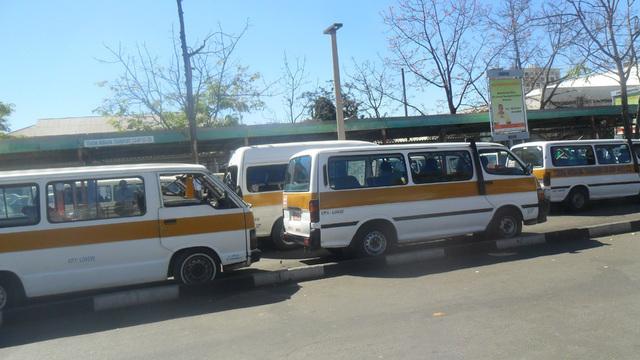
Residents of Cowdray Park in Bulawayo are reeling from steep kombi fare increases, with some operators now charging as much as US$2 for a single trip to the city centre.
Commuters say the sudden hike has plunged the suburb into distress, as many families already battling high living costs are now spending a significant portion of their income on transport.
Ward 15 councillor Ashton Mhlanga confirmed that the local authority is aware of the situation, attributing the fare increases to ongoing traffic enforcement operations.
"I believe the fare increment is largely a result of the police operation. Many kombis are not operating because they have been impounded by the city council, VID and ZRP for various offences, including lack of proper documentation," he said.
Mhlanga added that the transport sector currently lacks a regulatory authority to monitor fare structures and enforce compliance.
"It is difficult for us as councillors to compel kombi operators to charge a specific fare because that falls outside our jurisdiction. What is needed is legislation from the Ministry of Transport to establish a regulatory authority to oversee the industry," he said.
Ward 6 councillor Ashton Hove Mpofu raised similar concerns, particularly for residents of Esgodweni, where kombis have reportedly scaled down operations due to deteriorating road conditions.
"Kombis are no longer coming to Esgodweni because the road is in a poor state. The few that are operating are charging between US$1,50 and US$2 per trip," he said, calling for urgent engagement among stakeholders to find a lasting solution.
Ward 28 councillor Ntando Ndlovu described the jump in fares from R10 to as much as US$1 or R15 as unjustified and exploitative.
"As a councillor, I am deeply concerned by the sudden and unreasonable hike in kombi fares. This places an unfair burden on already struggling residents," he said.
Ndlovu urged residents to report operators who arbitrarily increase fares to the relevant authorities, including the police.
"We have formally referred this matter to transport companies that signed service level agreements with the City of Bulawayo.
"These agreements clearly outline expected conduct, fare structure and operational routes. Any operator violating these terms will be engaged through their parent companies and regulatory structures," he said.
He added that the city's public transport policy was designed to curb chaotic competition among kombis, which often results in fare manipulation and disorder, and called for its full implementation with support from operators, residents and enforcement agencies.
Meanwhile, frustrated residents say the fare hikes have left them financially strained.
"It was better when we had Zimbabwe United Passenger Company buses. The fares were always reasonable. Now the prices are unimaginable and we are forced to board kombis at high prices because we risk getting late for work," said Monica Khumalo.
Thomas Gumede echoed similar sentiments. "We are now working for the kombis because half of our salaries goes towards fares," he said.
Some drivers, however, defended the increases, citing operational challenges and intensified enforcement measures.
"Our circumstances force us to increase prices. With many people wanting to board, we are compelled to adjust fares," said taxi driver Thobani Dube.
Commuters say the sudden hike has plunged the suburb into distress, as many families already battling high living costs are now spending a significant portion of their income on transport.
Ward 15 councillor Ashton Mhlanga confirmed that the local authority is aware of the situation, attributing the fare increases to ongoing traffic enforcement operations.
"I believe the fare increment is largely a result of the police operation. Many kombis are not operating because they have been impounded by the city council, VID and ZRP for various offences, including lack of proper documentation," he said.
Mhlanga added that the transport sector currently lacks a regulatory authority to monitor fare structures and enforce compliance.
"It is difficult for us as councillors to compel kombi operators to charge a specific fare because that falls outside our jurisdiction. What is needed is legislation from the Ministry of Transport to establish a regulatory authority to oversee the industry," he said.
Ward 6 councillor Ashton Hove Mpofu raised similar concerns, particularly for residents of Esgodweni, where kombis have reportedly scaled down operations due to deteriorating road conditions.
"Kombis are no longer coming to Esgodweni because the road is in a poor state. The few that are operating are charging between US$1,50 and US$2 per trip," he said, calling for urgent engagement among stakeholders to find a lasting solution.
Ward 28 councillor Ntando Ndlovu described the jump in fares from R10 to as much as US$1 or R15 as unjustified and exploitative.
Ndlovu urged residents to report operators who arbitrarily increase fares to the relevant authorities, including the police.
"We have formally referred this matter to transport companies that signed service level agreements with the City of Bulawayo.
"These agreements clearly outline expected conduct, fare structure and operational routes. Any operator violating these terms will be engaged through their parent companies and regulatory structures," he said.
He added that the city's public transport policy was designed to curb chaotic competition among kombis, which often results in fare manipulation and disorder, and called for its full implementation with support from operators, residents and enforcement agencies.
Meanwhile, frustrated residents say the fare hikes have left them financially strained.
"It was better when we had Zimbabwe United Passenger Company buses. The fares were always reasonable. Now the prices are unimaginable and we are forced to board kombis at high prices because we risk getting late for work," said Monica Khumalo.
Thomas Gumede echoed similar sentiments. "We are now working for the kombis because half of our salaries goes towards fares," he said.
Some drivers, however, defended the increases, citing operational challenges and intensified enforcement measures.
"Our circumstances force us to increase prices. With many people wanting to board, we are compelled to adjust fares," said taxi driver Thobani Dube.
Source - Southern Eye
Join the discussion
Loading comments…





