News / National
Husband snatcher ordered to pay US$8k
16 Mar 2026 at 20:27hrs |
0 Views
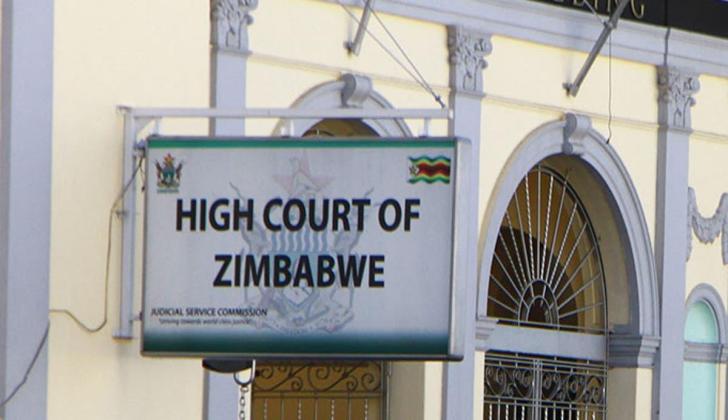
A woman who allegedly snatched another woman's husband, adopted his surname and later claimed he was her half-brother has been ordered by the High Court to pay US$8,000 in damages for helping to destroy a 20-year marriage.
High Court judge Justice Amy Tsanga ruled in favour of Elizabeth Masvimbo, finding Natasha Masvimbo liable for engaging in an adulterous relationship with Elizabeth's husband, Martin Masvimbo.
"The plaintiff has proven, on a balance of probabilities, that adultery occurred and caused her emotional and financial suffering," Justice Tsanga said in her ruling.
The court heard that Elizabeth's marriage to Martin had been loving and stable for two decades until 2023, when their relationship began to deteriorate after Natasha allegedly entered the picture.
Elizabeth testified that her husband began staying out late, stopped attending family gatherings and eventually withdrew financial support from the household.
She told the court she later discovered receipts for expensive gifts and overheard phone conversations between Martin and Natasha.
Elizabeth also said Martin told her his ancestors had instructed him to take a second wife before he eventually abandoned their matrimonial home.
Natasha denied the allegations, insisting that Martin was in fact her half-brother. She told the court their shared father had introduced her to the family in 2015 and that traditional rites had been performed to welcome her.
However, the court found her explanation unconvincing.
Justice Tsanga said the claim of a half-sibling relationship was unsupported, noting that no DNA evidence had been produced to substantiate it.
Several witnesses backed Elizabeth's account. One neighbour testified that Martin had introduced Natasha as his wife during a trip to the supermarket.
Evidence that Natasha had taken the surname Masvimbo and had been listed as Martin's wife on his medical aid further weakened her defence.
Justice Tsanga dismissed Martin's claim that the medical aid listing was merely an administrative error, describing the explanation as "inherently improbable".
The judge also highlighted the public humiliation Elizabeth suffered, particularly within her community and church, where she was repeatedly questioned about her husband's absence.
Martin's attempt to justify his withdrawal from the marriage by accusing Elizabeth of using traditional healers to harm him was also rejected.
Justice Tsanga said there was no evidence supporting the allegation and described it as a "post-hoc rationalisation" for his behaviour.
The court ultimately concluded that Elizabeth had suffered significant emotional and financial harm due to the affair, which led to the collapse of her marriage.
"The plaintiff's evidence was consistent, detailed and corroborated by witnesses, while the defence's version was riddled with improbabilities and contradictions," the judge said.
Justice Tsanga emphasised that damages awarded in adultery cases are compensatory rather than punitive, but they also serve to protect the institution of marriage and offer recourse to the innocent spouse.
She awarded Elizabeth US$4,000 for loss of consortium and a further US$4,000 for injury to her dignity.
Natasha was ordered to pay Elizabeth a total of US$8,000 and to cover the costs of the lawsuit.
High Court judge Justice Amy Tsanga ruled in favour of Elizabeth Masvimbo, finding Natasha Masvimbo liable for engaging in an adulterous relationship with Elizabeth's husband, Martin Masvimbo.
"The plaintiff has proven, on a balance of probabilities, that adultery occurred and caused her emotional and financial suffering," Justice Tsanga said in her ruling.
The court heard that Elizabeth's marriage to Martin had been loving and stable for two decades until 2023, when their relationship began to deteriorate after Natasha allegedly entered the picture.
Elizabeth testified that her husband began staying out late, stopped attending family gatherings and eventually withdrew financial support from the household.
She told the court she later discovered receipts for expensive gifts and overheard phone conversations between Martin and Natasha.
Elizabeth also said Martin told her his ancestors had instructed him to take a second wife before he eventually abandoned their matrimonial home.
Natasha denied the allegations, insisting that Martin was in fact her half-brother. She told the court their shared father had introduced her to the family in 2015 and that traditional rites had been performed to welcome her.
However, the court found her explanation unconvincing.
Justice Tsanga said the claim of a half-sibling relationship was unsupported, noting that no DNA evidence had been produced to substantiate it.
Several witnesses backed Elizabeth's account. One neighbour testified that Martin had introduced Natasha as his wife during a trip to the supermarket.
Evidence that Natasha had taken the surname Masvimbo and had been listed as Martin's wife on his medical aid further weakened her defence.
Justice Tsanga dismissed Martin's claim that the medical aid listing was merely an administrative error, describing the explanation as "inherently improbable".
The judge also highlighted the public humiliation Elizabeth suffered, particularly within her community and church, where she was repeatedly questioned about her husband's absence.
Martin's attempt to justify his withdrawal from the marriage by accusing Elizabeth of using traditional healers to harm him was also rejected.
Justice Tsanga said there was no evidence supporting the allegation and described it as a "post-hoc rationalisation" for his behaviour.
The court ultimately concluded that Elizabeth had suffered significant emotional and financial harm due to the affair, which led to the collapse of her marriage.
"The plaintiff's evidence was consistent, detailed and corroborated by witnesses, while the defence's version was riddled with improbabilities and contradictions," the judge said.
Justice Tsanga emphasised that damages awarded in adultery cases are compensatory rather than punitive, but they also serve to protect the institution of marriage and offer recourse to the innocent spouse.
She awarded Elizabeth US$4,000 for loss of consortium and a further US$4,000 for injury to her dignity.
Natasha was ordered to pay Elizabeth a total of US$8,000 and to cover the costs of the lawsuit.
Source - The Herald
Join the discussion
Loading comments…


