News / National
Zimbabweans brace for new Beitbridge controls
24 Mar 2026 at 20:39hrs |
0 Views
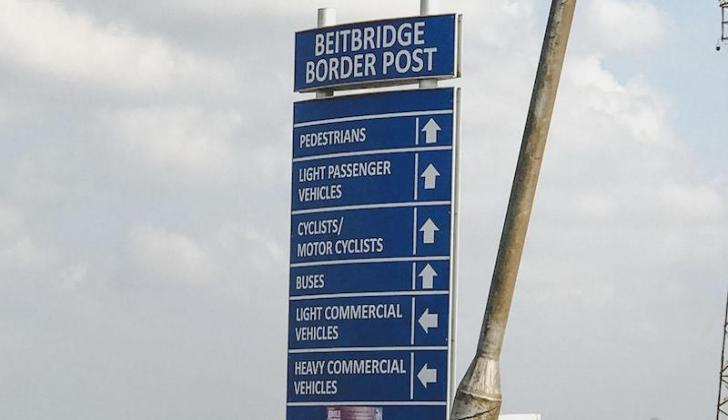
Zimbabweans who rely on the Beitbridge Border Post for survival are bracing for tougher times as South Africa moves to tighten security at its busiest land crossing.
Authorities have announced plans to rebuild infrastructure and deploy advanced technologies at the border post, including amphibious patrol vehicles to monitor the Limpopo River, which has long been used as an alternative route by undocumented migrants and informal traders.
While officials say the measures are necessary to curb illegal crossings and strengthen border control, many Zimbabweans fear the changes could cut off critical economic lifelines. For years, thousands have crossed through Beitbridge, both legally and illegally, in search of work, trade opportunities and essential goods.
Informal traders, in particular, depend heavily on cross-border movement to sustain their livelihoods, often operating on thin margins. A cross-border trader, Bhekimpilo Nyoni, said the tightening measures would worsen already difficult conditions.
"With things already so hard back home, this will only make life worse," he said. "We are not criminals, we are trying to survive."
The deployment of enhanced surveillance and patrol vehicles is expected to make undetected crossings significantly more difficult, especially along the Limpopo River, a known hotspot for unauthorised movement. For many undocumented migrants, this route has served as a last resort when legal entry becomes too costly or inaccessible.
Human rights advocates warn that stricter border enforcement without addressing underlying economic pressures could deepen hardship. They argue that limited legal migration pathways and persistent economic challenges leave many people with few alternatives.
Authorities in South Africa maintain that stronger border management is necessary to safeguard national security and economic stability, particularly during peak travel periods such as Easter.
The developments at Beitbridge underscore a growing tension between enforcement and survival, as governments seek tighter border control while many individuals continue to depend on the crossing for their daily existence. As changes take effect, concerns are rising that crossings will become not only more difficult, but also more dangerous, pushing some migrants to take greater risks in search of opportunity.
Authorities have announced plans to rebuild infrastructure and deploy advanced technologies at the border post, including amphibious patrol vehicles to monitor the Limpopo River, which has long been used as an alternative route by undocumented migrants and informal traders.
While officials say the measures are necessary to curb illegal crossings and strengthen border control, many Zimbabweans fear the changes could cut off critical economic lifelines. For years, thousands have crossed through Beitbridge, both legally and illegally, in search of work, trade opportunities and essential goods.
Informal traders, in particular, depend heavily on cross-border movement to sustain their livelihoods, often operating on thin margins. A cross-border trader, Bhekimpilo Nyoni, said the tightening measures would worsen already difficult conditions.
The deployment of enhanced surveillance and patrol vehicles is expected to make undetected crossings significantly more difficult, especially along the Limpopo River, a known hotspot for unauthorised movement. For many undocumented migrants, this route has served as a last resort when legal entry becomes too costly or inaccessible.
Human rights advocates warn that stricter border enforcement without addressing underlying economic pressures could deepen hardship. They argue that limited legal migration pathways and persistent economic challenges leave many people with few alternatives.
Authorities in South Africa maintain that stronger border management is necessary to safeguard national security and economic stability, particularly during peak travel periods such as Easter.
The developments at Beitbridge underscore a growing tension between enforcement and survival, as governments seek tighter border control while many individuals continue to depend on the crossing for their daily existence. As changes take effect, concerns are rising that crossings will become not only more difficult, but also more dangerous, pushing some migrants to take greater risks in search of opportunity.
Source - online
Join the discussion
Loading comments…





