News / National
ZiG-only payments policy signals strong push towards de-dollarisation
25 Mar 2026 at 10:51hrs |
0 Views
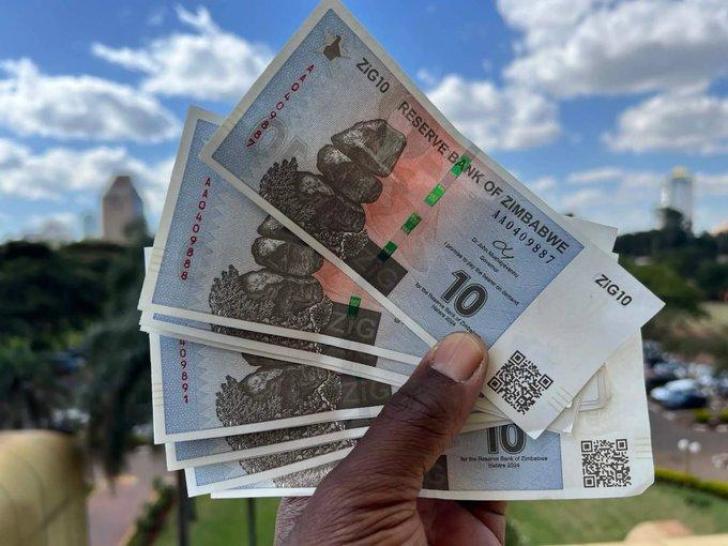
Zimbabwe's decision to pay contractors and service providers բացառively in the local currency, the Zimbabwe Gold, marks a significant shift in monetary policy aimed at accelerating de-dollarisation, according to John Mushayavanhu, Governor of the Reserve Bank of Zimbabwe.
The policy, recently announced by Finance Minister Mthuli Ncube, is being positioned as a decisive step by Government to lead by example in promoting the use of the domestic currency.
Speaking in an interview, Dr Mushayavanhu said the move reflects authorities' commitment to entrenching the use of ZiG across the economy while boosting public confidence in the monetary system.
"This pronouncement will have no impact whatsoever on inflation and exchange rate developments in the economy," he said.
"The Reserve Bank stands ready to provide foreign currency to buttress the smooth functioning of the interbank foreign exchange market."
The policy follows persistent calls from citizens for Government to take the lead in adopting the local currency, amid concerns over the economy's heavy reliance on the United States dollar.
According to the central bank, settling public sector payments exclusively in ZiG is expected to stimulate demand for the currency — a key requirement for transitioning towards a mono-currency system, as outlined in the National Development Strategy 2 and recent monetary policy pronouncements.
Dr Mushayavanhu said the success of the policy would be anchored on continued price and exchange rate stability, which authorities believe will sustain confidence in the currency.
Addressing concerns that contractors might offload ZiG payments on the parallel market in search of foreign currency, the RBZ chief dismissed such fears, citing adequate foreign currency availability through formal channels.
He noted that businesses would continue to access foreign currency via the willing-buyer willing-seller interbank market for legitimate import needs, including raw materials and capital equipment.
"The country has enough foreign currency to cover all bona fide foreign currency demand for settling external transactions," he said.
Zimbabwe recorded foreign currency receipts exceeding US$16 billion in 2025, supported by a current account surplus of approximately US$2 billion. These developments, the central bank said, have strengthened exchange rate stability and reduced currency risks.
The Reserve Bank and the Financial Intelligence Unit are expected to maintain oversight to curb potential abuses, including illicit parallel market activity.
The policy also complements broader efforts to deepen de-dollarisation by increasing the circulation and acceptance of ZiG in domestic transactions.
Under its foreign exchange accumulation strategy, Zimbabwe has been building reserves partly through requiring mining companies to remit a portion of their taxes in kind. As of December 2025, reserves stood at approximately US$1.2 billion, equivalent to about 1.5 months of import cover.
Looking ahead, Dr Mushayavanhu expressed optimism that foreign currency inflows will surpass 2025 levels, supported by strong commodity prices, improved agricultural output following favourable rains, and continued diaspora remittances.
These inflows, he said, will further strengthen the country's external position and support the stability of the ZiG as authorities push ahead with reforms aimed at restoring full confidence in the local currency.
The policy, recently announced by Finance Minister Mthuli Ncube, is being positioned as a decisive step by Government to lead by example in promoting the use of the domestic currency.
Speaking in an interview, Dr Mushayavanhu said the move reflects authorities' commitment to entrenching the use of ZiG across the economy while boosting public confidence in the monetary system.
"This pronouncement will have no impact whatsoever on inflation and exchange rate developments in the economy," he said.
"The Reserve Bank stands ready to provide foreign currency to buttress the smooth functioning of the interbank foreign exchange market."
The policy follows persistent calls from citizens for Government to take the lead in adopting the local currency, amid concerns over the economy's heavy reliance on the United States dollar.
According to the central bank, settling public sector payments exclusively in ZiG is expected to stimulate demand for the currency — a key requirement for transitioning towards a mono-currency system, as outlined in the National Development Strategy 2 and recent monetary policy pronouncements.
Dr Mushayavanhu said the success of the policy would be anchored on continued price and exchange rate stability, which authorities believe will sustain confidence in the currency.
Addressing concerns that contractors might offload ZiG payments on the parallel market in search of foreign currency, the RBZ chief dismissed such fears, citing adequate foreign currency availability through formal channels.
He noted that businesses would continue to access foreign currency via the willing-buyer willing-seller interbank market for legitimate import needs, including raw materials and capital equipment.
"The country has enough foreign currency to cover all bona fide foreign currency demand for settling external transactions," he said.
Zimbabwe recorded foreign currency receipts exceeding US$16 billion in 2025, supported by a current account surplus of approximately US$2 billion. These developments, the central bank said, have strengthened exchange rate stability and reduced currency risks.
The Reserve Bank and the Financial Intelligence Unit are expected to maintain oversight to curb potential abuses, including illicit parallel market activity.
The policy also complements broader efforts to deepen de-dollarisation by increasing the circulation and acceptance of ZiG in domestic transactions.
Under its foreign exchange accumulation strategy, Zimbabwe has been building reserves partly through requiring mining companies to remit a portion of their taxes in kind. As of December 2025, reserves stood at approximately US$1.2 billion, equivalent to about 1.5 months of import cover.
Looking ahead, Dr Mushayavanhu expressed optimism that foreign currency inflows will surpass 2025 levels, supported by strong commodity prices, improved agricultural output following favourable rains, and continued diaspora remittances.
These inflows, he said, will further strengthen the country's external position and support the stability of the ZiG as authorities push ahead with reforms aimed at restoring full confidence in the local currency.
Source - The Herald
Join the discussion
Loading comments…



