News / National
Zimbabwe diesel tax gone, price still up… relief where exactly?
03 Apr 2026 at 08:52hrs |
0 Views
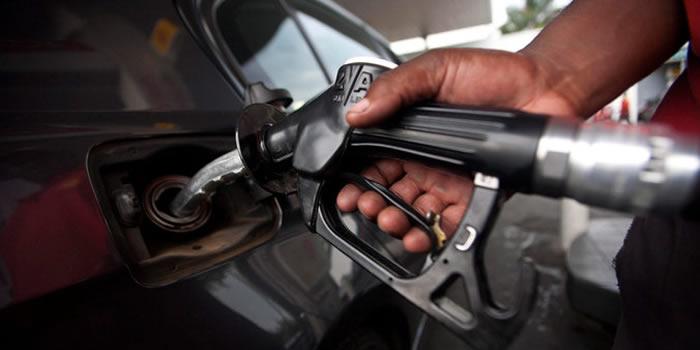
Zimbabwe’s much‑anticipated diesel price relief has failed to materialise, with the latest review by the Zimbabwe Energy Regulatory Authority (ZERA) showing pump prices have increased despite Government’s dramatic tax suspension.
In a statement issued on 2 April, ZERA set the price of diesel at US$2.11 per litre, up from about US$2.05, while petrol (E5 blend) rose to US$2.23 per litre.
The adjustment came barely 24 hours after Finance Minister Mthuli Ncube announced the scrapping of all taxes and levies on diesel — a move expected to significantly reduce prices by removing charges amounting to roughly US$0.54 per litre.
Instead of falling, diesel prices edged upward.
ZERA attributed the increase to rising international fuel costs, revealing that the Free On Board (FOB) price of diesel had surged by 33.16% since the last review. Petrol FOB prices also rose, though more modestly, by 5.96%.
“While Government ensures security of supply, cost pressures are piling up and require regular price reviews to avoid shortages and arbitrage,” ZERA said.
The authority maintained that without Government intervention, diesel could have climbed to around US$2.65 per litre, suggesting the tax removal helped cushion what would have been a sharper spike.
Authorities say Zimbabwe currently holds more than three months’ worth of fuel stocks, supported by imports through Beira and inland storage facilities. Government is also widening supply routes by allowing diesel imports by road, in addition to pipeline and rail, to stabilise availability amid global disruptions linked to tensions in the Middle East.
Despite the tax relief, Zimbabwe’s fuel prices remain among the highest in the region — a long‑standing trend driven by import costs, exchange rate dynamics and previously heavy taxation.
Diesel is a key driver of economic activity, powering transport, mining and agriculture. Analysts warn that the failure of prices to drop immediately may delay relief for businesses and consumers who had hoped the tax suspension would ease operational pressures.
Treasury had positioned the measure as a bold step to cushion the economy and tame inflation.
Petrol prices — which still carry taxes — are expected to decline in the next review cycle as ethanol blending increases, potentially lowering costs by about 18 cents per litre.
However, motorists who spoke to Bulawayo24 News expressed concern that higher ethanol blending ratios may actually increase costs in the long run.
“The pump price may go down but we end up with an inferior product. Where I used to do two trips with 5 litres of petrol, I may end up needing 8 to 10 litres. The higher blend ratio is also not good for my engine. I have to replace parts more frequently because the inferior grade fuel damages them,” said a kombi driver in Bulawayo. “It would be better to buy the supposedly more expensive fuel than the diluted stuff that is dangerous for our vehicles.”
In a statement issued on 2 April, ZERA set the price of diesel at US$2.11 per litre, up from about US$2.05, while petrol (E5 blend) rose to US$2.23 per litre.
The adjustment came barely 24 hours after Finance Minister Mthuli Ncube announced the scrapping of all taxes and levies on diesel — a move expected to significantly reduce prices by removing charges amounting to roughly US$0.54 per litre.
Instead of falling, diesel prices edged upward.
ZERA attributed the increase to rising international fuel costs, revealing that the Free On Board (FOB) price of diesel had surged by 33.16% since the last review. Petrol FOB prices also rose, though more modestly, by 5.96%.
“While Government ensures security of supply, cost pressures are piling up and require regular price reviews to avoid shortages and arbitrage,” ZERA said.
The authority maintained that without Government intervention, diesel could have climbed to around US$2.65 per litre, suggesting the tax removal helped cushion what would have been a sharper spike.
Despite the tax relief, Zimbabwe’s fuel prices remain among the highest in the region — a long‑standing trend driven by import costs, exchange rate dynamics and previously heavy taxation.
Diesel is a key driver of economic activity, powering transport, mining and agriculture. Analysts warn that the failure of prices to drop immediately may delay relief for businesses and consumers who had hoped the tax suspension would ease operational pressures.
Treasury had positioned the measure as a bold step to cushion the economy and tame inflation.
Petrol prices — which still carry taxes — are expected to decline in the next review cycle as ethanol blending increases, potentially lowering costs by about 18 cents per litre.
However, motorists who spoke to Bulawayo24 News expressed concern that higher ethanol blending ratios may actually increase costs in the long run.
“The pump price may go down but we end up with an inferior product. Where I used to do two trips with 5 litres of petrol, I may end up needing 8 to 10 litres. The higher blend ratio is also not good for my engine. I have to replace parts more frequently because the inferior grade fuel damages them,” said a kombi driver in Bulawayo. “It would be better to buy the supposedly more expensive fuel than the diluted stuff that is dangerous for our vehicles.”
Source - Byo24news
Join the discussion
Loading comments…





