News / National
Mnangagwa demotes rights commission chair after constitutional amendment rebuke
11 Apr 2026 at 07:14hrs |
0 Views
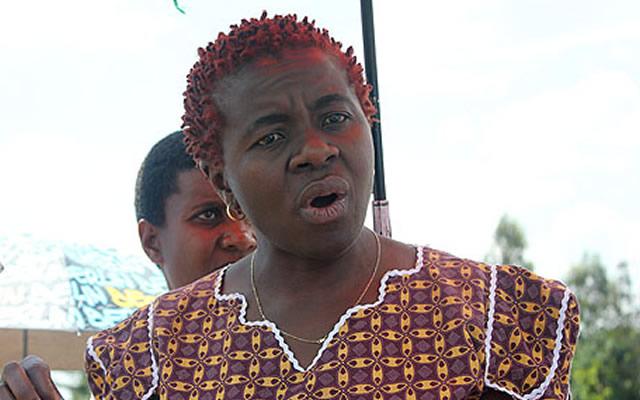
President Emmerson Mnangagwa's decision to reassign Fungayi Jessie Majome from the Zimbabwe Human Rights Commission (ZHRC) to the Public Service Commission has triggered fierce backlash from legal experts, who argue the move is unconstitutional and void.
The reassignment, announced in a statement signed by Chief Secretary to the President and Cabinet Martin Rushwaya, took immediate effect and cited Section 202(1)(b) of the Constitution as the legal basis.
However, the move comes just days after the ZHRC released a strongly worded report criticising the conduct of public hearings on the Constitutional Amendment Bill No. 3 (CAB3), raising questions about timing and motive.
In its April 7 report, the commission detailed widespread irregularities during public consultations held between March 30 and April 4 across the country.
The ZHRC said individuals opposed to the bill were subjected to harassment, intimidation, and, in some cases, physical violence. It also reported "controlled participation," with access to venues allegedly restricted and monitored.
In Mhondoro Ngezi, the commission noted that men wielding whips were involved in vetting participants—an act it said violated constitutional rights including freedom of expression, equality, human dignity and personal security.
Despite high attendance and broad participation, the commission concluded that the process fell short of constitutional standards and called for greater tolerance and respect for dissenting views.
The reassignment has been widely criticised by legal practitioners, who argue it effectively amounts to an unlawful removal from office.
Senior advocate Thabani Mpofu said members of independent commissions can only be removed under Section 237 of the Constitution, which requires a tribunal process similar to that used for judges.
"Reassigning Jessie Majome to the Public Service Commission therefore constitutes removal from office and is unconstitutional," Mpofu said, adding that reliance on Section 202(1)(b) was misplaced.
Constitutional law expert Lovemore Madhuku linked the move directly to the ZHRC's findings on CAB3.
"Jessie Majome turned the ZHRC into a truly independent body… For that, the president has dismissed her," he said.
Other lawyers echoed similar concerns. Obey Shava described the move as "illegal" and a "constitutional abomination," while Justice Mavedzenge said the president had no legal authority to effect such a reassignment.
CAB3 has emerged as a highly contentious reform proposal, with critics arguing it could extend Mnangagwa's term and alter presidential election processes, while also reshaping succession mechanisms within the ruling party.
The timing of Majome's reassignment—just days after the ZHRC's critical report—has intensified claims that dissenting institutional voices are being sidelined.
Majome, a former opposition legislator and senior lawyer, had recently drawn attention for leading what observers described as one of the commission's most assertive interventions on a politically sensitive issue.
The development sets the stage for a potential legal and constitutional showdown, with calls already mounting for the decision to be challenged in court.
The reassignment, announced in a statement signed by Chief Secretary to the President and Cabinet Martin Rushwaya, took immediate effect and cited Section 202(1)(b) of the Constitution as the legal basis.
However, the move comes just days after the ZHRC released a strongly worded report criticising the conduct of public hearings on the Constitutional Amendment Bill No. 3 (CAB3), raising questions about timing and motive.
In its April 7 report, the commission detailed widespread irregularities during public consultations held between March 30 and April 4 across the country.
The ZHRC said individuals opposed to the bill were subjected to harassment, intimidation, and, in some cases, physical violence. It also reported "controlled participation," with access to venues allegedly restricted and monitored.
In Mhondoro Ngezi, the commission noted that men wielding whips were involved in vetting participants—an act it said violated constitutional rights including freedom of expression, equality, human dignity and personal security.
Despite high attendance and broad participation, the commission concluded that the process fell short of constitutional standards and called for greater tolerance and respect for dissenting views.
The reassignment has been widely criticised by legal practitioners, who argue it effectively amounts to an unlawful removal from office.
Senior advocate Thabani Mpofu said members of independent commissions can only be removed under Section 237 of the Constitution, which requires a tribunal process similar to that used for judges.
"Reassigning Jessie Majome to the Public Service Commission therefore constitutes removal from office and is unconstitutional," Mpofu said, adding that reliance on Section 202(1)(b) was misplaced.
Constitutional law expert Lovemore Madhuku linked the move directly to the ZHRC's findings on CAB3.
"Jessie Majome turned the ZHRC into a truly independent body… For that, the president has dismissed her," he said.
Other lawyers echoed similar concerns. Obey Shava described the move as "illegal" and a "constitutional abomination," while Justice Mavedzenge said the president had no legal authority to effect such a reassignment.
CAB3 has emerged as a highly contentious reform proposal, with critics arguing it could extend Mnangagwa's term and alter presidential election processes, while also reshaping succession mechanisms within the ruling party.
The timing of Majome's reassignment—just days after the ZHRC's critical report—has intensified claims that dissenting institutional voices are being sidelined.
Majome, a former opposition legislator and senior lawyer, had recently drawn attention for leading what observers described as one of the commission's most assertive interventions on a politically sensitive issue.
The development sets the stage for a potential legal and constitutional showdown, with calls already mounting for the decision to be challenged in court.
Source - zimlive
Join the discussion
Loading comments…





