News / National
Malaria outbreak kills 20 in Mashonaland West
12 Apr 2026 at 17:53hrs |
866 Views
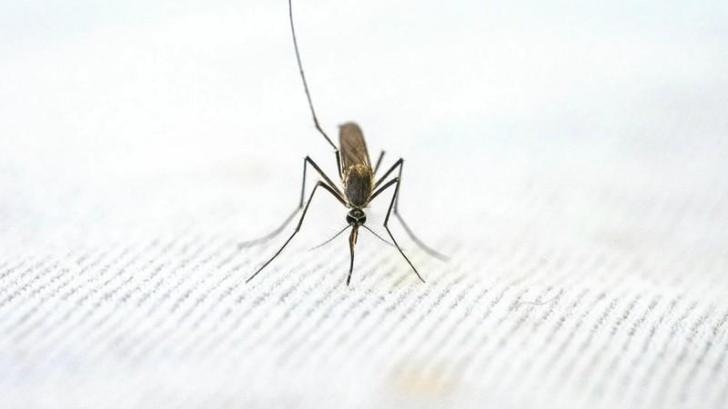
A worsening malaria outbreak in Mashonaland West Province has claimed 20 lives and infected more than 5 000 people since the beginning of the year, according to the latest provincial health situation report.
Health authorities say a cumulative total of 5 087 cases have been recorded across the province, with the outbreak now affecting all seven districts despite the rainy season drawing to a close.
The situation has raised concern among public health officials, who warn that transmission remains high in several hotspots, with 64 new infections recorded within a 24-hour period.
The outbreak has spread across Kariba, Hurungwe, Makonde, Sanyati, Mhondoro Ngezi, Chegutu and Zvimba districts. Officials say Kariba, Hurungwe, Makonde and Sanyati are currently classified as being under control, while Mhondoro Ngezi, Chegutu and Zvimba remain in the elimination phase.
In the latest daily update, Hurungwe recorded the highest number of new cases with 23 infections, followed by Sanyati with 19 and Kariba with nine. Makonde reported seven cases, while Mhondoro Ngezi and Zvimba recorded three cases each.
Health officials have also raised concern over the impact on vulnerable groups, noting that seven of the latest cases were recorded among children under five, while four involved pregnant women.
Public health expert Johannes Marisa said delays in diagnosis are contributing significantly to the rising number of fatalities.
"Delays in malaria diagnosis are contributing to the high death rate, increasing the likelihood of fatalities," he said.
In response to the outbreak, health teams have intensified surveillance, community mobilisation, and case management efforts across affected districts. Community health workers are conducting active case detection, while awareness campaigns are being rolled out to promote prevention and early treatment.
However, authorities have expressed concern over shortages of insecticide-treated mosquito nets, which are currently out of stock in all targeted districts, although procurement processes are reportedly underway.
Malaria remains one of Zimbabwe's most persistent public health challenges, with transmission closely linked to rainfall patterns and warm, humid conditions that favour mosquito breeding.
The peak transmission season typically runs from November to June, and officials are warning that continued vigilance is required to prevent further spread and additional loss of life.
Health authorities say a cumulative total of 5 087 cases have been recorded across the province, with the outbreak now affecting all seven districts despite the rainy season drawing to a close.
The situation has raised concern among public health officials, who warn that transmission remains high in several hotspots, with 64 new infections recorded within a 24-hour period.
The outbreak has spread across Kariba, Hurungwe, Makonde, Sanyati, Mhondoro Ngezi, Chegutu and Zvimba districts. Officials say Kariba, Hurungwe, Makonde and Sanyati are currently classified as being under control, while Mhondoro Ngezi, Chegutu and Zvimba remain in the elimination phase.
In the latest daily update, Hurungwe recorded the highest number of new cases with 23 infections, followed by Sanyati with 19 and Kariba with nine. Makonde reported seven cases, while Mhondoro Ngezi and Zvimba recorded three cases each.
Health officials have also raised concern over the impact on vulnerable groups, noting that seven of the latest cases were recorded among children under five, while four involved pregnant women.
Public health expert Johannes Marisa said delays in diagnosis are contributing significantly to the rising number of fatalities.
"Delays in malaria diagnosis are contributing to the high death rate, increasing the likelihood of fatalities," he said.
In response to the outbreak, health teams have intensified surveillance, community mobilisation, and case management efforts across affected districts. Community health workers are conducting active case detection, while awareness campaigns are being rolled out to promote prevention and early treatment.
However, authorities have expressed concern over shortages of insecticide-treated mosquito nets, which are currently out of stock in all targeted districts, although procurement processes are reportedly underway.
Malaria remains one of Zimbabwe's most persistent public health challenges, with transmission closely linked to rainfall patterns and warm, humid conditions that favour mosquito breeding.
The peak transmission season typically runs from November to June, and officials are warning that continued vigilance is required to prevent further spread and additional loss of life.
Source - The Standard
Join the discussion
Loading comments…




