News / National
Bulawayo City Council wage bill exceeds govt limits
19 May 2026 at 20:12hrs |
0 Views
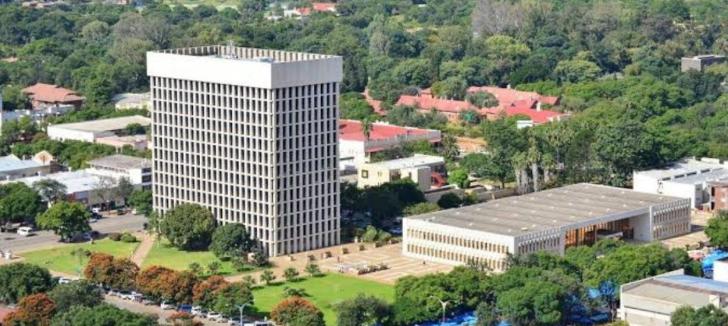
Bulawayo City Council is facing mounting financial pressure after salaries consumed more than half of its 2026 budget, placing the local authority in breach of Government-prescribed expenditure ratios.
Confidential council documents reveal that the city's salary-to-service delivery ratio currently stands at 52:48, significantly above the mandatory 30:70 threshold set under Statutory Instrument 170 of 2025 and Statutory Instrument 69 of 2026.
The worsening financial situation comes as council workers intensify demands for another salary increase amid rising economic pressures.
According to a report titled Collective Bargaining: Request for a Mandate – Unions Position Paper First Quarter 2026, presented by human capital director Makhosi Tshalebwa, the local authority has resolved to enter salary negotiations with what it described as a "zero mandate" due to limited fiscal space and declining revenues.
The report followed submissions from the Zimbabwe Urban Councils Workers Union (ZUCWU) and the Progressive Allied Municipal Workers Union (PAMWU).
Council reportedly delayed the matter pending approval of the 2026 budget by the Ministry of Local Government and Public Works.
However, the report states that Government later directed local authorities to reduce selected tariffs and licence fees, a move that significantly reduced projected income.
"Following the approval of the budget by the parent ministry, Central Government authorised a mandatory reduction in targeted tariffs and licence fees in local authorities. Such a move had an adverse effect on council's budgeted income, hence this carries a ripple effect to council's expenditure budget, payroll costs included," the report stated.
In March this year, council engaged finance director Tennyson Mpunzi to assess whether the local authority could absorb additional labour costs.
In a memorandum dated March 23, 2026, Mpunzi reportedly outlined the severity of the city's financial challenges.
"The 2026 Revenue Budget is US$153 million, and the staff costs budget is US$78 million. The revenue budget salary to service costs ratio is 52:48 as opposed to 30:70 prescribed by the ministry. In terms of cash collections, staff costs take up 67 percent of the total cash collected," the memorandum read.
The report further noted that the current wage bill structure directly conflicts with Government regulations requiring local authorities to prioritise service delivery expenditure ahead of employment costs.
Faced with shrinking revenue inflows and growing operational demands, council has reportedly resolved against committing to further salary increases during the current fiscal year.
The developments highlight growing financial strain within local authorities as municipalities struggle to balance wage obligations, service delivery requirements and reduced revenue streams under tightening Government regulations.
Confidential council documents reveal that the city's salary-to-service delivery ratio currently stands at 52:48, significantly above the mandatory 30:70 threshold set under Statutory Instrument 170 of 2025 and Statutory Instrument 69 of 2026.
The worsening financial situation comes as council workers intensify demands for another salary increase amid rising economic pressures.
According to a report titled Collective Bargaining: Request for a Mandate – Unions Position Paper First Quarter 2026, presented by human capital director Makhosi Tshalebwa, the local authority has resolved to enter salary negotiations with what it described as a "zero mandate" due to limited fiscal space and declining revenues.
The report followed submissions from the Zimbabwe Urban Councils Workers Union (ZUCWU) and the Progressive Allied Municipal Workers Union (PAMWU).
Council reportedly delayed the matter pending approval of the 2026 budget by the Ministry of Local Government and Public Works.
However, the report states that Government later directed local authorities to reduce selected tariffs and licence fees, a move that significantly reduced projected income.
In March this year, council engaged finance director Tennyson Mpunzi to assess whether the local authority could absorb additional labour costs.
In a memorandum dated March 23, 2026, Mpunzi reportedly outlined the severity of the city's financial challenges.
"The 2026 Revenue Budget is US$153 million, and the staff costs budget is US$78 million. The revenue budget salary to service costs ratio is 52:48 as opposed to 30:70 prescribed by the ministry. In terms of cash collections, staff costs take up 67 percent of the total cash collected," the memorandum read.
The report further noted that the current wage bill structure directly conflicts with Government regulations requiring local authorities to prioritise service delivery expenditure ahead of employment costs.
Faced with shrinking revenue inflows and growing operational demands, council has reportedly resolved against committing to further salary increases during the current fiscal year.
The developments highlight growing financial strain within local authorities as municipalities struggle to balance wage obligations, service delivery requirements and reduced revenue streams under tightening Government regulations.
Source - The Chronicle
Join the discussion
Loading comments…




