News / National
ConCourt clears way for CAB3
22 Jun 2026 at 09:39hrs |
0 Views
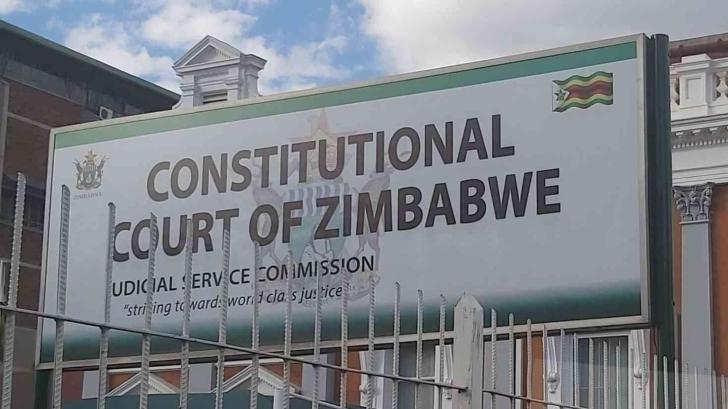
The Constitutional Court has dismissed a legal challenge brought by former Binga North legislator Prince Dubeko Sibanda against the Constitution Amendment (No. 3) Bill (CAB3), removing a significant legal obstacle to the controversial legislation as it heads to the Senate.
In a unanimous judgment authored by Justice Bharat Patel and endorsed by Chief Justice Elizabeth Gwaunza, Deputy Chief Justice Paddington Garwe, and other members of the Constitutional Court bench, the court ruled that Sibanda's application was premature because the legislative process had not yet been completed.
The ruling leaves intact Parliament's ongoing consideration of the constitutional amendment proposal and reinforces the judiciary's reluctance to intervene before political and legislative processes have run their full course.
The decision marks the second unsuccessful court challenge against CAB3 in recent months, following an earlier failed attempt by war veterans who sought judicial intervention to stop the amendment process.
Supporters of the Bill welcomed the judgment, arguing that it removes unnecessary legal uncertainty around a proposal they believe will strengthen governance, political stability and long-term national development.
The proposed legislation has generated intense debate across the political spectrum, with supporters and opponents sharply divided over its implications.
At the centre of Sibanda's application were clauses 4(b) and 9(b) of the proposed amendment, which he argued sought to circumvent Section 328(7) of the Constitution.
That constitutional provision is intended to prevent amendments extending presidential term limits from benefiting incumbents already holding office.
Sibanda argued that Parliament had breached its constitutional obligations by processing a Bill that purported to operate "notwithstanding Section 328(7)."
However, the Constitutional Court declined to address the substance of those arguments, focusing instead on whether the matter was ripe for judicial determination.
Justice Patel said the answer was clearly no.
The court noted that when the application was filed, the Bill remained within the legislative process and had not yet taken final form.
Judges observed that legislation under consideration can still be amended, altered, rejected or withdrawn entirely before becoming law.
"The final shape and form of the Bill remain presently unknown," Justice Patel wrote.
The judgment stressed that courts are required to determine actual constitutional disputes rather than hypothetical future scenarios.
In doing so, the court underscored the principle of separation of powers, emphasising that Parliament must be allowed to perform its constitutional role without premature judicial interference.
The judges also highlighted existing constitutional safeguards that remain available later in the process, including the President's authority to refer legislation back to Parliament or seek an advisory opinion from the Constitutional Court should constitutional concerns arise after passage.
The ruling comes shortly after the National Assembly overwhelmingly approved CAB3, with 216 legislators voting in favour of the Bill, comfortably exceeding the two-thirds majority threshold of 187 votes required for constitutional amendments.
Forty-two legislators voted against the proposal.
The outcome reflected notable cross-party backing, with at least 35 opposition legislators joining Zanu-PF lawmakers in supporting the Bill.
During parliamentary deliberations, legislators also raised proposals that Parliament should play a consultative role in the appointment of the additional ten senators envisaged under CAB3.
The Bill now proceeds to the Senate, where it must again secure a two-thirds majority before advancing to the next stage.
Political analysts believe the legislation stands a strong chance of passing in the upper chamber given Zanu-PF's numerical dominance in the Senate.
If approved, the Bill will then be presented to President Emmerson Mnangagwa for assent.
With two court challenges now unsuccessful and the National Assembly having already endorsed the proposal, CAB3 has moved significantly closer to becoming law, setting the stage for what is expected to be another closely watched debate in the Senate.
In a unanimous judgment authored by Justice Bharat Patel and endorsed by Chief Justice Elizabeth Gwaunza, Deputy Chief Justice Paddington Garwe, and other members of the Constitutional Court bench, the court ruled that Sibanda's application was premature because the legislative process had not yet been completed.
The ruling leaves intact Parliament's ongoing consideration of the constitutional amendment proposal and reinforces the judiciary's reluctance to intervene before political and legislative processes have run their full course.
The decision marks the second unsuccessful court challenge against CAB3 in recent months, following an earlier failed attempt by war veterans who sought judicial intervention to stop the amendment process.
Supporters of the Bill welcomed the judgment, arguing that it removes unnecessary legal uncertainty around a proposal they believe will strengthen governance, political stability and long-term national development.
The proposed legislation has generated intense debate across the political spectrum, with supporters and opponents sharply divided over its implications.
At the centre of Sibanda's application were clauses 4(b) and 9(b) of the proposed amendment, which he argued sought to circumvent Section 328(7) of the Constitution.
That constitutional provision is intended to prevent amendments extending presidential term limits from benefiting incumbents already holding office.
Sibanda argued that Parliament had breached its constitutional obligations by processing a Bill that purported to operate "notwithstanding Section 328(7)."
However, the Constitutional Court declined to address the substance of those arguments, focusing instead on whether the matter was ripe for judicial determination.
Justice Patel said the answer was clearly no.
The court noted that when the application was filed, the Bill remained within the legislative process and had not yet taken final form.
"The final shape and form of the Bill remain presently unknown," Justice Patel wrote.
The judgment stressed that courts are required to determine actual constitutional disputes rather than hypothetical future scenarios.
In doing so, the court underscored the principle of separation of powers, emphasising that Parliament must be allowed to perform its constitutional role without premature judicial interference.
The judges also highlighted existing constitutional safeguards that remain available later in the process, including the President's authority to refer legislation back to Parliament or seek an advisory opinion from the Constitutional Court should constitutional concerns arise after passage.
The ruling comes shortly after the National Assembly overwhelmingly approved CAB3, with 216 legislators voting in favour of the Bill, comfortably exceeding the two-thirds majority threshold of 187 votes required for constitutional amendments.
Forty-two legislators voted against the proposal.
The outcome reflected notable cross-party backing, with at least 35 opposition legislators joining Zanu-PF lawmakers in supporting the Bill.
During parliamentary deliberations, legislators also raised proposals that Parliament should play a consultative role in the appointment of the additional ten senators envisaged under CAB3.
The Bill now proceeds to the Senate, where it must again secure a two-thirds majority before advancing to the next stage.
Political analysts believe the legislation stands a strong chance of passing in the upper chamber given Zanu-PF's numerical dominance in the Senate.
If approved, the Bill will then be presented to President Emmerson Mnangagwa for assent.
With two court challenges now unsuccessful and the National Assembly having already endorsed the proposal, CAB3 has moved significantly closer to becoming law, setting the stage for what is expected to be another closely watched debate in the Senate.
Source - The Herald
Join the discussion
Loading comments…


