News / National
Mapfumo's Chivayo deal sparks debate
15 Jul 2026 at 16:25hrs |
384 Views
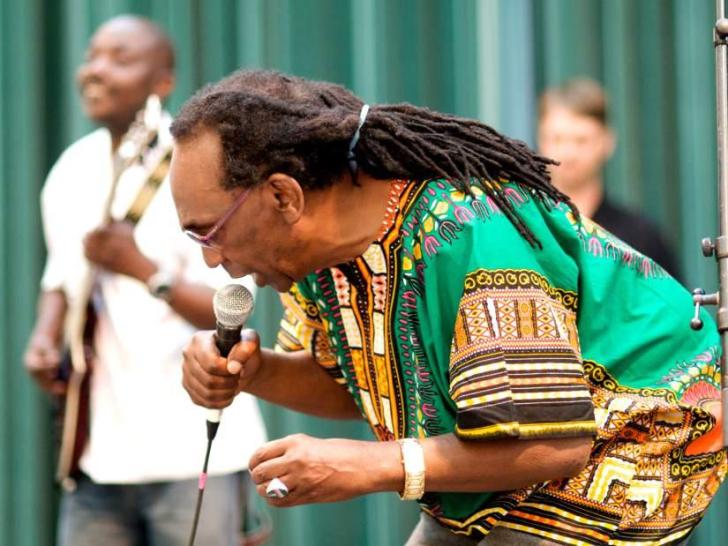
Zimbabwe's heated debate over Thomas "Mukanya" Mapfumo's decision to accept controversial businessman Wicknell Chivayo's reported US$1 million performance package has intensified, with family members, lawyers and public commentators offering sharply contrasting views on the veteran musician's decision.
The latest voice to enter the debate is Kurai Makore, Mapfumo's nephew and leader of the Black Lions band, who appealed to Zimbabweans to stop attacking the 81-year-old Chimurenga legend over what he described as a legitimate business arrangement.
Mapfumo recently confirmed that he had accepted Chivayo's invitation to perform at Jah Prayzah's wedding and at Chivayo's birthday celebrations, stressing that he was being paid for his professional services as a musician rather than receiving a personal gift.
Makore, whom Mapfumo has identified as the heir to his Chimurenga music legacy, urged critics to respect the veteran artist's independence.
"I have been seeing a lot of negative energy directed towards my uncle and that alone does not make me happy," Makore said.
"Some people have been calling my father figure a sell-out and I think they should withdraw those statements."
He argued that Chivayo was recognising one of Zimbabwe's greatest musicians and questioned what many of the online critics had done to support Mapfumo throughout his decades-long career.
"We need to be fair and allow our legend to make his own decisions. He has made his choice and we should respect it," he said.
Makore also dismissed criticism directed at him for supporting his uncle's return to Zimbabwe, saying he would continue defending both his family and Mapfumo's musical legacy.
Meanwhile, Chivayo has continued to raise the profile of the arrangement, declaring that Mapfumo is now "a confirmed and official millionaire in US dollars."
In addition to the reported US$1 million performance package, Chivayo publicly pledged to gift the musician a Toyota Land Cruiser 300 Series ZX and offered to purchase him a house in Borrowdale, saying the property would enable Mapfumo and his friends to enjoy private performances. He said the title deeds would be registered solely in the musician's name.
However, the arrangement has continued to divide public opinion.
UK-based lawyer and political commentator Brighton Mutebuka said that while he opposed attempts to "cancel" Mapfumo, he believed the musician had made a serious error of judgment.
"The unerring verdict is that the great, iconic figure of Mukanya has stumbled and made a monumental error of judgment," Mutebuka wrote.
He argued that Mapfumo's reputation had been built over decades of resisting political patronage and corruption, making his acceptance of Chivayo's offer particularly disappointing to many Zimbabweans.
According to Mutebuka, the value of Mapfumo's reputation exceeded any financial reward.
"What was valuable, priceless, was his clean and untainted reputation," he wrote, arguing that Chivayo had succeeded in associating himself with one of Zimbabwe's few remaining universally respected cultural figures.
Even so, Mutebuka said Mapfumo's decades of sacrifice and contribution to Zimbabwe's struggle against oppression should not be erased because of a single decision.
He said he would continue celebrating classics such as Tinofara, Mamvemve and Nyoka Musango, describing the musician's contribution to Zimbabwe's cultural and political history as immense despite his disagreement with the latest development.
The controversy has also prompted broader reflection on the expectations placed on public figures.
Nehanda Radio columnist Gabriel Manyati argued that Zimbabweans often demand impossible moral standards from ageing cultural icons while accepting compromise in almost every other sphere of society.
Manyati questioned why artists are expected to reject financial security in old age when politicians, businesspeople and ordinary citizens routinely make pragmatic decisions to survive.
He argued that accepting payment for performances does not automatically amount to political endorsement and suggested that many Zimbabweans were mourning "an idealised version" of Mapfumo rather than responding to evidence that he had abandoned his long-held principles.
As reactions continue to emerge, the debate has grown beyond Mapfumo's decision itself, evolving into a wider national conversation about legacy, political patronage, artistic independence and the expectations Zimbabweans place on the public figures they regard as national icons.
The latest voice to enter the debate is Kurai Makore, Mapfumo's nephew and leader of the Black Lions band, who appealed to Zimbabweans to stop attacking the 81-year-old Chimurenga legend over what he described as a legitimate business arrangement.
Mapfumo recently confirmed that he had accepted Chivayo's invitation to perform at Jah Prayzah's wedding and at Chivayo's birthday celebrations, stressing that he was being paid for his professional services as a musician rather than receiving a personal gift.
Makore, whom Mapfumo has identified as the heir to his Chimurenga music legacy, urged critics to respect the veteran artist's independence.
"I have been seeing a lot of negative energy directed towards my uncle and that alone does not make me happy," Makore said.
"Some people have been calling my father figure a sell-out and I think they should withdraw those statements."
He argued that Chivayo was recognising one of Zimbabwe's greatest musicians and questioned what many of the online critics had done to support Mapfumo throughout his decades-long career.
"We need to be fair and allow our legend to make his own decisions. He has made his choice and we should respect it," he said.
Makore also dismissed criticism directed at him for supporting his uncle's return to Zimbabwe, saying he would continue defending both his family and Mapfumo's musical legacy.
Meanwhile, Chivayo has continued to raise the profile of the arrangement, declaring that Mapfumo is now "a confirmed and official millionaire in US dollars."
In addition to the reported US$1 million performance package, Chivayo publicly pledged to gift the musician a Toyota Land Cruiser 300 Series ZX and offered to purchase him a house in Borrowdale, saying the property would enable Mapfumo and his friends to enjoy private performances. He said the title deeds would be registered solely in the musician's name.
However, the arrangement has continued to divide public opinion.
"The unerring verdict is that the great, iconic figure of Mukanya has stumbled and made a monumental error of judgment," Mutebuka wrote.
He argued that Mapfumo's reputation had been built over decades of resisting political patronage and corruption, making his acceptance of Chivayo's offer particularly disappointing to many Zimbabweans.
According to Mutebuka, the value of Mapfumo's reputation exceeded any financial reward.
"What was valuable, priceless, was his clean and untainted reputation," he wrote, arguing that Chivayo had succeeded in associating himself with one of Zimbabwe's few remaining universally respected cultural figures.
Even so, Mutebuka said Mapfumo's decades of sacrifice and contribution to Zimbabwe's struggle against oppression should not be erased because of a single decision.
He said he would continue celebrating classics such as Tinofara, Mamvemve and Nyoka Musango, describing the musician's contribution to Zimbabwe's cultural and political history as immense despite his disagreement with the latest development.
The controversy has also prompted broader reflection on the expectations placed on public figures.
Nehanda Radio columnist Gabriel Manyati argued that Zimbabweans often demand impossible moral standards from ageing cultural icons while accepting compromise in almost every other sphere of society.
Manyati questioned why artists are expected to reject financial security in old age when politicians, businesspeople and ordinary citizens routinely make pragmatic decisions to survive.
He argued that accepting payment for performances does not automatically amount to political endorsement and suggested that many Zimbabweans were mourning "an idealised version" of Mapfumo rather than responding to evidence that he had abandoned his long-held principles.
As reactions continue to emerge, the debate has grown beyond Mapfumo's decision itself, evolving into a wider national conversation about legacy, political patronage, artistic independence and the expectations Zimbabweans place on the public figures they regard as national icons.
Source - nehanda
Join the discussion
Loading comments…


