News / National
Chin'ono questions government response after Kariba boat tragedy
13 Aug 2026 at 22:30hrs |
0 Views
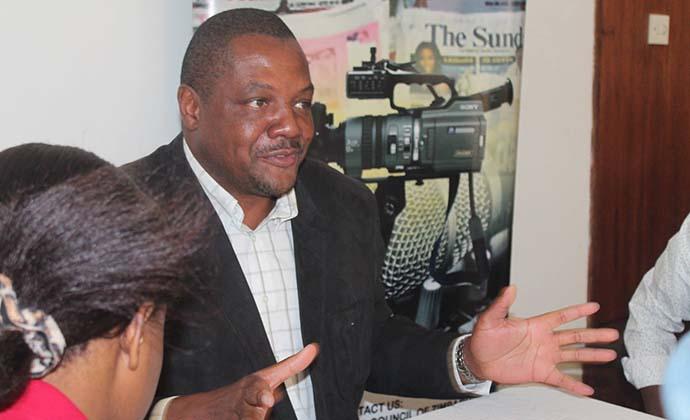
Journalist Hopewell Chin’ono has questioned the government’s handling of the Lake Kariba boat tragedy, saying the deaths of about 44 people should prompt serious scrutiny of whether earlier warnings about the condition of government‑operated vessels were ignored.
His intervention comes amid growing concern over the disaster, which has left families mourning and raised questions about the safety standards governing vessels used to transport members of the public. Chin’ono said the tragedy should not be reduced to condolences and political messaging, arguing that the priority should be establishing whether the disaster could have been prevented.
“The Kariba tragedy should not end with condolences and propaganda. If government officials were warned about the condition of these vessels more than a year before lives were lost, then the fundamental questions are: who received the warning, what did they do with it, and why was the public not protected? The families of the victims deserve answers, not spin,” he said.
The controversy has been linked to a warning reportedly made publicly to government spokesperson Nick Mangwana on 15 February 2025. Norman Sianjeme is reported to have raised concerns about the age and condition of vessels operated by the government agency responsible for inland water transport, warning that they posed a potential disaster risk. The resurfacing of that warning after the tragedy has intensified calls for authorities to establish whether it was brought to the attention of officials responsible for vessel safety.
Critics say the key question is whether government had information indicating that some vessels were unsafe and, if so, what was done about it. Questions are also being raised over whether the vessels underwent regular inspections, whether maintenance schedules were followed and whether officials acted on complaints or warnings concerning their seaworthiness.
Chin’ono said the public deserved transparency over the circumstances surrounding the disaster. The tragedy has also generated criticism of government communication, particularly social media posts by Mangwana during a period of national mourning. As the government’s chief spokesperson, Mangwana occupies a sensitive position in communicating with the public during national emergencies. Critics argue that such communication should be guided by empathy, factual information and accountability, particularly when families are grieving.
The debate has therefore moved beyond the immediate circumstances of the sinking to the broader question of institutional accountability. If it is established that warnings concerning vessel safety were made before the tragedy, investigators will need to determine whether the warnings reached the appropriate authorities and whether inspections or corrective measures were undertaken. If no action was taken, the reasons for that failure should be made public.
The investigation should also examine the vessel’s maintenance records, inspection history, passenger capacity, safety equipment, crew qualifications and compliance with applicable maritime safety requirements. Such an inquiry would help determine whether the sinking was an unavoidable accident or whether failures in maintenance, oversight, regulation or emergency preparedness contributed to the loss of life.
For the families of the victims, the questions are immediate and deeply personal. They want to know what happened to their loved ones and whether anything could have been done to prevent their deaths. The government faces growing pressure to provide those answers through a transparent and credible investigation.
The tragedy also presents an opportunity for authorities to review the condition of government‑owned vessels operating on Zimbabwe’s inland waters and ensure that unsafe vessels are not allowed to carry passengers. Chin’ono’s intervention has consequently placed the issue of prior warnings at the centre of the debate. If the February 2025 warning can be verified, it could become an important part of determining whether government institutions had advance knowledge of potential safety risks.
Ultimately, the Kariba disaster requires more than political statements. It requires answers, accountability and measures to ensure that warnings about public safety are acted upon before they become obituaries.
This analysis contributes to wider discussions around public safety accountability and maritime regulation.
His intervention comes amid growing concern over the disaster, which has left families mourning and raised questions about the safety standards governing vessels used to transport members of the public. Chin’ono said the tragedy should not be reduced to condolences and political messaging, arguing that the priority should be establishing whether the disaster could have been prevented.
“The Kariba tragedy should not end with condolences and propaganda. If government officials were warned about the condition of these vessels more than a year before lives were lost, then the fundamental questions are: who received the warning, what did they do with it, and why was the public not protected? The families of the victims deserve answers, not spin,” he said.
The controversy has been linked to a warning reportedly made publicly to government spokesperson Nick Mangwana on 15 February 2025. Norman Sianjeme is reported to have raised concerns about the age and condition of vessels operated by the government agency responsible for inland water transport, warning that they posed a potential disaster risk. The resurfacing of that warning after the tragedy has intensified calls for authorities to establish whether it was brought to the attention of officials responsible for vessel safety.
Critics say the key question is whether government had information indicating that some vessels were unsafe and, if so, what was done about it. Questions are also being raised over whether the vessels underwent regular inspections, whether maintenance schedules were followed and whether officials acted on complaints or warnings concerning their seaworthiness.
Chin’ono said the public deserved transparency over the circumstances surrounding the disaster. The tragedy has also generated criticism of government communication, particularly social media posts by Mangwana during a period of national mourning. As the government’s chief spokesperson, Mangwana occupies a sensitive position in communicating with the public during national emergencies. Critics argue that such communication should be guided by empathy, factual information and accountability, particularly when families are grieving.
The investigation should also examine the vessel’s maintenance records, inspection history, passenger capacity, safety equipment, crew qualifications and compliance with applicable maritime safety requirements. Such an inquiry would help determine whether the sinking was an unavoidable accident or whether failures in maintenance, oversight, regulation or emergency preparedness contributed to the loss of life.
For the families of the victims, the questions are immediate and deeply personal. They want to know what happened to their loved ones and whether anything could have been done to prevent their deaths. The government faces growing pressure to provide those answers through a transparent and credible investigation.
The tragedy also presents an opportunity for authorities to review the condition of government‑owned vessels operating on Zimbabwe’s inland waters and ensure that unsafe vessels are not allowed to carry passengers. Chin’ono’s intervention has consequently placed the issue of prior warnings at the centre of the debate. If the February 2025 warning can be verified, it could become an important part of determining whether government institutions had advance knowledge of potential safety risks.
Ultimately, the Kariba disaster requires more than political statements. It requires answers, accountability and measures to ensure that warnings about public safety are acted upon before they become obituaries.
This analysis contributes to wider discussions around public safety accountability and maritime regulation.
Source - Byo24news
Join the discussion
Loading comments…





