Technology / Other
The Evolution of Mobile Sports Forecasting
01 Feb 2026 at 15:59hrs |
0 Views
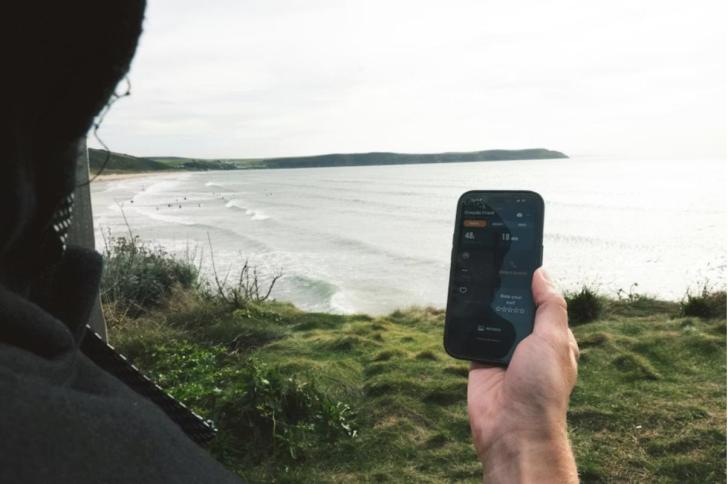
The way people study sports has changed. Years ago, you had to sit at a desk to look up stats. Now, everything fits in your pocket. Using your phone for research makes the process faster and more flexible. When you start with bizbet mongolia, you can look through deep archives of team history. This helps you build a strong base for any prediction. It is like having a sports library in your hand. Why wait for a morning newspaper when the world of data is already in your palm?
Using a bizbet app helps you stay updated every minute. Do you want to know if a star player is sitting out today? Your phone can tell you instantly. Getting this news quickly is vital. A late change in the lineup can flip a game upside down like a sudden gust of wind. Mobile tools ensure you are not guessing based on yesterday's news. You are using the facts available right now.
Key Comparison: Manual vs. Mobile-Enhanced Forecasting
How much better is a phone compared to old methods? Look at this table to see the difference in how you can gather information.
Essential Components of a Professional Sports Forecast
A good forecast is not a wild guess. It is more like building a house; you need a solid floor first. To get it right, you should follow a simple plan. Think of these points as your tools for a better view of the game:
By checking these items, you stop relying on "luck." Your phone becomes a small lab. You turn raw numbers into a clear picture of what might happen next.
Using Advanced Numbers on Your Phone
Modern sports use special numbers that go beyond the final score. On a mobile screen, these are often shown as easy charts. You might see "Expected Goals" or "Efficiency Ratings." These numbers tell you if a team was actually playing well or if they just got lucky. Is a scoreline always the full story? Usually, it is just the tip of the iceberg.
Imagine a team that wins but never controls the ball. Eventually, their luck might run out. On the other hand, a team that misses many shots but creates great chances is ready to win soon. Tracking these details on your phone helps you see things that others miss. It is like having a pair of glasses that shows the hidden side of the game.
Keeping Your Research Organized
If your notes are a mess, your forecast will be too. Being organized is a superpower for an analyst. You can use simple note apps to keep your findings in order. Group your research by the type of sport or the specific league. This makes it easy to find old info when you need it. Why go hunting through a forest of data when you can have a clean path?
Many people keep a "scouting diary" on their device. After a game ends, write down one thing you noticed. Maybe a defender looked slow, or a team changed their style. These small notes are like pieces of a puzzle. When you put them together, you get a much better view of future games.
Avoiding Too Much Information
The internet provides a mountain of data. It is easy to get lost in all the noise. To be a good forecaster, you must learn what to ignore. You don’t need to know every single stat to make a smart choice. Focus on "leading" stats. These are numbers that point to future success. Is every piece of news worth your time? Probably not.
For example, a team's total points last week is old news. But the number of times they got close to the goal is a clue for next week. If you focus on the most important facts, you won't get tired of looking at your screen. It keeps your mind fresh and your predictions sharp. It is better to have one sharp knife than a box of blunt tools.
Reviewing Your Past Work
To get better at anything, you have to look at your mistakes. Your mobile history is a great tool for this. Go back and look at what you predicted a month ago. Did things go the way you thought? If not, why? Failure is just a teacher in disguise.
Ask yourself if you missed a big piece of news. Maybe you trusted a stat that wasn't actually important. This review process is like a coach watching game film. It helps you find your weak spots. Over time, you will learn which pieces of information are the most trustworthy for your specific style.
Staying Quick with Live Adjustments
The best part of using a phone is speed. Sports change fast. A player might get a red card, or the wind might pick up suddenly. If you are using mobile tools, you can change your forecast in seconds. You don't have to wait for the game to end to learn something new. Can you afford to look away when the tide turns?
Watching live stats allows you to see how a match is breathing. If the energy of a team drops, your forecast should reflect that change. Using your phone this way makes you an active analyst. You are not just watching a game; you are studying it as it happens. This keeps you one step ahead of the crowd.
Using a bizbet app helps you stay updated every minute. Do you want to know if a star player is sitting out today? Your phone can tell you instantly. Getting this news quickly is vital. A late change in the lineup can flip a game upside down like a sudden gust of wind. Mobile tools ensure you are not guessing based on yesterday's news. You are using the facts available right now.
Key Comparison: Manual vs. Mobile-Enhanced Forecasting
How much better is a phone compared to old methods? Look at this table to see the difference in how you can gather information.
| Feature | Old Manual Way | Modern Mobile Way |
| Speed | Very slow; wait for the news. | Instant; live updates. |
| Details | Basic scores and stats. | Advanced maps and deep data. |
| Location | Must stay in one office. | Use it anywhere you go. |
| Storage | Paper notes that get lost. | Digital files that stay organized. |
| Focus | Just who won or lost. | Why the team won or lost. |
Essential Components of a Professional Sports Forecast
A good forecast is not a wild guess. It is more like building a house; you need a solid floor first. To get it right, you should follow a simple plan. Think of these points as your tools for a better view of the game:
- Long-term Stats: Look at how a team performs over a whole year.
- Current Form: How did they play in the last three games? Momentum is a powerful engine.
- Head-to-Head: Some teams just struggle against specific rivals. Find those patterns.
- The Environment: Will rain slow down the players? Is the grass slippery?
- Health Check: Are the best players tired or hurt?
By checking these items, you stop relying on "luck." Your phone becomes a small lab. You turn raw numbers into a clear picture of what might happen next.
Using Advanced Numbers on Your Phone
Modern sports use special numbers that go beyond the final score. On a mobile screen, these are often shown as easy charts. You might see "Expected Goals" or "Efficiency Ratings." These numbers tell you if a team was actually playing well or if they just got lucky. Is a scoreline always the full story? Usually, it is just the tip of the iceberg.
Imagine a team that wins but never controls the ball. Eventually, their luck might run out. On the other hand, a team that misses many shots but creates great chances is ready to win soon. Tracking these details on your phone helps you see things that others miss. It is like having a pair of glasses that shows the hidden side of the game.
Keeping Your Research Organized
If your notes are a mess, your forecast will be too. Being organized is a superpower for an analyst. You can use simple note apps to keep your findings in order. Group your research by the type of sport or the specific league. This makes it easy to find old info when you need it. Why go hunting through a forest of data when you can have a clean path?
Many people keep a "scouting diary" on their device. After a game ends, write down one thing you noticed. Maybe a defender looked slow, or a team changed their style. These small notes are like pieces of a puzzle. When you put them together, you get a much better view of future games.
Avoiding Too Much Information
The internet provides a mountain of data. It is easy to get lost in all the noise. To be a good forecaster, you must learn what to ignore. You don’t need to know every single stat to make a smart choice. Focus on "leading" stats. These are numbers that point to future success. Is every piece of news worth your time? Probably not.
For example, a team's total points last week is old news. But the number of times they got close to the goal is a clue for next week. If you focus on the most important facts, you won't get tired of looking at your screen. It keeps your mind fresh and your predictions sharp. It is better to have one sharp knife than a box of blunt tools.
Reviewing Your Past Work
To get better at anything, you have to look at your mistakes. Your mobile history is a great tool for this. Go back and look at what you predicted a month ago. Did things go the way you thought? If not, why? Failure is just a teacher in disguise.
Ask yourself if you missed a big piece of news. Maybe you trusted a stat that wasn't actually important. This review process is like a coach watching game film. It helps you find your weak spots. Over time, you will learn which pieces of information are the most trustworthy for your specific style.
Staying Quick with Live Adjustments
The best part of using a phone is speed. Sports change fast. A player might get a red card, or the wind might pick up suddenly. If you are using mobile tools, you can change your forecast in seconds. You don't have to wait for the game to end to learn something new. Can you afford to look away when the tide turns?
Watching live stats allows you to see how a match is breathing. If the energy of a team drops, your forecast should reflect that change. Using your phone this way makes you an active analyst. You are not just watching a game; you are studying it as it happens. This keeps you one step ahead of the crowd.
Source - Byo24News
Join the discussion
Loading comments…


