News / International
Poor African state coordination giving Trump and US room to interfere: MRP
17 Dec 2025 at 15:13hrs |
0 Views
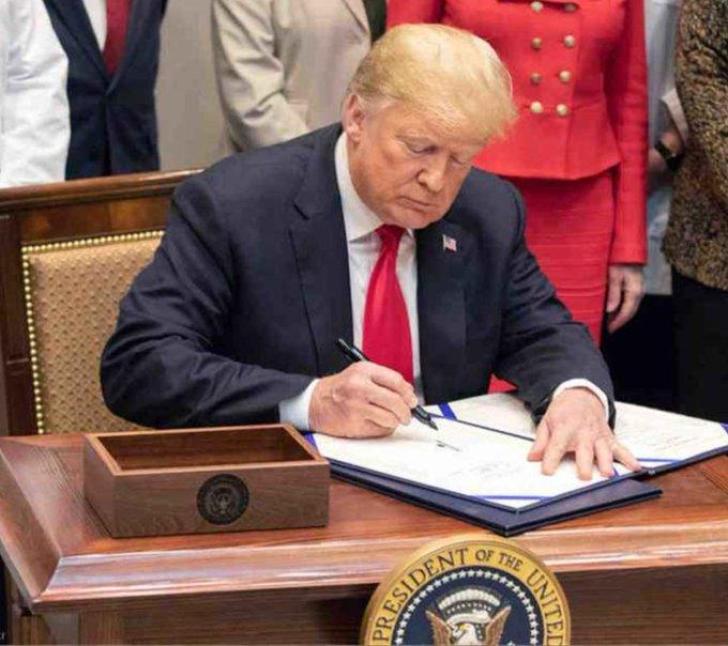
BULAWAYO - The Mthwakazi Republic Party (MRP) has accused Southern African Development Community (SADC) member states of poor coordination and fake allegiance, saying this has prolonged peace negotiations between the Democratic Republic of Congo (DRC) government and M23 rebels, creating space for United States intervention under President Donald Trump.
MRP leader Mqondisi Moyo said the recent US‑brokered ceasefire in the DRC exposed the collapse of African leadership and the inability of regional institutions to resolve crises.
"Africa no longer resolves its own crises because its leaders no longer have the moral capacity, political will, or strategic discipline to do so. Conflicts must reach catastrophic levels before foreign powers intervene, and when they do, African leaders readily surrender their responsibility and authority," Moyo said.
He argued that the African Union (AU), SADC and neighbouring states such as South Africa, Zimbabwe, Uganda and Tanzania had the capacity to act early but failed due to competing national interests and commercial ambitions over Congo's mineral wealth.
"This moral failure created the vacuum that the United States stepped into, with fragmented military deployment designed to secure interests, not peace," Moyo said.
He added that Washington's intervention was driven by strategic interests in cobalt and coltan supply chains and in countering Chinese, Russian and European influence in the Great Lakes region.
Moyo said the DRC crisis demonstrated how instability can be monetised, with leaders protecting illicit networks instead of civilians. He drew parallels with Mthwakazi, where he said silence and inaction by African institutions had allowed state‑sponsored violence and systemic injustice to persist.
"This is why Mthwakazi's grievances have been sidelined for decades, categorised as domestic issues despite their profound moral, legal and humanitarian implications. The AU and regional bodies were created to protect African people, resolve disputes and uphold justice. Yet today, they often serve a different purpose," he said.
Moyo also cited Zimbabwe's involvement in the DRC conflict in the late 1990s and early 2000s, saying UN reports documented military‑commercial networks linking Zimbabwe's political elite to Congo's mineral wealth. He alleged senior commanders and ruling‑party elites gained access to lucrative concessions in exchange for military support to the Kabila government.
He criticised South Africa's role in the conflict, pointing to operational failures and diplomatic missteps that undermined SADC's credibility.
Moyo concluded that Africa's leadership failures were pushing the continent towards a dangerous precipice.
"Today's self‑serving leadership style, marked by weak governance and the prioritisation of personal gain over continental solidarity, is gradually pushing Africa toward a modern form of recolonisation. If African leaders continue to abandon principled leadership in favour of corruption, patronage and short‑term personal gain, the continent will increasingly be shaped and controlled by external powers," he said.
He urged Africa to confront its failures, rebuild credible institutions and reclaim its agency, warning that otherwise future crises would be settled in Washington, Beijing or Brussels, for the benefit of external powers rather than African people.
MRP leader Mqondisi Moyo said the recent US‑brokered ceasefire in the DRC exposed the collapse of African leadership and the inability of regional institutions to resolve crises.
"Africa no longer resolves its own crises because its leaders no longer have the moral capacity, political will, or strategic discipline to do so. Conflicts must reach catastrophic levels before foreign powers intervene, and when they do, African leaders readily surrender their responsibility and authority," Moyo said.
He argued that the African Union (AU), SADC and neighbouring states such as South Africa, Zimbabwe, Uganda and Tanzania had the capacity to act early but failed due to competing national interests and commercial ambitions over Congo's mineral wealth.
"This moral failure created the vacuum that the United States stepped into, with fragmented military deployment designed to secure interests, not peace," Moyo said.
He added that Washington's intervention was driven by strategic interests in cobalt and coltan supply chains and in countering Chinese, Russian and European influence in the Great Lakes region.
Moyo said the DRC crisis demonstrated how instability can be monetised, with leaders protecting illicit networks instead of civilians. He drew parallels with Mthwakazi, where he said silence and inaction by African institutions had allowed state‑sponsored violence and systemic injustice to persist.
"This is why Mthwakazi's grievances have been sidelined for decades, categorised as domestic issues despite their profound moral, legal and humanitarian implications. The AU and regional bodies were created to protect African people, resolve disputes and uphold justice. Yet today, they often serve a different purpose," he said.
Moyo also cited Zimbabwe's involvement in the DRC conflict in the late 1990s and early 2000s, saying UN reports documented military‑commercial networks linking Zimbabwe's political elite to Congo's mineral wealth. He alleged senior commanders and ruling‑party elites gained access to lucrative concessions in exchange for military support to the Kabila government.
He criticised South Africa's role in the conflict, pointing to operational failures and diplomatic missteps that undermined SADC's credibility.
Moyo concluded that Africa's leadership failures were pushing the continent towards a dangerous precipice.
"Today's self‑serving leadership style, marked by weak governance and the prioritisation of personal gain over continental solidarity, is gradually pushing Africa toward a modern form of recolonisation. If African leaders continue to abandon principled leadership in favour of corruption, patronage and short‑term personal gain, the continent will increasingly be shaped and controlled by external powers," he said.
He urged Africa to confront its failures, rebuild credible institutions and reclaim its agency, warning that otherwise future crises would be settled in Washington, Beijing or Brussels, for the benefit of external powers rather than African people.
Source - Byo24News
Join the discussion
Loading comments…


