News / National
Chamisa under fire over 'No to 2050' post
10 Mar 2026 at 18:21hrs |
1531 Views
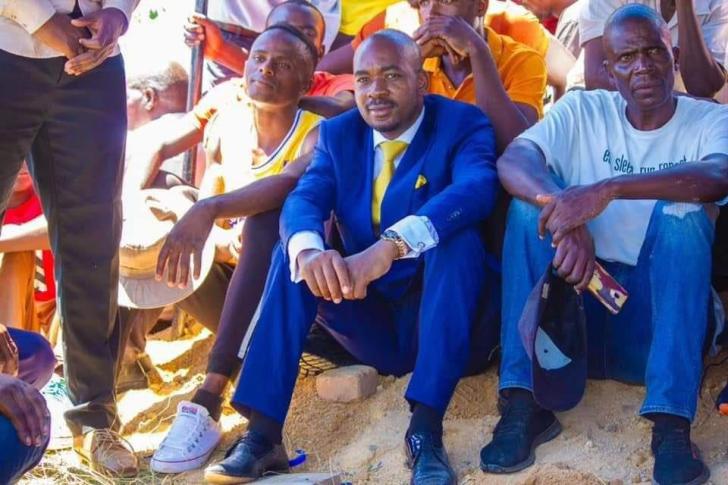
Opposition politician Nelson Chamisa is facing renewed scrutiny over his ambiguous stance on proposed constitutional amendments, with critics - including some of his former allies - accusing him of being bribed by the ruling Zanu-PF to remain silent.
The controversy comes as the government pushes for constitutional changes that critics say could extend the rule of Emmerson Mnangagwa and prolong the life of Parliament beyond the current constitutional framework.
The proposed amendments reportedly include sweeping reforms, among them scrapping direct presidential elections — a move opponents say would fundamentally undermine Zimbabwe's democratic system.
Chamisa has been noticeably less vocal about the proposed changes, prompting growing criticism from sections of the opposition and political commentators.
Debate intensified last week after Chamisa posted a brief message on the social media platform X that read: "No to 2050."
Some critics argued that by referring to 2050, Chamisa was deliberately avoiding direct opposition to Zanu-PF's controversial "2030 agenda," which seeks to extend Mnangagwa's rule beyond the end of his current constitutional term in 2028.
Among those questioning Chamisa's position was his former ally Charlton Hwende, now the legislator for Kuwadzana East and former secretary-general of the MDC Alliance. Hwende suggested in a post on X that Chamisa had been "offered a drink" to ignore Zanu-PF's manoeuvres to prolong Mnangagwa's tenure.
In an interview with The Standard, Chamisa dismissed the criticism and defended the wording of his post, saying he deliberately refused to frame his message using the ruling party's political language.
"I don't want to be boxed in by the Zanu-PF language. They invented 2030. I will not message myself around 2030," Chamisa said.
"In fact, with my reference to 2050, I was lenient. I could have put 2099.
"It is a dramatic illustration of the sinister intention. They want to turn Zimbabwe into a ruin on account of this dangerous and disastrous amendment."
Chamisa argued that the proposed constitutional changes represented a broader attempt to undermine democratic processes.
"It's a blanket ban on elections and condemnation of democracy," he said. "It's the hijacking of the nation."
He also rejected claims that his message lacked clarity for his supporters.
"Those who follow me need not be a spokesperson. They know what I am saying and they appreciate the message," Chamisa said.
"In fact they are the ones who send me to say that because they know this has disastrous consequences."
Responding to Hwende's suggestion that he had accepted bribes from Zanu-PF, Chamisa described the allegation as absurd.
"Those things are said in circumstances of intoxication. Why should I waste my time on issues of drinks?" he said.
"For the record, I bear multiple scars for standing principled, focused and consistent.
"I am not in Parliament. I have not received a loan from Zanu-PF. I don't have a farm. I have nothing that I have received from anyone except persecution, ridicule, oppression and attempted assassination."
Chamisa also said he had never privately engaged Mnangagwa since the latter assumed power in 2017.
"The only time we were at the same place was at the inaugurations in Botswana and Zambia and we didn't even meet," he said.
"Is that normal? We only meet on the ballot.
"Unless he can transfer those freebies by Bluetooth. But am I that stupid that I would go for a drink and not for a country? I don't even drink so this analogy of drinks doesn't apply to me."
Chamisa further pointed to what he described as state-backed efforts to weaken the opposition, citing the loss of party headquarters and control of parliamentary seats.
He referenced internal opposition disputes that saw control of the party and parliamentary representation shifting to figures such as Thokozani Khupe, Douglas Mwonzora and later Sengezo Tshabangu.
"Do I have the political parties' funds under the Finance Act? First, it was given to Thokozani Khupe and Douglas Mwonzora, now to Sengezo Tshabangu. Is that normal?" Chamisa asked.
"Same applies to MPs, first they were given to Mwonzora, now Tshabangu.
"I had a party. First it was given to others, now it has been given to another. Is that normal?
"I had votes, they were given to Mr Mnangagwa in 2018 and 2023. Is that normal?"
Chamisa argued that Zanu-PF's push to amend the constitution to extend Mnangagwa's tenure was itself an admission that the ruling party feared electoral defeat.
"What other message do you want to understand except that they are confirming they have always lost elections and the one they are competing against has always won?" he said.
Chamisa contested and lost to Mnangagwa in the 2018 and 2023 presidential elections — outcomes he rejected, alleging widespread electoral fraud.
"You have two people here, one who has stolen and the one from whom everything has been stolen. You don't stone the victim; you call the one who has stolen to restore the loot," he said.
However, Chamisa stressed that political change in Zimbabwe would require collective action rather than reliance on a single leader.
"People must not always look for a messiah. There is only Jesus Christ as our messiah," he said.
"None but ourselves, the citizens, looking unto God, will find a solution to our problems.
"In the liberation struggle, people did not listen to one leader. It was a collective consciousness.
"Equally now, if we are to have democratisation and transformation, no individual can ever liberate a country.
"It is all of us through collective consciousness, organising and mobilisation."
The controversy comes as the government pushes for constitutional changes that critics say could extend the rule of Emmerson Mnangagwa and prolong the life of Parliament beyond the current constitutional framework.
The proposed amendments reportedly include sweeping reforms, among them scrapping direct presidential elections — a move opponents say would fundamentally undermine Zimbabwe's democratic system.
Chamisa has been noticeably less vocal about the proposed changes, prompting growing criticism from sections of the opposition and political commentators.
Debate intensified last week after Chamisa posted a brief message on the social media platform X that read: "No to 2050."
Some critics argued that by referring to 2050, Chamisa was deliberately avoiding direct opposition to Zanu-PF's controversial "2030 agenda," which seeks to extend Mnangagwa's rule beyond the end of his current constitutional term in 2028.
Among those questioning Chamisa's position was his former ally Charlton Hwende, now the legislator for Kuwadzana East and former secretary-general of the MDC Alliance. Hwende suggested in a post on X that Chamisa had been "offered a drink" to ignore Zanu-PF's manoeuvres to prolong Mnangagwa's tenure.
In an interview with The Standard, Chamisa dismissed the criticism and defended the wording of his post, saying he deliberately refused to frame his message using the ruling party's political language.
"I don't want to be boxed in by the Zanu-PF language. They invented 2030. I will not message myself around 2030," Chamisa said.
"In fact, with my reference to 2050, I was lenient. I could have put 2099.
"It is a dramatic illustration of the sinister intention. They want to turn Zimbabwe into a ruin on account of this dangerous and disastrous amendment."
Chamisa argued that the proposed constitutional changes represented a broader attempt to undermine democratic processes.
"It's a blanket ban on elections and condemnation of democracy," he said. "It's the hijacking of the nation."
He also rejected claims that his message lacked clarity for his supporters.
"Those who follow me need not be a spokesperson. They know what I am saying and they appreciate the message," Chamisa said.
"In fact they are the ones who send me to say that because they know this has disastrous consequences."
Responding to Hwende's suggestion that he had accepted bribes from Zanu-PF, Chamisa described the allegation as absurd.
"Those things are said in circumstances of intoxication. Why should I waste my time on issues of drinks?" he said.
"For the record, I bear multiple scars for standing principled, focused and consistent.
"I am not in Parliament. I have not received a loan from Zanu-PF. I don't have a farm. I have nothing that I have received from anyone except persecution, ridicule, oppression and attempted assassination."
Chamisa also said he had never privately engaged Mnangagwa since the latter assumed power in 2017.
"The only time we were at the same place was at the inaugurations in Botswana and Zambia and we didn't even meet," he said.
"Is that normal? We only meet on the ballot.
"Unless he can transfer those freebies by Bluetooth. But am I that stupid that I would go for a drink and not for a country? I don't even drink so this analogy of drinks doesn't apply to me."
Chamisa further pointed to what he described as state-backed efforts to weaken the opposition, citing the loss of party headquarters and control of parliamentary seats.
He referenced internal opposition disputes that saw control of the party and parliamentary representation shifting to figures such as Thokozani Khupe, Douglas Mwonzora and later Sengezo Tshabangu.
"Do I have the political parties' funds under the Finance Act? First, it was given to Thokozani Khupe and Douglas Mwonzora, now to Sengezo Tshabangu. Is that normal?" Chamisa asked.
"Same applies to MPs, first they were given to Mwonzora, now Tshabangu.
"I had a party. First it was given to others, now it has been given to another. Is that normal?
"I had votes, they were given to Mr Mnangagwa in 2018 and 2023. Is that normal?"
Chamisa argued that Zanu-PF's push to amend the constitution to extend Mnangagwa's tenure was itself an admission that the ruling party feared electoral defeat.
"What other message do you want to understand except that they are confirming they have always lost elections and the one they are competing against has always won?" he said.
Chamisa contested and lost to Mnangagwa in the 2018 and 2023 presidential elections — outcomes he rejected, alleging widespread electoral fraud.
"You have two people here, one who has stolen and the one from whom everything has been stolen. You don't stone the victim; you call the one who has stolen to restore the loot," he said.
However, Chamisa stressed that political change in Zimbabwe would require collective action rather than reliance on a single leader.
"People must not always look for a messiah. There is only Jesus Christ as our messiah," he said.
"None but ourselves, the citizens, looking unto God, will find a solution to our problems.
"In the liberation struggle, people did not listen to one leader. It was a collective consciousness.
"Equally now, if we are to have democratisation and transformation, no individual can ever liberate a country.
"It is all of us through collective consciousness, organising and mobilisation."
Source - The Standard
Join the discussion
Loading comments…





