News / National
Kariba levels rise - but power crisis far from over
11 Mar 2026 at 06:41hrs |
0 Views
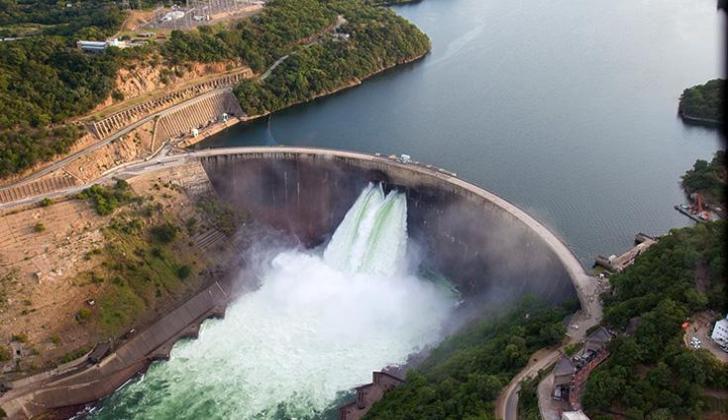
Water levels at Lake Kariba have recorded a slight but steady increase, offering cautious optimism for electricity generation in Zimbabwe and Zambia as the 2025/2026 rainy season draws to a close.
In its latest update released on Tuesday, the Zambezi River Authority (ZRA) said the lake level had risen to 477.74 metres, compared to 476.93 metres recorded during the same period last year.
Although the increase signals some improvement in inflows, the authority noted that the water level remains significantly lower than the 481.09 metres recorded during the strong rainfall year of 2019.
The lake's usable live storage volume, a critical indicator for hydropower production, has also improved. According to the ZRA, the storage has climbed to 10.08 billion cubic metres (BCM) from 6.39 BCM recorded in 2025.
This translates to 15.57% usable live storage for power generation, a modest rise from 9.87% last year but still well below the 39.99% achieved in 2019 when water levels were substantially higher.
ZRA said the incremental rise in water levels reflects stability rather than a full recovery, attributing the improvement to rainfall received around the lake and within its wider catchment area.
"The current increase indicates stabilisation of the lake levels supported by inflows from the ongoing rainy season," the authority noted, while cautioning that the reservoir is still far from optimal levels for sustained electricity generation.
The Kariba Dam, which operates within a design range of 475.50 metres to 488.50 metres, remains within its functional limits. However, relatively low storage levels continue to pose challenges for the region's power supply.
Lake Kariba, shared by Zimbabwe and Zambia, is the world's largest man-made reservoir and a crucial source of hydropower for both countries.
In recent years, prolonged droughts across the region have significantly reduced water inflows into the lake, forcing authorities to scale down electricity generation. The situation has triggered frequent power outages and load shedding, placing additional pressure on businesses, households and the broader economy.
Energy analysts say sustained rainfall across the Zambezi River basin will be required in the coming seasons for the reservoir to recover to levels that can fully support the region's growing electricity demand.
In its latest update released on Tuesday, the Zambezi River Authority (ZRA) said the lake level had risen to 477.74 metres, compared to 476.93 metres recorded during the same period last year.
Although the increase signals some improvement in inflows, the authority noted that the water level remains significantly lower than the 481.09 metres recorded during the strong rainfall year of 2019.
The lake's usable live storage volume, a critical indicator for hydropower production, has also improved. According to the ZRA, the storage has climbed to 10.08 billion cubic metres (BCM) from 6.39 BCM recorded in 2025.
This translates to 15.57% usable live storage for power generation, a modest rise from 9.87% last year but still well below the 39.99% achieved in 2019 when water levels were substantially higher.
"The current increase indicates stabilisation of the lake levels supported by inflows from the ongoing rainy season," the authority noted, while cautioning that the reservoir is still far from optimal levels for sustained electricity generation.
The Kariba Dam, which operates within a design range of 475.50 metres to 488.50 metres, remains within its functional limits. However, relatively low storage levels continue to pose challenges for the region's power supply.
Lake Kariba, shared by Zimbabwe and Zambia, is the world's largest man-made reservoir and a crucial source of hydropower for both countries.
In recent years, prolonged droughts across the region have significantly reduced water inflows into the lake, forcing authorities to scale down electricity generation. The situation has triggered frequent power outages and load shedding, placing additional pressure on businesses, households and the broader economy.
Energy analysts say sustained rainfall across the Zambezi River basin will be required in the coming seasons for the reservoir to recover to levels that can fully support the region's growing electricity demand.
Source - Pindula
Join the discussion
Loading comments…


