News / Local
No stray cattle will be destroyed
13 Feb 2026 at 18:53hrs |
0 Views
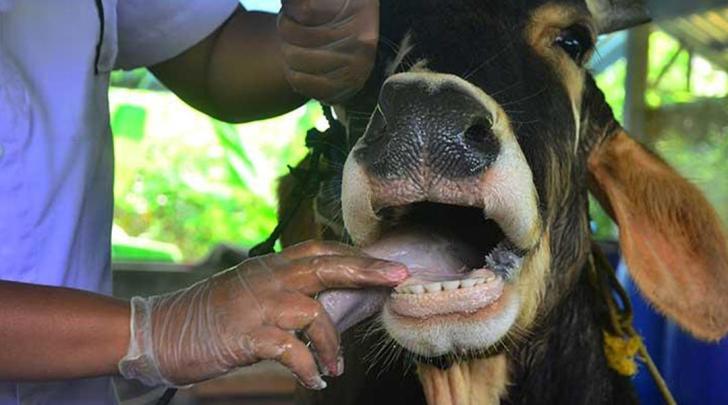
Government has assured Zimbabweans that no stray cattle will be killed either locally or in neighbouring Botswana, as authorities intensify efforts to prevent the spread of Foot and Mouth Disease (FMD) in the region.
The reassurance follows reports of FMD outbreaks in Botswana and heightened surveillance along Zimbabwe's borders.
Permanent Secretary in the Ministry of Lands, Agriculture, Fisheries, Water and Rural Development, Professor Obert Jiri, said Zimbabwe and Botswana have a standing agreement on the management of stray livestock.
"We do have a Memorandum of Understanding with Botswana to ensure that stray cattle along our borders are taken care of," he said.
"When our cattle stray to Botswana, they are kept there, and vice versa. Of course, we isolate them, and during that quarantine period, they are assessed for diseases like FMD."
Prof Jiri stressed that under the arrangement, no cattle will be destroyed for simply crossing the border.
"No cattle will be destroyed by crossing any border, nor are they transferred back to the country," he said, adding that both countries regularly engage on how best to manage quarantined livestock.
FMD, a highly contagious viral disease affecting cloven-hoofed animals such as cattle, goats, sheep and pigs, poses serious economic risks, particularly to beef exports. The disease has also been reported in several provinces of South Africa, raising regional concern.
Chief director of the Department of Veterinary Services, Dr Pious Makaya, said authorities have intensified surveillance along the borders with Botswana and South Africa.
"The Zimbabwean Directorate of Veterinary Services remains vigilant and intensifies FMD surveillance along the South African and Botswana borders, strengthening movement controls and awareness campaigns," he said.
Wild buffalo are known reservoirs of the virus in Southern Africa and can transmit it to domestic livestock, increasing the risk of outbreaks in farming communities.
To reduce exposure, the Department of Veterinary Services has placed the country on high alert, strengthened movement controls and continued preventive vaccination programmes in affected and high-risk areas.
Dr Makaya urged farmers to comply strictly with animal health regulations and ensure their cattle are dipped regularly as part of broader disease control measures.
FMD is characterised by painful blisters and lesions in affected animals, which can lead to severe weight loss, reduced productivity and, in extreme cases, death.
Authorities say safeguarding Zimbabwe's growing national herd and protecting export markets depends on sustained vigilance, cross-border cooperation and strict adherence to animal health protocols.
The reassurance follows reports of FMD outbreaks in Botswana and heightened surveillance along Zimbabwe's borders.
Permanent Secretary in the Ministry of Lands, Agriculture, Fisheries, Water and Rural Development, Professor Obert Jiri, said Zimbabwe and Botswana have a standing agreement on the management of stray livestock.
"We do have a Memorandum of Understanding with Botswana to ensure that stray cattle along our borders are taken care of," he said.
"When our cattle stray to Botswana, they are kept there, and vice versa. Of course, we isolate them, and during that quarantine period, they are assessed for diseases like FMD."
Prof Jiri stressed that under the arrangement, no cattle will be destroyed for simply crossing the border.
"No cattle will be destroyed by crossing any border, nor are they transferred back to the country," he said, adding that both countries regularly engage on how best to manage quarantined livestock.
FMD, a highly contagious viral disease affecting cloven-hoofed animals such as cattle, goats, sheep and pigs, poses serious economic risks, particularly to beef exports. The disease has also been reported in several provinces of South Africa, raising regional concern.
Chief director of the Department of Veterinary Services, Dr Pious Makaya, said authorities have intensified surveillance along the borders with Botswana and South Africa.
"The Zimbabwean Directorate of Veterinary Services remains vigilant and intensifies FMD surveillance along the South African and Botswana borders, strengthening movement controls and awareness campaigns," he said.
Wild buffalo are known reservoirs of the virus in Southern Africa and can transmit it to domestic livestock, increasing the risk of outbreaks in farming communities.
To reduce exposure, the Department of Veterinary Services has placed the country on high alert, strengthened movement controls and continued preventive vaccination programmes in affected and high-risk areas.
Dr Makaya urged farmers to comply strictly with animal health regulations and ensure their cattle are dipped regularly as part of broader disease control measures.
FMD is characterised by painful blisters and lesions in affected animals, which can lead to severe weight loss, reduced productivity and, in extreme cases, death.
Authorities say safeguarding Zimbabwe's growing national herd and protecting export markets depends on sustained vigilance, cross-border cooperation and strict adherence to animal health protocols.
Source - The Herald
Join the discussion
Loading comments…





