News / Local
Zimbabwe faces critical skills shortage
2 hrs ago |
82 Views
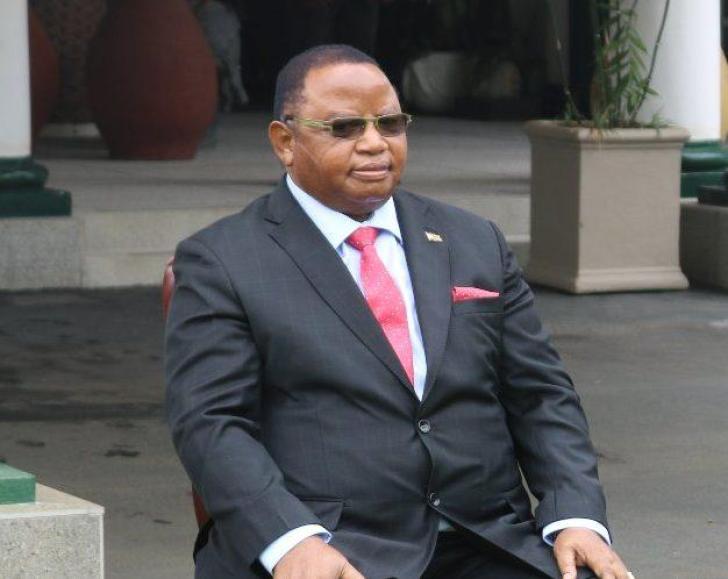
Zimbabwe's skills base stands at 38.25%, leaving a 61.75% gap in critical areas needed to drive economic growth and industrial development, Higher and Tertiary Education Minister Frederick Shava has said.
Speaking at the High-Level Ministerial and Parliamentary Roundtable of Africa Skills Week 2026 in Harare, which began on Monday, Shava said the findings of the country's 2018 national critical skills audit highlighted significant shortages in key sectors.
The audit, described by Shava as Zimbabwe's first comprehensive assessment of its kind in 34 years, found shortages of about 94% in engineering and technology and 97% in natural and applied sciences.
It also revealed a mismatch between the skills produced by universities and technical and vocational education and training (TVET) institutions and those required by employers.
"These findings were not a verdict of failure. They were a mandate for transformation," Shava said.
"The audit exposed a fundamental disconnect between what our institutions were teaching and what our industries needed."
He said the Zimbabwe Manpower Development Fund (ZIMDEF) had invested US$50 million in TVET over the past 18 months, including support for apprenticeship programmes.
ZIMDEF collects a 1% training levy from registered employers and uses the funds to finance apprenticeships, equip tertiary institutions, develop infrastructure and provide rebates to businesses investing in workforce training.
However, Shava acknowledged that challenges remained, including fragmented coordination among institutions, incomplete labour market information systems and difficulties in ensuring that graduates acquire skills relevant to the changing economy.
He also highlighted the limited contribution of the informal sector to training financing, despite its role as the main source of employment for many Zimbabweans.
"The informal sector which employs the majority of Zimbabweans remains largely outside the levy net, limiting our ability to finance training at scale," he said.
Shava said Zimbabwe was responding through its Heritage-Based Education 5.0 model, which adds innovation and industrialisation to the traditional higher education functions of teaching, research and community service.
He cited Nyadire Teachers College as an example of the model in practice, saying the institution had established eight entrepreneurial business units that provide an additional revenue stream while creating employment opportunities in surrounding communities.
The college has also introduced TVET programmes offering national certificates in professional cookery, bakery and food preparation.
On policy reforms, Shava said Cabinet had approved a national TVET policy designed to harmonise coordination across 10 ministries. He also pointed to the Zimbabwe National Qualifications Framework, which links basic education, vocational training and higher education.
He said competency-based training was strengthening the relationship between education institutions and industry by involving business representatives in curriculum development and assessment, while the National Manpower Advisory Council develops occupational standards.
Zimbabwe hopes Africa Skills Week 2026 will produce a preliminary Harare call to action to guide skills development across the continent.
Shava said African countries should assess the effectiveness of their skills systems by their contribution to economic development and employment rather than simply counting qualifications awarded.
"By the value created, the industries built, and the dignified work generated," he said.
Speaking at the High-Level Ministerial and Parliamentary Roundtable of Africa Skills Week 2026 in Harare, which began on Monday, Shava said the findings of the country's 2018 national critical skills audit highlighted significant shortages in key sectors.
The audit, described by Shava as Zimbabwe's first comprehensive assessment of its kind in 34 years, found shortages of about 94% in engineering and technology and 97% in natural and applied sciences.
It also revealed a mismatch between the skills produced by universities and technical and vocational education and training (TVET) institutions and those required by employers.
"These findings were not a verdict of failure. They were a mandate for transformation," Shava said.
"The audit exposed a fundamental disconnect between what our institutions were teaching and what our industries needed."
He said the Zimbabwe Manpower Development Fund (ZIMDEF) had invested US$50 million in TVET over the past 18 months, including support for apprenticeship programmes.
ZIMDEF collects a 1% training levy from registered employers and uses the funds to finance apprenticeships, equip tertiary institutions, develop infrastructure and provide rebates to businesses investing in workforce training.
However, Shava acknowledged that challenges remained, including fragmented coordination among institutions, incomplete labour market information systems and difficulties in ensuring that graduates acquire skills relevant to the changing economy.
"The informal sector which employs the majority of Zimbabweans remains largely outside the levy net, limiting our ability to finance training at scale," he said.
Shava said Zimbabwe was responding through its Heritage-Based Education 5.0 model, which adds innovation and industrialisation to the traditional higher education functions of teaching, research and community service.
He cited Nyadire Teachers College as an example of the model in practice, saying the institution had established eight entrepreneurial business units that provide an additional revenue stream while creating employment opportunities in surrounding communities.
The college has also introduced TVET programmes offering national certificates in professional cookery, bakery and food preparation.
On policy reforms, Shava said Cabinet had approved a national TVET policy designed to harmonise coordination across 10 ministries. He also pointed to the Zimbabwe National Qualifications Framework, which links basic education, vocational training and higher education.
He said competency-based training was strengthening the relationship between education institutions and industry by involving business representatives in curriculum development and assessment, while the National Manpower Advisory Council develops occupational standards.
Zimbabwe hopes Africa Skills Week 2026 will produce a preliminary Harare call to action to guide skills development across the continent.
Shava said African countries should assess the effectiveness of their skills systems by their contribution to economic development and employment rather than simply counting qualifications awarded.
"By the value created, the industries built, and the dignified work generated," he said.
Source - Newsday
Join the discussion
Loading comments…