News / National
ZiG annual inflation falls sharply to 19%
02 Dec 2025 at 13:28hrs |
0 Views
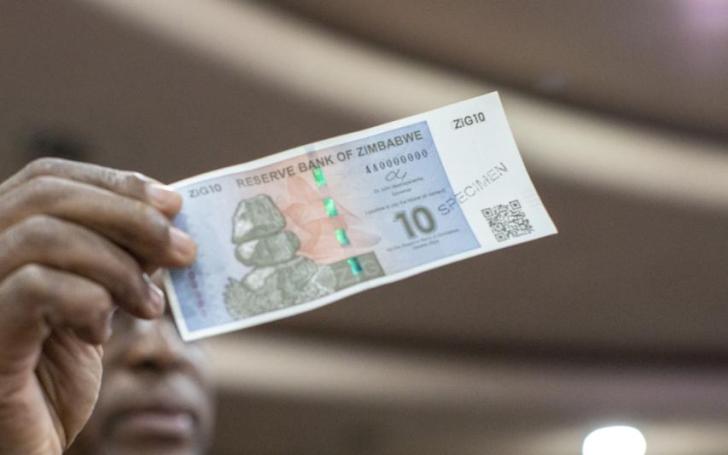
Zimbabwe's local currency annual inflation rate dropped sharply to 19% in November 2025, down from 32,7% in October, according to newly released data from the Zimbabwe National Statistics Agency (ZimStat). In contrast, inflation measured in US dollars remained elevated at 13,1%, highlighting the ongoing divergence between the two currencies.
The ZiG Consumer Price Index (CPI) indicates that prices in local currency terms increased by an average of 19% over the year from November 2024 to November 2025. Economists caution, however, that the decline is largely driven by exchange-rate stability and statistical effects rather than a genuine reduction in the cost of goods and services.
ZimStat reported that the month-on-month ZiG inflation rate for November was 0,2%, rising from -0,4% in October. Food and non-alcoholic beverages recorded a month-on-month inflation of 0,7%, unchanged from October, while non-food inflation stood at 0%, up from -0,9% the previous month.
By comparison, US dollar month-on-month inflation remained subdued at 0,2%, stable for food and non-alcoholic beverages, and slightly down for non-food items. The US dollar annual inflation rate rose marginally from 13% in October to 13,1% in November, reflecting continued price pressures for goods and services transacted in the greenback.
Economists warn that tight central bank control of the ZiG exchange rate, while temporarily suppressing local-currency inflation, risks creating deeper economic distortions. By maintaining an artificially stable rate, authorities may mask underlying price pressures, widen the gap with parallel market rates, and encourage arbitrage as foreign currency becomes scarce.
"While the headline ZiG inflation appears encouraging, these measures can undermine confidence in monetary policy, disrupt investment planning, and potentially trigger sharper corrections once the exchange rate is no longer defended," said one analyst.
Observers are now looking to the 2026 National Budget and the National Development Strategy 2 for policy guidance on addressing these structural challenges and ensuring sustainable price and currency stability.
The ZiG Consumer Price Index (CPI) indicates that prices in local currency terms increased by an average of 19% over the year from November 2024 to November 2025. Economists caution, however, that the decline is largely driven by exchange-rate stability and statistical effects rather than a genuine reduction in the cost of goods and services.
ZimStat reported that the month-on-month ZiG inflation rate for November was 0,2%, rising from -0,4% in October. Food and non-alcoholic beverages recorded a month-on-month inflation of 0,7%, unchanged from October, while non-food inflation stood at 0%, up from -0,9% the previous month.
Economists warn that tight central bank control of the ZiG exchange rate, while temporarily suppressing local-currency inflation, risks creating deeper economic distortions. By maintaining an artificially stable rate, authorities may mask underlying price pressures, widen the gap with parallel market rates, and encourage arbitrage as foreign currency becomes scarce.
"While the headline ZiG inflation appears encouraging, these measures can undermine confidence in monetary policy, disrupt investment planning, and potentially trigger sharper corrections once the exchange rate is no longer defended," said one analyst.
Observers are now looking to the 2026 National Budget and the National Development Strategy 2 for policy guidance on addressing these structural challenges and ensuring sustainable price and currency stability.
Source - Newsday
Join the discussion
Loading comments…





