News / National
Masiyiwa is right: genuine wealth is not carried in wads of cash
02 Dec 2025 at 17:26hrs |
0 Views
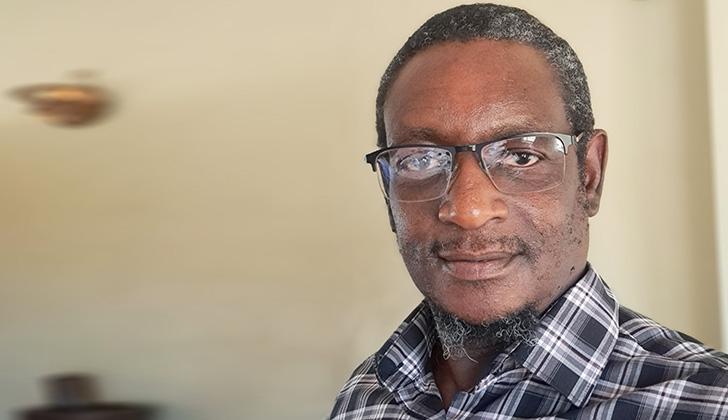
Real billionaires do not keep their wealth in piles of cash, whether in bank accounts or stashed under their beds.
Yet, of late, I have been coming across social media posts in Zimbabwe attempting to ridicule billionaire Strive Masiyiwa after he advised young Africans against flashy living.
To directly receive articles from Tendai Ruben Mbofana, please join his WhatsApp Channel on: https://whatsapp.com/channel/0029VaqprWCIyPtRnKpkHe08
Some of these reactions reveal more about the ignorance and insecurity of their authors than any flaw in Masiyiwa's message.
His comments were interpreted-particularly by defenders of Zimbabwe's notorious "Zvigananda" or self-styled "mbinga"-as an attack on their extravagant lifestyles.
These are individuals whose supposed wealth is flaunted through fleets of luxury cars, mountains of designer labels, opulent parties, and public displays of gifting cars and cash as if they were sweets.
Their behaviour has long raised questions about the real source of their riches.
In a country where legitimate businesspeople rarely throw money around, these prodigal characters behave as though they draw from a fountain that never runs dry.
That alone should make all of us suspicious.
It is an open secret that many of these "mbinga" sustain their flamboyance through opaque and often corrupt dealings-particularly underhand public procurement contracts where they receive large sums of money upfront, sometimes even in cash.
That is precisely why they are always armed with wads of tightly-wrapped US dollar notes, ready to perform their wealth for cameras and crowds.
Yet when Masiyiwa, the founder of Econet Wireless, a man listed among Africa's richest, spoke about the difference between genuine and manufactured wealth, some voices in Zimbabwe rushed to mock him.
They asked, sarcastically: "Is he suggesting billionaires leave their money rotting in bank accounts?"
That question alone exposes the hollowness and ignorance of those trying to discredit him.
Anyone who believes a billionaire keeps their wealth as cash in a bank account clearly does not understand what it means to be wealthy.
Worse still, such thinking inadvertently exposes the Zvigananda themselves.
They are the ones whose so-called wealth is maintained in bundles of cash-not in assets, investments, or productive enterprises.
That is the first sign they are not genuinely wealthy.
They merely have access to liquid money, usually from questionable sources, and their entire identity depends on flashing it before it disappears.
To understand what Masiyiwa meant, we must revisit what real wealth actually is.
When someone is called a billionaire, it does not mean they have a billion dollars in cash sitting in a bank vault.
It means the total value of their assets-shares in companies, privately-owned businesses, real estate, investments, intellectual property, and other capital-adds up to that amount.
Real billionaires own things that grow, generate income, or increase in value.
Their money is working.
It is building companies, financing innovation, employing thousands, contributing to national development.
It is not sitting idle or being recklessly splashed on luxuries meant to impress strangers.
This is why Masiyiwa's life anecdotes resonate so deeply.
He narrated how he visited a billionaire family that built a global diamond empire, only to find them living in the simplest way possible-no diamond-encrusted watches, no designer labels, no ostentatious meals.
Their wealth was reflected in what they owned, not what they wore.
In another story, he recalled a globally renowned business leader whose assistant bought him a fresh shirt from a supermarket minutes before an event.
That man, one of the world's richest, cared so little for branded extravagance that he dressed like any ordinary citizen.
These stories are not romantic exaggerations; they reflect how genuine wealth operates.
People building generational empires do not waste time competing with small-time tenderpreneurs on who owns the loudest car exhaust or the most blinding wristwatch.
Those pushing back against Masiyiwa entirely missed the point.
If someone keeps unusually large amounts of money as cash-whether in their home safe or bank account-that is a red flag.
Cash does not grow.
It just sits there, losing value to inflation.
Why then would a supposedly wise and wealthy person hoard it, unless their income source makes it difficult or dangerous to deposit or invest it?
If the nature of their "business" results in constant cash payouts, particularly in ill-governed procurement deals, then of course they will be forever pictured with stacks of notes.
And that alone demands investigation.
In a nation ravaged by corruption, it is not unreasonable to ask how someone who produces nothing, employs no one, manufactures nothing, and owns no significant assets can still carry a suitcase of money like a travelling bank.
When we contrast this with Masiyiwa's own story, the difference is night and day.
He does not throw money around not because he lacks cash.
He certainly has enough to live comfortably with his family for generations.
But his wealth is planted in ventures that are continually expanding, innovating, and multiplying its value.
His money is not lying idle; it is building Africa's largest telecoms infrastructure, supporting technologies across multiple countries, financing renewable energy projects, and employing tens of thousands.
That is what real wealth looks like.
It is stable, structured, diversified, and future-oriented.
It does not need to be flaunted because it speaks for itself.
What future, then, are these Zvigananda building for their descendants?
Their "wealth" is not wealth at all; it is merely transient cash privilege tied to political favour and access to public tenders.
Unlike real billionaires, who have multiple income-generating assets, the so-called mbinga are one cancelled tender away from poverty.
Remove the feeding trough, and their entire empire collapses overnight.
This is why they are obsessed with performing wealth-they are afraid of being forgotten the moment the money dries up.
It is time Zimbabweans stopped confusing flashy consumption with genuine prosperity.
The nation has been conditioned to celebrate people who burn money instead of building it.
We glorify those who show off what they have today instead of those planting for tomorrow.
Real wealth is not loud.
It does not need bodyguards with guns to escort a donation or film every act of generosity.
It is quiet, purposeful, and rooted in long-term vision.
Masiyiwa's message was not an insult; it was a truth that Zimbabwe desperately needs to hear.
The youth are being misled into believing success is measured by how loudly one spends.
Yet the real billionaires they claim to emulate are the complete opposite.
If anything, those who attacked Masiyiwa revealed their own insecurity-and, ironically, confirmed his point.
Zimbabwe must learn to distinguish between legitimate wealth and criminal enrichment, between builders and looters, between visionaries and opportunists.
The mbinga culture is not a symbol of success; it is a symptom of a decaying moral fabric and a corrupt economic system.
We need fewer cash-spraying performers and more nation-building investors.
Real billionaires, like Masiyiwa, are not obsessed with impressing crowds; they are focused on building legacies.
And that is the lesson our nation urgently needs.
© Tendai Ruben Mbofana is a social justice advocate and writer. Please feel free to WhatsApp or Call: +263715667700 | +263782283975, or email: mbofana.tendairuben73@gmail.com, or visit website: https://mbofanatendairuben.news.blog/
Yet, of late, I have been coming across social media posts in Zimbabwe attempting to ridicule billionaire Strive Masiyiwa after he advised young Africans against flashy living.
To directly receive articles from Tendai Ruben Mbofana, please join his WhatsApp Channel on: https://whatsapp.com/channel/0029VaqprWCIyPtRnKpkHe08
Some of these reactions reveal more about the ignorance and insecurity of their authors than any flaw in Masiyiwa's message.
His comments were interpreted-particularly by defenders of Zimbabwe's notorious "Zvigananda" or self-styled "mbinga"-as an attack on their extravagant lifestyles.
These are individuals whose supposed wealth is flaunted through fleets of luxury cars, mountains of designer labels, opulent parties, and public displays of gifting cars and cash as if they were sweets.
Their behaviour has long raised questions about the real source of their riches.
In a country where legitimate businesspeople rarely throw money around, these prodigal characters behave as though they draw from a fountain that never runs dry.
That alone should make all of us suspicious.
It is an open secret that many of these "mbinga" sustain their flamboyance through opaque and often corrupt dealings-particularly underhand public procurement contracts where they receive large sums of money upfront, sometimes even in cash.
That is precisely why they are always armed with wads of tightly-wrapped US dollar notes, ready to perform their wealth for cameras and crowds.
Yet when Masiyiwa, the founder of Econet Wireless, a man listed among Africa's richest, spoke about the difference between genuine and manufactured wealth, some voices in Zimbabwe rushed to mock him.
They asked, sarcastically: "Is he suggesting billionaires leave their money rotting in bank accounts?"
That question alone exposes the hollowness and ignorance of those trying to discredit him.
Anyone who believes a billionaire keeps their wealth as cash in a bank account clearly does not understand what it means to be wealthy.
Worse still, such thinking inadvertently exposes the Zvigananda themselves.
They are the ones whose so-called wealth is maintained in bundles of cash-not in assets, investments, or productive enterprises.
That is the first sign they are not genuinely wealthy.
They merely have access to liquid money, usually from questionable sources, and their entire identity depends on flashing it before it disappears.
To understand what Masiyiwa meant, we must revisit what real wealth actually is.
When someone is called a billionaire, it does not mean they have a billion dollars in cash sitting in a bank vault.
It means the total value of their assets-shares in companies, privately-owned businesses, real estate, investments, intellectual property, and other capital-adds up to that amount.
Real billionaires own things that grow, generate income, or increase in value.
Their money is working.
It is building companies, financing innovation, employing thousands, contributing to national development.
It is not sitting idle or being recklessly splashed on luxuries meant to impress strangers.
This is why Masiyiwa's life anecdotes resonate so deeply.
He narrated how he visited a billionaire family that built a global diamond empire, only to find them living in the simplest way possible-no diamond-encrusted watches, no designer labels, no ostentatious meals.
Their wealth was reflected in what they owned, not what they wore.
In another story, he recalled a globally renowned business leader whose assistant bought him a fresh shirt from a supermarket minutes before an event.
That man, one of the world's richest, cared so little for branded extravagance that he dressed like any ordinary citizen.
These stories are not romantic exaggerations; they reflect how genuine wealth operates.
People building generational empires do not waste time competing with small-time tenderpreneurs on who owns the loudest car exhaust or the most blinding wristwatch.
Those pushing back against Masiyiwa entirely missed the point.
If someone keeps unusually large amounts of money as cash-whether in their home safe or bank account-that is a red flag.
It just sits there, losing value to inflation.
Why then would a supposedly wise and wealthy person hoard it, unless their income source makes it difficult or dangerous to deposit or invest it?
If the nature of their "business" results in constant cash payouts, particularly in ill-governed procurement deals, then of course they will be forever pictured with stacks of notes.
And that alone demands investigation.
In a nation ravaged by corruption, it is not unreasonable to ask how someone who produces nothing, employs no one, manufactures nothing, and owns no significant assets can still carry a suitcase of money like a travelling bank.
When we contrast this with Masiyiwa's own story, the difference is night and day.
He does not throw money around not because he lacks cash.
He certainly has enough to live comfortably with his family for generations.
But his wealth is planted in ventures that are continually expanding, innovating, and multiplying its value.
His money is not lying idle; it is building Africa's largest telecoms infrastructure, supporting technologies across multiple countries, financing renewable energy projects, and employing tens of thousands.
That is what real wealth looks like.
It is stable, structured, diversified, and future-oriented.
It does not need to be flaunted because it speaks for itself.
What future, then, are these Zvigananda building for their descendants?
Their "wealth" is not wealth at all; it is merely transient cash privilege tied to political favour and access to public tenders.
Unlike real billionaires, who have multiple income-generating assets, the so-called mbinga are one cancelled tender away from poverty.
Remove the feeding trough, and their entire empire collapses overnight.
This is why they are obsessed with performing wealth-they are afraid of being forgotten the moment the money dries up.
It is time Zimbabweans stopped confusing flashy consumption with genuine prosperity.
The nation has been conditioned to celebrate people who burn money instead of building it.
We glorify those who show off what they have today instead of those planting for tomorrow.
Real wealth is not loud.
It does not need bodyguards with guns to escort a donation or film every act of generosity.
It is quiet, purposeful, and rooted in long-term vision.
Masiyiwa's message was not an insult; it was a truth that Zimbabwe desperately needs to hear.
The youth are being misled into believing success is measured by how loudly one spends.
Yet the real billionaires they claim to emulate are the complete opposite.
If anything, those who attacked Masiyiwa revealed their own insecurity-and, ironically, confirmed his point.
Zimbabwe must learn to distinguish between legitimate wealth and criminal enrichment, between builders and looters, between visionaries and opportunists.
The mbinga culture is not a symbol of success; it is a symptom of a decaying moral fabric and a corrupt economic system.
We need fewer cash-spraying performers and more nation-building investors.
Real billionaires, like Masiyiwa, are not obsessed with impressing crowds; they are focused on building legacies.
And that is the lesson our nation urgently needs.
© Tendai Ruben Mbofana is a social justice advocate and writer. Please feel free to WhatsApp or Call: +263715667700 | +263782283975, or email: mbofana.tendairuben73@gmail.com, or visit website: https://mbofanatendairuben.news.blog/
Source - Tendai Ruben Mbofana
Join the discussion
Loading comments…


