News / National
Zanu-PF says 2030 amendment imminent
08 Dec 2025 at 15:18hrs |
0 Views
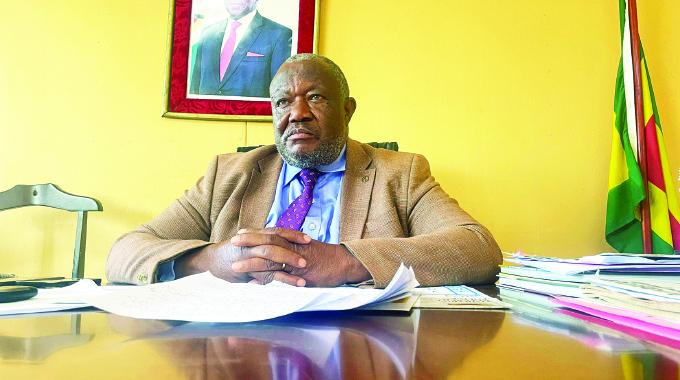
Zanu-PF says the legal process to amend Zimbabwe's Constitution and extend President Emmerson Mnangagwa's tenure beyond the 2028 two-term limit is imminent, insisting that no national referendum is required because changing the length of a presidential term does not affect term limits.
The ruling party's position is contained in a notice of opposition filed by its national political commissar, Munyaradzi Machacha, responding to a Constitutional Court application by Ibhetshu Likazulu and its leader Mbuso Fuzwayo. The applicants are seeking direct access to challenge what they believe is a concrete plan to extend Mnangagwa's rule to 2030.
Fuzwayo is the first applicant, Ibhetshu Likazulu the second. Zanu-PF is cited as the first respondent, followed by Justice Minister Ziyambi Ziyambi, Speaker of Parliament Jacob Mudenda, Attorney-General Virginia Mabiza and President Mnangagwa.
In the opposition papers, Machacha confirms that Zanu-PF intends to amend the Constitution "with a view to implement Resolution 1 of 2024". He emphasises that while the intention exists, no draft amendment bill has yet been introduced, and insists the move is lawful. He argues that all democratic constitutions provide for amendment, citing the United States and South African constitutions as examples.
Machacha says Zimbabwe's amendment procedure - anchored in Sections 328 and 131 - is deliberately rigorous, involving a 90-day gazette notice, public consultations, submissions from citizens, and the requirement for two-thirds majorities in both Houses of Parliament before the President can assent. He describes this as "a parliamentary and technical odyssey, not a partisan skirmish in the political gutter," adding that the debate should focus on whether the process is followed correctly rather than on the existence of an intention to amend.
He rejects claims that Zanu-PF seeks to undermine the Constitution, insisting the party is "law-abiding" and would only pursue amendments in accordance with established procedures. Machacha argues that Zimbabwe's multi-party system allows a governing party with the necessary majority to propose constitutional reforms when it deems them necessary.
The commissar criticises the applicants' assertion that changing the presidential tenure requires a referendum, calling their position "puzzling" and unsupported by Section 328. Zanu-PF maintains that only changes to the term-limit clause - Section 91(2) - would trigger a referendum, whereas amendments to the term length provisions in Sections 95(2)(b) and 143(1) fall under Section 328(5), which does not involve a national vote.
Machacha defends Zanu-PF's 2024 Resolution, saying it is rooted in concerns about governance stability in Africa. He argues that short four- and five-year terms have left countries trapped in "perpetual election modes", encouraging populism, policy paralysis, corruption, disputed polls and societal polarisation. He says there is a growing continental push for seven-year presidential and parliamentary terms to give governments "breathing space" to deliver development and deal with poverty, hunger, disease and institutional fragility.
He further explains that Zanu-PF's Resolution 1 of 2024 - reaffirmed at the party's 2025 conference in Mutare - seeks to align Zimbabwe with this trend by allowing Mnangagwa to remain in office until 2030. He claims such reforms are possible without amending Section 328 or holding a referendum because they target term length rather than term limits.
Machacha also raises several preliminary objections. He argues that the application by Fuzwayo and Ibhetshu Likazulu is "abstract" and "speculative" because no amendment bill has been formally introduced, leaving the court without concrete details to adjudicate. He says the application is procedurally defective for failing to address prospects of success or whether the matter can proceed without oral evidence. He criticises the applicants for framing their filing like heads of argument, filled with legal citations and references to judicial dicta - commentary by judges that is not binding but merely persuasive.
As a result, Zanu-PF says the application should be struck off the Constitutional Court roll, arguing it is premature and has not met the legal thresholds required for direct access to the country's highest court.
The ruling party's position is contained in a notice of opposition filed by its national political commissar, Munyaradzi Machacha, responding to a Constitutional Court application by Ibhetshu Likazulu and its leader Mbuso Fuzwayo. The applicants are seeking direct access to challenge what they believe is a concrete plan to extend Mnangagwa's rule to 2030.
Fuzwayo is the first applicant, Ibhetshu Likazulu the second. Zanu-PF is cited as the first respondent, followed by Justice Minister Ziyambi Ziyambi, Speaker of Parliament Jacob Mudenda, Attorney-General Virginia Mabiza and President Mnangagwa.
In the opposition papers, Machacha confirms that Zanu-PF intends to amend the Constitution "with a view to implement Resolution 1 of 2024". He emphasises that while the intention exists, no draft amendment bill has yet been introduced, and insists the move is lawful. He argues that all democratic constitutions provide for amendment, citing the United States and South African constitutions as examples.
Machacha says Zimbabwe's amendment procedure - anchored in Sections 328 and 131 - is deliberately rigorous, involving a 90-day gazette notice, public consultations, submissions from citizens, and the requirement for two-thirds majorities in both Houses of Parliament before the President can assent. He describes this as "a parliamentary and technical odyssey, not a partisan skirmish in the political gutter," adding that the debate should focus on whether the process is followed correctly rather than on the existence of an intention to amend.
He rejects claims that Zanu-PF seeks to undermine the Constitution, insisting the party is "law-abiding" and would only pursue amendments in accordance with established procedures. Machacha argues that Zimbabwe's multi-party system allows a governing party with the necessary majority to propose constitutional reforms when it deems them necessary.
The commissar criticises the applicants' assertion that changing the presidential tenure requires a referendum, calling their position "puzzling" and unsupported by Section 328. Zanu-PF maintains that only changes to the term-limit clause - Section 91(2) - would trigger a referendum, whereas amendments to the term length provisions in Sections 95(2)(b) and 143(1) fall under Section 328(5), which does not involve a national vote.
Machacha defends Zanu-PF's 2024 Resolution, saying it is rooted in concerns about governance stability in Africa. He argues that short four- and five-year terms have left countries trapped in "perpetual election modes", encouraging populism, policy paralysis, corruption, disputed polls and societal polarisation. He says there is a growing continental push for seven-year presidential and parliamentary terms to give governments "breathing space" to deliver development and deal with poverty, hunger, disease and institutional fragility.
He further explains that Zanu-PF's Resolution 1 of 2024 - reaffirmed at the party's 2025 conference in Mutare - seeks to align Zimbabwe with this trend by allowing Mnangagwa to remain in office until 2030. He claims such reforms are possible without amending Section 328 or holding a referendum because they target term length rather than term limits.
Machacha also raises several preliminary objections. He argues that the application by Fuzwayo and Ibhetshu Likazulu is "abstract" and "speculative" because no amendment bill has been formally introduced, leaving the court without concrete details to adjudicate. He says the application is procedurally defective for failing to address prospects of success or whether the matter can proceed without oral evidence. He criticises the applicants for framing their filing like heads of argument, filled with legal citations and references to judicial dicta - commentary by judges that is not binding but merely persuasive.
As a result, Zanu-PF says the application should be struck off the Constitutional Court roll, arguing it is premature and has not met the legal thresholds required for direct access to the country's highest court.
Source - online
Join the discussion
Loading comments…


