News / National
ZACC did not clear Chivhayo - it cleared itself of responsibility
10 Dec 2025 at 22:37hrs |
0 Views
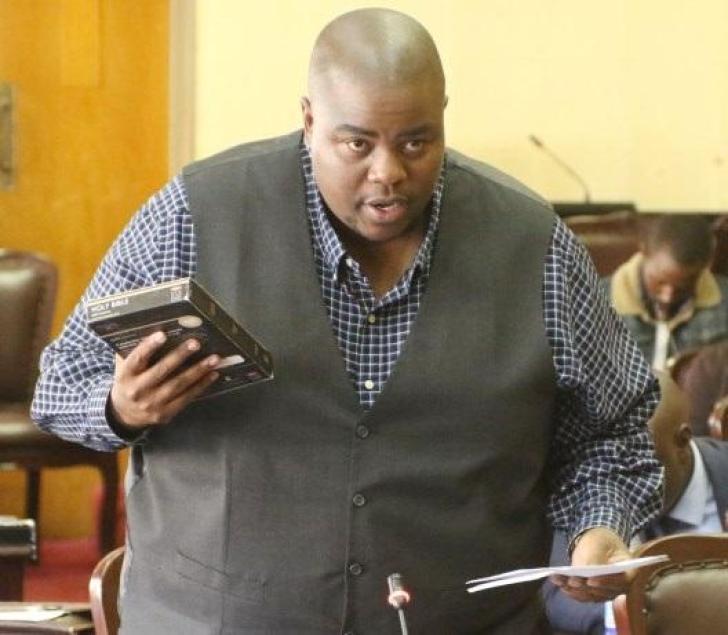
At times, it is difficult to believe that Zimbabwe still aspires to be taken seriously as a nation.
The recent statement by Zimbabwe Anti-Corruption Commission, as articulated by its chairperson Michael Reza, claiming that it has found no evidence linking tenderpreneur Wicknell Chivhayo to alleged corruption involving the Zimbabwe Electoral Commission is not just disappointing.
To directly receive articles from Tendai Ruben Mbofana, please join his WhatsApp Channel on: https://whatsapp.com/channel/0029VaqprWCIyPtRnKpkHe08
It is disturbing, dangerous, and revealing.
Not because the Commission has definitively proven Chivhayo's innocence, but because it has openly demonstrated how hollow, toothless, and compromised our anti-corruption architecture has become.
At the heart of this saga is a remarkably offensive logic: that corruption does not exist unless there is a visible, signed contract linking a politically exposed individual directly to a state institution.
When ZEC says it has no contract, and Chivhayo says he has no contract, ZACC appears to treat that as the end of the matter.
In effect, the watchdog has allowed the suspects to become its most credible witnesses.
That is not investigation.
That is surrender.
In any serious anti-corruption system, denials by those under suspicion are merely the starting point.
They are tested, interrogated, and challenged using forensic tools - bank records, beneficial ownership registers, payment authorisations, email communications, procurement trails, company registries, and cross-border cooperation.
Here, however, we are told that because the suspects have "disowned” the relationships, ZACC has "nothing to go by.”
This is not the language of an investigator.
It is the language of an institution looking for an exit.
What makes this position even more troubling is the casual dismissal of the financial trail that ignited public outrage.
Reports from South Africa indicated that a Johannesburg-based printing company, Ren‑Form CC, contracted for the 2023 Zimbabwean elections, received over R1.1 billion from Zimbabwe's Treasury.
Alarmingly, more than R800 million of these funds reportedly flowed into bank accounts linked to Wicknell Chivhayo.
The matter drew the attention of the South African Financial Intelligence Centre (FIC), which flagged the transactions for further scrutiny, prompting referrals to both the South African Police Service (SAPS) and the South African Revenue Service (SARS) to commence formal investigations.
This cross-border financial trail was serious enough to trigger regional concern and public scrutiny.
This was not bar-room gossip.
For the Commission to now shrug and say there is "no evidence” is either professional incompetence or deliberate blindfolding.
Perhaps the most dangerous element of the ZACC statement is Chairperson Reza's apparent belief that "a contract is the document that links two people to a business transaction.”
Anyone who understands how grand corruption works knows how false this is.
High-level corruption is specifically structured to avoid formal contracts between politically connected individuals and government institutions.
That is why intermediaries exist.
That is why shell companies are created.
That is why relatives, associates and fronts are used.
By insisting on a visible contract as the threshold for action, ZACC has effectively issued a public manual on how to steal with impunity: avoid signing documents.
This is not a limitation of law.
It is a failure of imagination and courage.
Worse still is the Commission's selective approach to credibility.
It dismisses allegations from Mike Chimombe and Moses Mpofu on the basis that their claims are "unsubstantiated,” yet it treats the untested denials of ZEC and Chivhayo as credible enough to terminate meaningful inquiry.
Since when do anti-corruption bodies adopt a standard where whistleblowers must produce court-ready evidence, while the powerful need only issue a denial?
This is not neutrality.
It is bias dressed up as professionalism.
The broader context makes the Commission's position even harder to defend.
Chivhayo's ostentatious public displays of wealth, his extravagant giveaways, and his proximity to powerful political actors have long fuelled legitimate public interest questions.
In a serious institutional setup, this would trigger enhanced scrutiny, not institutional retreat.
ZACC's job is not to protect reputations of elites.
It is to interrogate the sources of unexplained wealth, using lifestyle audits, tax compliance reviews, and asset tracing.
Instead, we are told that in the absence of a paper contract, suspicion itself becomes illegitimate.
What we are witnessing is not the clearing of a suspect.
It is the quiet collapse of an institution.
An anti-corruption body that cannot trace money, cannot cooperate with foreign investigators, cannot pierce corporate veils, and cannot challenge the denials of the powerful is not an anti-corruption body.
It is an ornament.
It exists to give citizens the illusion of oversight while carefully avoiding confrontation with real power.
This moment matters far beyond the name Chivhayo.
If this becomes the standard - no contract, no case - then politically connected looters now have a template to loot safely.
They will route money through friends, shell firms, and foreign subcontractors, confident that unless they personally sign a piece of paper, Zimbabwe's anti-corruption agency will declare itself powerless.
That is the true scandal.
ZACC has not exonerated anyone in the moral sense.
It has merely exposed how low the bar of accountability has sunk.
It has shown citizens that even when financial smoke rises from across borders, even when serious questions are raised, the system is designed not to seek the truth but to manage public anger.
In the end, this episode is not about whether Wicknell Chivhayo is guilty or innocent.
It is about whether Zimbabwe is serious about corruption.
And right now, the answer from its own anti-corruption body appears to be painfully clear: only on paper, never in practice.
© Tendai Ruben Mbofana is a social justice advocate and writer. Please feel free to WhatsApp or Call: +263715667700 | +263782283975, or email: mbofana.tendairuben73@gmail.com, or visit website https://mbofanatendairuben.news.blog/
The recent statement by Zimbabwe Anti-Corruption Commission, as articulated by its chairperson Michael Reza, claiming that it has found no evidence linking tenderpreneur Wicknell Chivhayo to alleged corruption involving the Zimbabwe Electoral Commission is not just disappointing.
To directly receive articles from Tendai Ruben Mbofana, please join his WhatsApp Channel on: https://whatsapp.com/channel/0029VaqprWCIyPtRnKpkHe08
It is disturbing, dangerous, and revealing.
Not because the Commission has definitively proven Chivhayo's innocence, but because it has openly demonstrated how hollow, toothless, and compromised our anti-corruption architecture has become.
At the heart of this saga is a remarkably offensive logic: that corruption does not exist unless there is a visible, signed contract linking a politically exposed individual directly to a state institution.
When ZEC says it has no contract, and Chivhayo says he has no contract, ZACC appears to treat that as the end of the matter.
In effect, the watchdog has allowed the suspects to become its most credible witnesses.
That is not investigation.
That is surrender.
In any serious anti-corruption system, denials by those under suspicion are merely the starting point.
They are tested, interrogated, and challenged using forensic tools - bank records, beneficial ownership registers, payment authorisations, email communications, procurement trails, company registries, and cross-border cooperation.
Here, however, we are told that because the suspects have "disowned” the relationships, ZACC has "nothing to go by.”
This is not the language of an investigator.
It is the language of an institution looking for an exit.
What makes this position even more troubling is the casual dismissal of the financial trail that ignited public outrage.
Reports from South Africa indicated that a Johannesburg-based printing company, Ren‑Form CC, contracted for the 2023 Zimbabwean elections, received over R1.1 billion from Zimbabwe's Treasury.
Alarmingly, more than R800 million of these funds reportedly flowed into bank accounts linked to Wicknell Chivhayo.
The matter drew the attention of the South African Financial Intelligence Centre (FIC), which flagged the transactions for further scrutiny, prompting referrals to both the South African Police Service (SAPS) and the South African Revenue Service (SARS) to commence formal investigations.
This cross-border financial trail was serious enough to trigger regional concern and public scrutiny.
This was not bar-room gossip.
For the Commission to now shrug and say there is "no evidence” is either professional incompetence or deliberate blindfolding.
Perhaps the most dangerous element of the ZACC statement is Chairperson Reza's apparent belief that "a contract is the document that links two people to a business transaction.”
Anyone who understands how grand corruption works knows how false this is.
High-level corruption is specifically structured to avoid formal contracts between politically connected individuals and government institutions.
That is why intermediaries exist.
That is why shell companies are created.
That is why relatives, associates and fronts are used.
By insisting on a visible contract as the threshold for action, ZACC has effectively issued a public manual on how to steal with impunity: avoid signing documents.
This is not a limitation of law.
It is a failure of imagination and courage.
Worse still is the Commission's selective approach to credibility.
It dismisses allegations from Mike Chimombe and Moses Mpofu on the basis that their claims are "unsubstantiated,” yet it treats the untested denials of ZEC and Chivhayo as credible enough to terminate meaningful inquiry.
Since when do anti-corruption bodies adopt a standard where whistleblowers must produce court-ready evidence, while the powerful need only issue a denial?
This is not neutrality.
It is bias dressed up as professionalism.
The broader context makes the Commission's position even harder to defend.
Chivhayo's ostentatious public displays of wealth, his extravagant giveaways, and his proximity to powerful political actors have long fuelled legitimate public interest questions.
In a serious institutional setup, this would trigger enhanced scrutiny, not institutional retreat.
ZACC's job is not to protect reputations of elites.
It is to interrogate the sources of unexplained wealth, using lifestyle audits, tax compliance reviews, and asset tracing.
Instead, we are told that in the absence of a paper contract, suspicion itself becomes illegitimate.
What we are witnessing is not the clearing of a suspect.
It is the quiet collapse of an institution.
An anti-corruption body that cannot trace money, cannot cooperate with foreign investigators, cannot pierce corporate veils, and cannot challenge the denials of the powerful is not an anti-corruption body.
It is an ornament.
It exists to give citizens the illusion of oversight while carefully avoiding confrontation with real power.
This moment matters far beyond the name Chivhayo.
If this becomes the standard - no contract, no case - then politically connected looters now have a template to loot safely.
They will route money through friends, shell firms, and foreign subcontractors, confident that unless they personally sign a piece of paper, Zimbabwe's anti-corruption agency will declare itself powerless.
That is the true scandal.
ZACC has not exonerated anyone in the moral sense.
It has merely exposed how low the bar of accountability has sunk.
It has shown citizens that even when financial smoke rises from across borders, even when serious questions are raised, the system is designed not to seek the truth but to manage public anger.
In the end, this episode is not about whether Wicknell Chivhayo is guilty or innocent.
It is about whether Zimbabwe is serious about corruption.
And right now, the answer from its own anti-corruption body appears to be painfully clear: only on paper, never in practice.
© Tendai Ruben Mbofana is a social justice advocate and writer. Please feel free to WhatsApp or Call: +263715667700 | +263782283975, or email: mbofana.tendairuben73@gmail.com, or visit website https://mbofanatendairuben.news.blog/
Source - Tendai Ruben Mbofana
Join the discussion
Loading comments…


