News / National
Fierce backlash over Mnangagwa's 2030 agenda
14 Dec 2025 at 08:38hrs |
0 Views
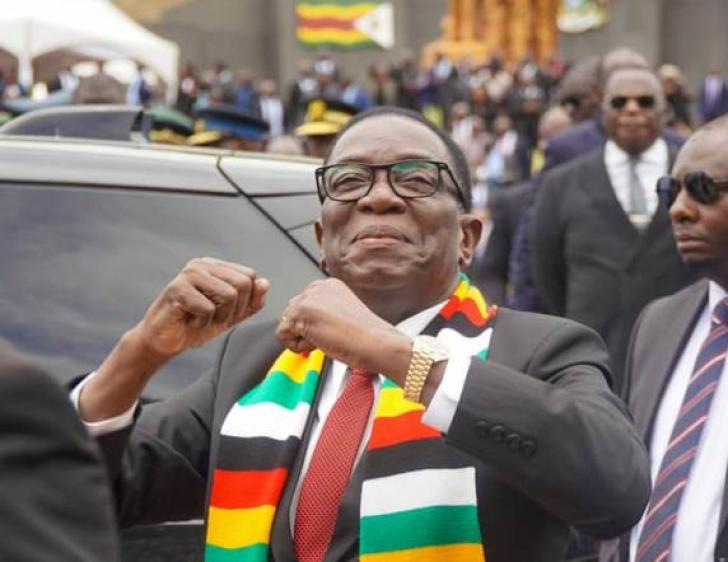
A fierce public backlash against Zanu-PF's proposed extension of President Emmerson Mnangagwa's term to 2030 dominated a community meeting in Bulawayo last week, where angry residents openly confronted the ruling party's candidate ahead of the December 20 Nkulumané by-election.
The parliamentary seat fell vacant following the death of opposition legislator Desire Moyo in a car accident. His widow, Esther Zitha, is contesting the poll as an independent candidate alongside eight other aspirants.
What was meant to be a routine "Meet Your Candidates" debate at Nkulumané Hall last Wednesday instead turned into a charged forum for residents to voice strong resistance to Zanu-PF's 2030 agenda, which seeks to extend Mnangagwa's presidency beyond its constitutional expiry in 2028.
The debate was organised by the Centre for Innovation and Technology in partnership with the Bulawayo Progressive Residents Association, the Elections Resources Centre and the Nkulumané Constituency Development Committee. It was intended to allow voters to assess candidates ahead of the by-election, but quickly became a platform for what many attendees described as a defence of the constitution.
The controversial proposal stems from a Zanu-PF resolution adopted in 2025, which party officials claim was informed by grassroots consultations calling for Mnangagwa to be granted an additional two years to complete ongoing government programmes. Critics argue the move is a thinly veiled attempt to amend presidential term limits and delay elections.
Tensions flared when a resident, Sheila Mujakachi, stood up and directly challenged Zanu-PF candidate Freedom Murechu, accusing the ruling party of attempting to "mutilate" the constitution.
"Zanu-PF is pushing for the 2030 agenda so it continues in power, yet the constitution says a term is five years," Mujakachi said, holding up a copy of the constitution. "You are oppressing us. We don't want the 2030 agenda, we want elections in 2028. This is my bible. I am shaking with anger. Let me defend the constitution."
In a later interview, Mujakachi said Zimbabweans should not surrender hard-won constitutional protections.
"The constitution must not be mangled and mutilated because Zanu-PF wants to rule beyond 2028," she said. "After every five years we have to vote. What will they achieve in two years that they failed to do in 10? We are saying no to the 2030 agenda."
Murechu defended the proposal, insisting it was a party resolution rather than a personal ambition of the president, and said Parliament would ultimately decide its fate.
"Parties come up with resolutions," he said. "If the party agrees, the resolution goes to Parliament and MPs will vote. If they don't like it, it will hit a bump. That is democracy."
He maintained that the idea was driven by grassroots consultations. "It's not the president who said he wants to extend his term. It's the party, after consultations with grassroots structures," Murechu said. "Anyone who disagrees has a constitutional right to challenge the issue."
His remarks were met with murmurs of disapproval from the audience, with several residents questioning whether a Parliament dominated by Zanu-PF would realistically block a ruling party resolution.
The debate also exposed sharp differences over the constitutional role of Members of Parliament. Independent candidate Rodney Jele stressed that MPs were duty-bound to represent citizens rather than party interests.
"Section 119 is clear — an MP represents the people, makes laws and monitors government performance," Jele said. "Accountability is at the centre of Parliament."
Another independent candidate, Mbuso Fuzwayo, said his decision to approach the Constitutional Court was aimed at stopping what he described as an unlawful attempt to extend Mnangagwa's tenure.
"The role of an MP is to protect the constitution," Fuzwayo said. "Zanu-PF wants to extend the president's term to 2030 but we must follow what the constitution says."
MDC-T candidate Ethel Sibanda also rejected the proposal, citing worsening socio-economic conditions. "I am saying no to 2030 because look at how we are living," she said. "The economy is bad. Young people are dying from drugs. What will have changed by then?"
Meanwhile, a draft constitutional amendment to extend Mnangagwa's tenure is expected to be gazetted before the end of the year by Justice Minister Ziyambi Ziyambi. Zanu-PF has indicated it intends to avoid a referendum in implementing the 2030 resolution, a position disputed by constitutional experts who argue that any amendment extending a sitting president's term would require approval through a national referendum.
The parliamentary seat fell vacant following the death of opposition legislator Desire Moyo in a car accident. His widow, Esther Zitha, is contesting the poll as an independent candidate alongside eight other aspirants.
What was meant to be a routine "Meet Your Candidates" debate at Nkulumané Hall last Wednesday instead turned into a charged forum for residents to voice strong resistance to Zanu-PF's 2030 agenda, which seeks to extend Mnangagwa's presidency beyond its constitutional expiry in 2028.
The debate was organised by the Centre for Innovation and Technology in partnership with the Bulawayo Progressive Residents Association, the Elections Resources Centre and the Nkulumané Constituency Development Committee. It was intended to allow voters to assess candidates ahead of the by-election, but quickly became a platform for what many attendees described as a defence of the constitution.
The controversial proposal stems from a Zanu-PF resolution adopted in 2025, which party officials claim was informed by grassroots consultations calling for Mnangagwa to be granted an additional two years to complete ongoing government programmes. Critics argue the move is a thinly veiled attempt to amend presidential term limits and delay elections.
Tensions flared when a resident, Sheila Mujakachi, stood up and directly challenged Zanu-PF candidate Freedom Murechu, accusing the ruling party of attempting to "mutilate" the constitution.
"Zanu-PF is pushing for the 2030 agenda so it continues in power, yet the constitution says a term is five years," Mujakachi said, holding up a copy of the constitution. "You are oppressing us. We don't want the 2030 agenda, we want elections in 2028. This is my bible. I am shaking with anger. Let me defend the constitution."
In a later interview, Mujakachi said Zimbabweans should not surrender hard-won constitutional protections.
"The constitution must not be mangled and mutilated because Zanu-PF wants to rule beyond 2028," she said. "After every five years we have to vote. What will they achieve in two years that they failed to do in 10? We are saying no to the 2030 agenda."
"Parties come up with resolutions," he said. "If the party agrees, the resolution goes to Parliament and MPs will vote. If they don't like it, it will hit a bump. That is democracy."
He maintained that the idea was driven by grassroots consultations. "It's not the president who said he wants to extend his term. It's the party, after consultations with grassroots structures," Murechu said. "Anyone who disagrees has a constitutional right to challenge the issue."
His remarks were met with murmurs of disapproval from the audience, with several residents questioning whether a Parliament dominated by Zanu-PF would realistically block a ruling party resolution.
The debate also exposed sharp differences over the constitutional role of Members of Parliament. Independent candidate Rodney Jele stressed that MPs were duty-bound to represent citizens rather than party interests.
"Section 119 is clear — an MP represents the people, makes laws and monitors government performance," Jele said. "Accountability is at the centre of Parliament."
Another independent candidate, Mbuso Fuzwayo, said his decision to approach the Constitutional Court was aimed at stopping what he described as an unlawful attempt to extend Mnangagwa's tenure.
"The role of an MP is to protect the constitution," Fuzwayo said. "Zanu-PF wants to extend the president's term to 2030 but we must follow what the constitution says."
MDC-T candidate Ethel Sibanda also rejected the proposal, citing worsening socio-economic conditions. "I am saying no to 2030 because look at how we are living," she said. "The economy is bad. Young people are dying from drugs. What will have changed by then?"
Meanwhile, a draft constitutional amendment to extend Mnangagwa's tenure is expected to be gazetted before the end of the year by Justice Minister Ziyambi Ziyambi. Zanu-PF has indicated it intends to avoid a referendum in implementing the 2030 resolution, a position disputed by constitutional experts who argue that any amendment extending a sitting president's term would require approval through a national referendum.
Source - The Standard
Join the discussion
Loading comments…




