News / National
Prophet Freddy makes u-turn after criminal case collapse
14 Dec 2025 at 08:38hrs |
0 Views
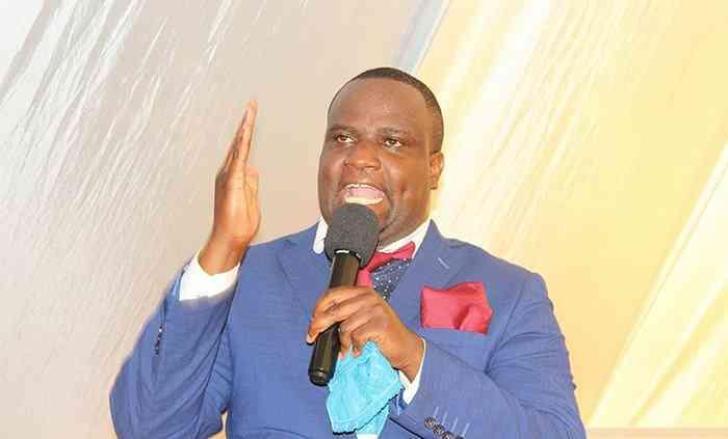
Cleric Prophet Tapiwa Freddy has escalated his long-running land dispute with Craft Properties (Pvt) Ltd to the High Court after criminal charges he initiated against the company and its founder, Kudakwashe Taruberekera, collapsed at the magistrates' court.
The dispute centres on a 4 000-square-metre stand, Plot No. 7510 Subdivision 5, Mandalay of Sabonabona Farm in Kadoma, which Freddy claims was lawfully donated to him. The matter, which has attracted sustained public attention since early this year, has now entered a new phase following the filing of a civil declaration at the High Court.
Earlier this year, Freddy reported the matter to the Zimbabwe Anti-Corruption Commission (Zacc), accusing Taruberekera and Craft Properties of corruption following the revocation of the land donation. Zacc subsequently arrested Taruberekera, with the case first appearing before the Chinhoyi Magistrates' Court on February 7, 2025.
Initially framed as fraud, the charge later shifted to theft. The matter was postponed several times and eventually transferred to the Kadoma Magistrates' Court, where it appeared repeatedly between March and July. Freddy attended court only once, when he sought a postponement.
On July 17, the State withdrew the case before plea, conceding that it lacked sufficient evidence and acknowledging that the revocation of a deed of donation does not constitute a criminal offence.
"Finally, the State withdrew the case against me and Craft Properties after failing to gather any evidence," Taruberekera said. "This matter dragged both my name and that of my company through the mud."
Despite the collapse of the criminal case, Freddy has now approached the High Court (Civil Division), seeking a declaratory order to assert ownership of the disputed land.
In his declaration filed on December 5, 2025, Freddy alleged that the property was fraudulently transferred after the donation. He claimed that all subsequent transfers — from the plaintiff to the first defendant, then to the second defendant, and later to the fourth, fifth and sixth defendants — were effected without his knowledge or consent. He further alleged that the transfers were carried out by the seventh defendant and were "predicated on an initial fraudulent act."
Freddy argued that he remains the lawful owner of the property by virtue of a valid deed of donation, contending that any subsequent transfers were null and void as they were allegedly obtained through fraud and without due process. He maintained that the purported fraudulent transfers did not divest him of ownership.
The cleric said there was a genuine and ongoing dispute over the rightful ownership of the land, giving him a direct and substantial interest in seeking a declaratory order.
In terms of Section 14 of the High Court Act [Chapter 7:06], Freddy is asking the court to declare that he is the lawful and rightful owner of Plot No. 7510 Subdivision 5, Mandalay of Sabonabona Farm, Kadoma, and that the deed of donation executed between him and Craft Properties on or about November 19, 2019, is valid, extant and binding.
He further wants all subsequent transfers registered after November 22, 2019, to be declared null and void and of no force or effect, and has asked the court to order the seventh defendant to rectify its records to reflect him as the sole registered owner.
Craft Properties has, however, disputed Freddy's claims, maintaining that the donation was lawfully revoked after he allegedly failed to meet development conditions attached to the land.
"Freddy was very much aware that we had revoked the stand," Taruberekera said. "When we revoked it, he immediately stopped paying council bills. That cannot be a coincidence."
Taruberekera also questioned why Freddy bypassed the Zimbabwe Republic Police and went directly to Zacc, suggesting the dispute was civil in nature from the outset.
"If he believed he had a genuine claim, he should have sued the company," he said. "Instead, criminal processes were used, and when those failed, the matter was moved to the High Court."
The case has reignited debate within legal circles over Zacc's mandate, particularly after it emerged that officials travelled to Freddy's Goodness and Mercy Ministries church in Glen View to record his statement, while other parties were summoned to Zacc offices in Chinhoyi.
Legal analysts have described the progression of the matter — from criminal prosecution to civil litigation — as possible forum shopping.
With the High Court having referred the dispute to trial on November 26, 2025, the matter will now be determined after evidence is led. The outcome is expected to test the boundaries between criminal law and civil remedies, as well as the legal principles governing the revocation of donations.
As the legal battle continues, the case has emerged as a cautionary tale about the use of public institutions in private disputes and the complexities surrounding land ownership, donations and property rights in Zimbabwe.
The dispute centres on a 4 000-square-metre stand, Plot No. 7510 Subdivision 5, Mandalay of Sabonabona Farm in Kadoma, which Freddy claims was lawfully donated to him. The matter, which has attracted sustained public attention since early this year, has now entered a new phase following the filing of a civil declaration at the High Court.
Earlier this year, Freddy reported the matter to the Zimbabwe Anti-Corruption Commission (Zacc), accusing Taruberekera and Craft Properties of corruption following the revocation of the land donation. Zacc subsequently arrested Taruberekera, with the case first appearing before the Chinhoyi Magistrates' Court on February 7, 2025.
Initially framed as fraud, the charge later shifted to theft. The matter was postponed several times and eventually transferred to the Kadoma Magistrates' Court, where it appeared repeatedly between March and July. Freddy attended court only once, when he sought a postponement.
On July 17, the State withdrew the case before plea, conceding that it lacked sufficient evidence and acknowledging that the revocation of a deed of donation does not constitute a criminal offence.
"Finally, the State withdrew the case against me and Craft Properties after failing to gather any evidence," Taruberekera said. "This matter dragged both my name and that of my company through the mud."
Despite the collapse of the criminal case, Freddy has now approached the High Court (Civil Division), seeking a declaratory order to assert ownership of the disputed land.
In his declaration filed on December 5, 2025, Freddy alleged that the property was fraudulently transferred after the donation. He claimed that all subsequent transfers — from the plaintiff to the first defendant, then to the second defendant, and later to the fourth, fifth and sixth defendants — were effected without his knowledge or consent. He further alleged that the transfers were carried out by the seventh defendant and were "predicated on an initial fraudulent act."
Freddy argued that he remains the lawful owner of the property by virtue of a valid deed of donation, contending that any subsequent transfers were null and void as they were allegedly obtained through fraud and without due process. He maintained that the purported fraudulent transfers did not divest him of ownership.
The cleric said there was a genuine and ongoing dispute over the rightful ownership of the land, giving him a direct and substantial interest in seeking a declaratory order.
He further wants all subsequent transfers registered after November 22, 2019, to be declared null and void and of no force or effect, and has asked the court to order the seventh defendant to rectify its records to reflect him as the sole registered owner.
Craft Properties has, however, disputed Freddy's claims, maintaining that the donation was lawfully revoked after he allegedly failed to meet development conditions attached to the land.
"Freddy was very much aware that we had revoked the stand," Taruberekera said. "When we revoked it, he immediately stopped paying council bills. That cannot be a coincidence."
Taruberekera also questioned why Freddy bypassed the Zimbabwe Republic Police and went directly to Zacc, suggesting the dispute was civil in nature from the outset.
"If he believed he had a genuine claim, he should have sued the company," he said. "Instead, criminal processes were used, and when those failed, the matter was moved to the High Court."
The case has reignited debate within legal circles over Zacc's mandate, particularly after it emerged that officials travelled to Freddy's Goodness and Mercy Ministries church in Glen View to record his statement, while other parties were summoned to Zacc offices in Chinhoyi.
Legal analysts have described the progression of the matter — from criminal prosecution to civil litigation — as possible forum shopping.
With the High Court having referred the dispute to trial on November 26, 2025, the matter will now be determined after evidence is led. The outcome is expected to test the boundaries between criminal law and civil remedies, as well as the legal principles governing the revocation of donations.
As the legal battle continues, the case has emerged as a cautionary tale about the use of public institutions in private disputes and the complexities surrounding land ownership, donations and property rights in Zimbabwe.
Source - The Standard
Join the discussion
Loading comments…


