News / National
Strong rebound in Zimbabwe business confidence for 2026
14 Dec 2025 at 08:46hrs |
1357 Views
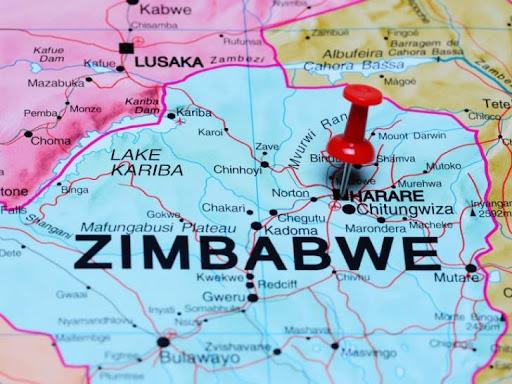
Most business executives expect operating conditions to improve in 2026, buoyed by macroeconomic stability, regulatory reforms and recovery prospects in key productive sectors, according to the Zimbabwe National Chamber of Commerce (ZNCC) 2025 Annual State of Industry and Commerce Survey.
The survey shows that business confidence was positive across almost all major sectors of the economy, with the exception of transport and storage. Agriculture, mining, manufacturing, construction and energy emerged as the main drivers of the rebound in sentiment.
The agriculture, hunting, fishing and forestry sectors recorded the strongest optimism, posting a business confidence index (BCI) of 61.3 — the highest across all sectors. ZNCC attributed this to a favourable 2024/2025 farming season characterised by improved rainfall patterns, which strengthened balance sheets for many agricultural enterprises.
Executives in the sector expect an even stronger 2025/2026 season, citing forecasts of good rains, improved access to inputs and continued stability in agricultural markets.
Mining and quarrying registered a BCI of 12.1, reflecting cautious optimism underpinned by stable global commodity prices and improvements in foreign currency availability. Manufacturing and construction followed with a combined BCI of 7.1, while electricity, gas, steam and air-conditioning supply stood at 5.4, driven largely by improved electricity availability and tariff stability.
One of the most notable turnarounds was recorded in the wholesale and retail trade sector. After posting the lowest BCI in 2024 at minus 64.6, the sector rebounded sharply to a positive 1.3 in the 2025 survey.
ZNCC said the improvement was largely driven by increased economic stability, particularly the stabilisation of the Zimbabwe Gold (ZiG) currency, which has restored pricing predictability and boosted consumer confidence. Formal retailers, who were hardest hit by exchange-rate volatility last year, now anticipate improved trading conditions in 2026.
The survey also revealed sharp differences in sentiment by enterprise size. Large firms employing more than 100 people recorded the most dramatic turnaround. Their BCI improved from a deeply pessimistic minus 47.5 in 2024 to a positive 1.7 in 2025, reflecting reduced exposure to currency volatility following stabilisation measures introduced in late 2024 and early 2025.
Medium-sized enterprises recorded a modest improvement from 13.6 to 14.1, while small firms saw their confidence decline from 38.1 to 6.29, although still remaining in positive territory.
Overall, ZNCC said both small and large firms expect 2026 to outperform 2025, largely due to restored exchange-rate predictability and easing inflationary pressures.
Presenting the survey findings, economist Dr Moses Chundu said respondents across sectors consistently cited macroeconomic stability, stable exchange rates and recent regulatory fee reforms as the main drivers of improved confidence.
"Respondents from different sectors generally cited macroeconomic stability, in particular stable exchange rates and the current regulatory fees reforms by the Government, as main factors weighing up their confidence," said Dr Chundu. "Businesses believe implementation of these reforms across all sectors is key to building business confidence."
ZNCC president Mr Christopher Mugaga urged Government to maintain policy consistency and accelerate reforms in licensing, taxation and regulatory fees, warning that confidence could quickly dissipate if reforms stalled.
"Zimbabwe's industrial revival cannot be achieved solely through policy statements," Mugaga said. "It requires predictable and transparent currency systems, stable and reliable energy, financing models that support long-term capital formation, and a tax and regulatory environment that encourages formalisation, competitiveness and innovation."
Reserve Bank of Zimbabwe Deputy Governor Dr Innocent Matshe said the central bank's current monetary policy stance would preserve exchange-rate and macroeconomic stability while supporting growth.
"The monetary policy measures are expected to anchor inflation and exchange-rate expectations and support economic growth prospects of 6.6 percent in 2025," Matshe said, adding that the stability of the ZiG had restored much-needed predictability for business planning.
ZNCC said that if current stability is sustained, 2026 could mark a period of stronger industrial recovery, improved investment appetite and more robust job creation across the economy.
The survey shows that business confidence was positive across almost all major sectors of the economy, with the exception of transport and storage. Agriculture, mining, manufacturing, construction and energy emerged as the main drivers of the rebound in sentiment.
The agriculture, hunting, fishing and forestry sectors recorded the strongest optimism, posting a business confidence index (BCI) of 61.3 — the highest across all sectors. ZNCC attributed this to a favourable 2024/2025 farming season characterised by improved rainfall patterns, which strengthened balance sheets for many agricultural enterprises.
Executives in the sector expect an even stronger 2025/2026 season, citing forecasts of good rains, improved access to inputs and continued stability in agricultural markets.
Mining and quarrying registered a BCI of 12.1, reflecting cautious optimism underpinned by stable global commodity prices and improvements in foreign currency availability. Manufacturing and construction followed with a combined BCI of 7.1, while electricity, gas, steam and air-conditioning supply stood at 5.4, driven largely by improved electricity availability and tariff stability.
One of the most notable turnarounds was recorded in the wholesale and retail trade sector. After posting the lowest BCI in 2024 at minus 64.6, the sector rebounded sharply to a positive 1.3 in the 2025 survey.
ZNCC said the improvement was largely driven by increased economic stability, particularly the stabilisation of the Zimbabwe Gold (ZiG) currency, which has restored pricing predictability and boosted consumer confidence. Formal retailers, who were hardest hit by exchange-rate volatility last year, now anticipate improved trading conditions in 2026.
The survey also revealed sharp differences in sentiment by enterprise size. Large firms employing more than 100 people recorded the most dramatic turnaround. Their BCI improved from a deeply pessimistic minus 47.5 in 2024 to a positive 1.7 in 2025, reflecting reduced exposure to currency volatility following stabilisation measures introduced in late 2024 and early 2025.
Medium-sized enterprises recorded a modest improvement from 13.6 to 14.1, while small firms saw their confidence decline from 38.1 to 6.29, although still remaining in positive territory.
Overall, ZNCC said both small and large firms expect 2026 to outperform 2025, largely due to restored exchange-rate predictability and easing inflationary pressures.
Presenting the survey findings, economist Dr Moses Chundu said respondents across sectors consistently cited macroeconomic stability, stable exchange rates and recent regulatory fee reforms as the main drivers of improved confidence.
"Respondents from different sectors generally cited macroeconomic stability, in particular stable exchange rates and the current regulatory fees reforms by the Government, as main factors weighing up their confidence," said Dr Chundu. "Businesses believe implementation of these reforms across all sectors is key to building business confidence."
ZNCC president Mr Christopher Mugaga urged Government to maintain policy consistency and accelerate reforms in licensing, taxation and regulatory fees, warning that confidence could quickly dissipate if reforms stalled.
"Zimbabwe's industrial revival cannot be achieved solely through policy statements," Mugaga said. "It requires predictable and transparent currency systems, stable and reliable energy, financing models that support long-term capital formation, and a tax and regulatory environment that encourages formalisation, competitiveness and innovation."
Reserve Bank of Zimbabwe Deputy Governor Dr Innocent Matshe said the central bank's current monetary policy stance would preserve exchange-rate and macroeconomic stability while supporting growth.
"The monetary policy measures are expected to anchor inflation and exchange-rate expectations and support economic growth prospects of 6.6 percent in 2025," Matshe said, adding that the stability of the ZiG had restored much-needed predictability for business planning.
ZNCC said that if current stability is sustained, 2026 could mark a period of stronger industrial recovery, improved investment appetite and more robust job creation across the economy.
Source - Sunday Mail
Join the discussion
Loading comments…





